Star Construction INC has painted homes across the New York area since 2018, and Eastchester’s two generations of houses ask for the full range of it: interior and exterior painting on colonials whose plaster and trim have carried a century of coats, and on capes and split-levels whose drywall rooms and mixed-material elevations need a different discipline. Our paint renovation contractors begin every job the same way: walking the rooms and elevations with you, surface by surface, before any work is quoted.
The work follows the surface, not a template. Plaster is stabilized and repaired rather than filled over; drywall seams are feathered until they disappear; exterior wood, brick and veneer are each primed for what they actually are. Exterior painting on a mixed elevation is planned as one system — the coating that protects the wood must also suit the brick beside it — so the whole elevation ages together.
Paint renovation in Eastchester means restoring painted surfaces while repairing what lies beneath them. It starts with an assessment: which layers are sound, which have failed, and what the substrate — plaster, drywall, wood, brick or veneer — needs before it can hold a new coat. Then comes the sequence: failed material taken back to sound, surfaces repaired and stabilized, primers matched to the substrate, and finish coats applied in the right conditions. A paint job done this way is not decoration over damage; it is the surface system renewed, and it lasts because the layers beneath it are sound.

If you own an Eastchester home and the paint is peeling, the plaster is cracking, or the drywall seams show through every coat, the honest next step is a walk-through, not a price over the phone. Star Construction INC has served homes across the New York area since 2018, and our paint renovation contractors in Eastchester will walk the rooms and elevations with you, show you what the surfaces need, and quote the preparation honestly. The areas we cover are on our service areas page — request a free, no-obligation estimate and we will take it from there.
Our clients value the consistency, structural precision, and long-term performance we deliver on every project, from initial planning through final execution.

 Jav V
Trustindex verifies that the original source of the review is Google.
Got my bathroom remodel Team was professional on time Thank you Ever fernando Perez saldañaCrear Word
 LUIS CAYOi hire them for my home project. and everyting went smoothly. no delays
 Shahid IqbalVery reliable contractor. They did exactly what they promised and the quality was excellent. Would definitely recommend.
Contact us now to discuss your project and receive a no-obligation quote from our experts.
Every project is handled through a defined process that ensures accuracy, efficiency, and long-term structural performance from start to finish.
We begin by reviewing site conditions, understanding project objectives, and identifying structural requirements to establish a clear and practical direction before any work begins.
A detailed execution plan is developed, including material selection, sequencing of work, and coordination of labor to maintain consistency and avoid delays during construction.
Work is carried out using proven installation methods, with attention to structural integrity, proper reinforcement, and adherence to safety and quality standards.
A final walkthrough is conducted to verify workmanship, resolve any outstanding details, and ensure the completed project meets performance expectations and durability standards.
Eastchester’s houses, from the White Plains Road corridor to the Lake Isle area, reward a painter who reads the surface before opening a can: plaster or drywall, colonial or cape, interior or elevation. The four sections below are the work Eastchester asks for most — each priced after a walk-through, each prepared properly before the color goes on.
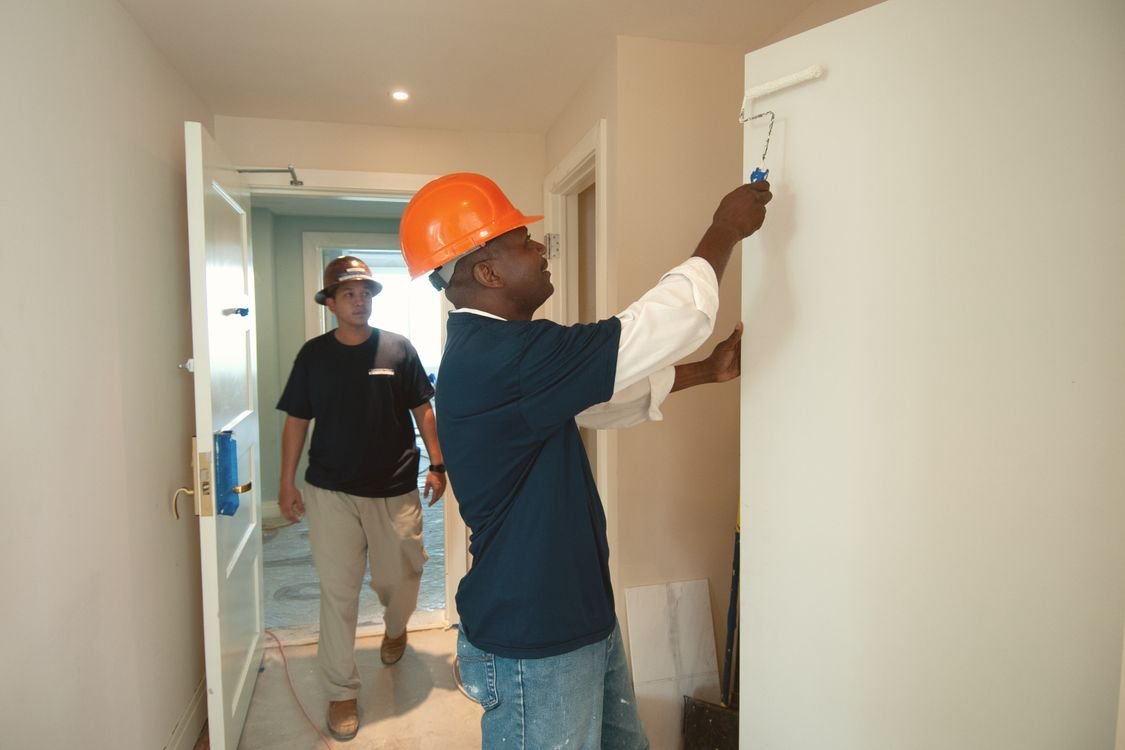
The colonials’ interiors are plaster and deep wood trim: hairline cracks that follow the seasons, trim painted often enough to have softened at the edges, ceilings that need stabilizing before they need color. The capes’ and split-levels’ interiors are drywall-era rooms: seams that telegraph through every coat, patches never properly feathered, corners that need re-taping rather than another layer. Both get the same rule: repair first, prime for the substrate, and only then paint. Where painting meets a full interior renovation, our interior renovation contractors in Eastchester plan the rooms together, so the paint is the finish of a sound room, not a cover for one.
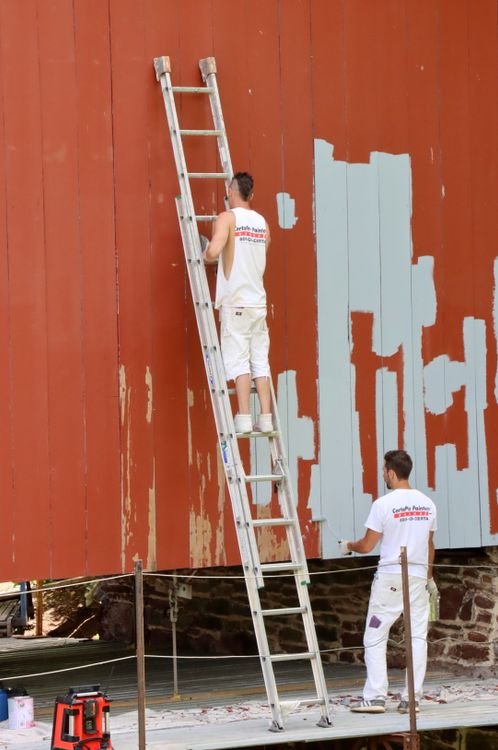
An Eastchester exterior is rarely one material: painted wood siding beside a brick front, stone veneer meeting a painted gable, trim profiles that change from elevation to elevation. Each material fails differently — wood splits and rots where water sits, brick chalks and spalls where the coating trapped moisture, veneer joints open where the sealant gave up — and each needs its own primer and its own preparation. Our exterior painting work treats the elevation as one system: the coating that protects the wood must also suit the brick beside it, so the whole front ages together instead of peeling in patches.
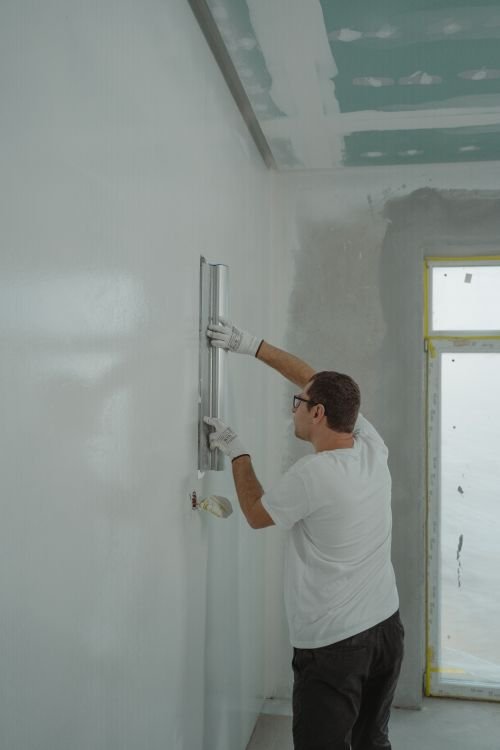
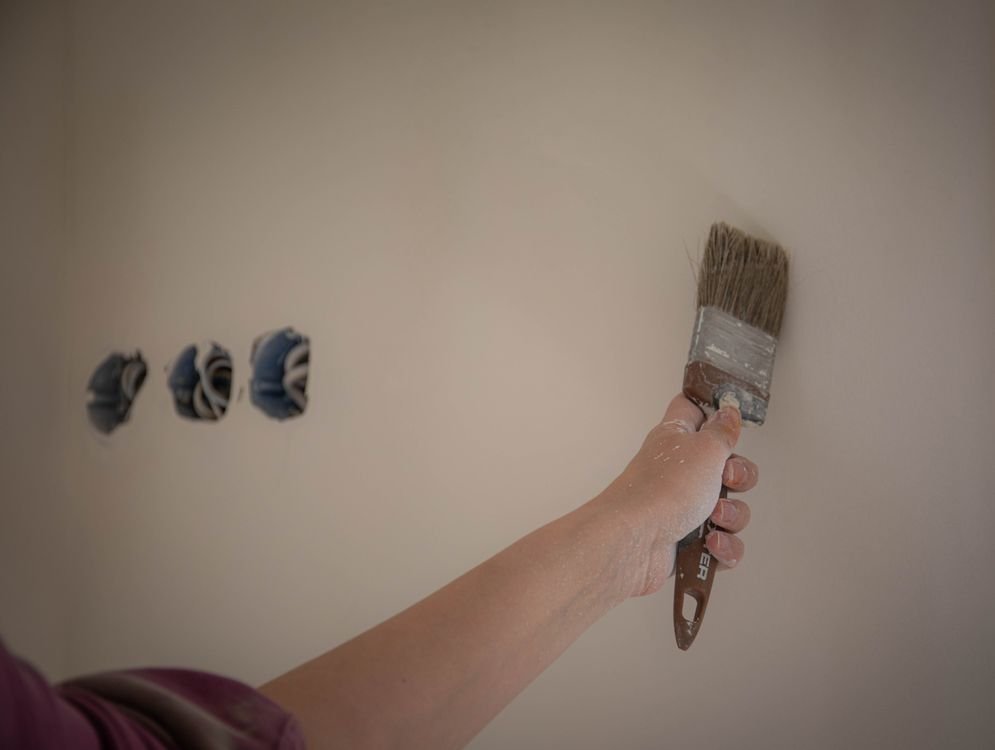
Preparation is the job; painting is the last day of it. Failed layers are taken back to sound material, not painted over. Plaster is stabilized and cracked areas are repaired; drywall seams are re-taped and feathered until they disappear under a raking light. Wood is repaired rather than filled over, and primers are chosen for hundred-year-old plaster and trim, or for drywall, as the surface requires — not for new drywall alone. The estimate should name the preparation: how much repair is included, what gets stripped, what gets primed, and what the finish coats are. A quote that prices only the paint is pricing only the last day.
Color in an Eastchester home should respect the house’s generation without freezing it in it. A colonial’s formal rooms carry deeper, traditional colors well, and its trim profiles deserve a finish that shows them rather than drowning them. A cape or split-level takes lighter, cleaner color that opens the smaller rooms and suits the simpler trim. In both cases the honest guidance is the same: test the color on the wall, in the room’s own light, before committing; a color that looks right on a card often reads differently on a full elevation. We will paint test patches and let you live with them before the job starts.
Paint in a home built before 1978 must be assumed to contain lead until testing proves otherwise. Work on such paint follows lead-safe practices under the federal renovation rule: containment, careful removal, and thorough cleaning, with testing to settle whether lead is present. If you are unsure about your home’s paint, testing comes first — it determines how the work is done. No certifications are claimed here; what matters is that the work follows the rule and the test result.
Often, yes — but paint alone does not fix a seam; preparation does. Seams that show through every coat are usually poorly taped or feathered joints, and the repair is re-taping and feathering the joint until it disappears under a raking light, then priming and painting. A coat of paint over a bad seam just makes a shinier seam. If the seam is cracking because the wall is moving, the movement needs addressing first — paint cannot hold a moving joint.
The estimate should name it, and ours does: how much plaster or drywall repair is included, what gets stripped back to sound material, and what counts as extra. Minor repairs — hairline cracks, small patches, seam feathering — are normally part of the preparation. Larger repairs, such as replastering a failed ceiling or replacing rotted trim, are priced as their own items so you can see them. If a quote does not say what repair is included, ask before work starts.
For a Westchester home, a well-prepared exterior paint job typically lasts several years, with the exact interval depending on exposure: south and west elevations weather faster, and shaded, tree-covered slopes hold moisture longer. The honest answer is condition, not calendar — when the film starts to chalk, crack or peel, the surface is telling you it is time. Repainting before the film fails protects the wood and masonry beneath it.
Cosmetic painting generally does not need a permit. In general town terms: repainting walls, trim and elevations in place is cosmetic work and usually needs no approval. Work that changes the structure, the footprint or a regulated feature is different — but a painting project rarely does. If your job includes repairs beyond painting, such as replacing rotted trim or structural elements, we will tell you before work starts whether the town needs to be involved.