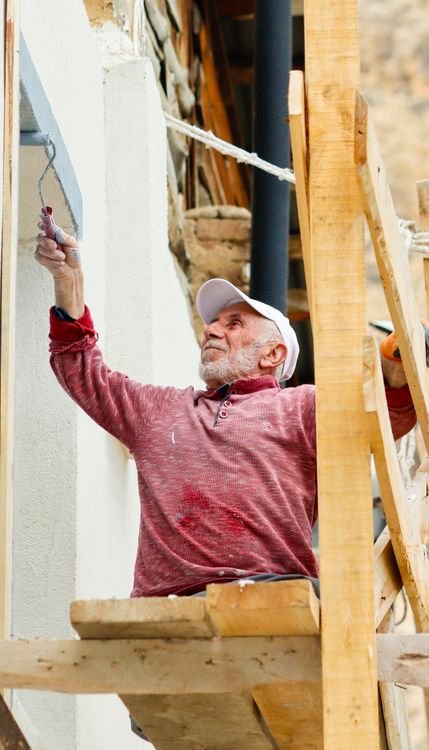
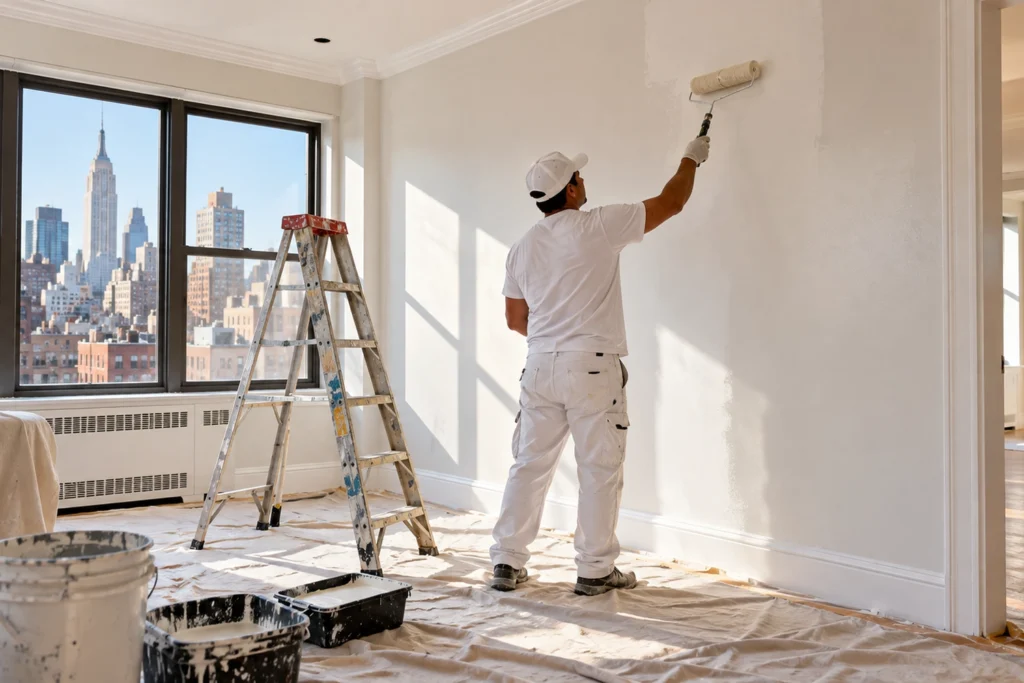
In a Harlem interior, the wall you are painting is rarely the wall you think it is. A brownstone parlour wears layers of history: original lime plaster, decades of patching, hairline cracks over every doorway and window where the building has settled and breathed. Paint laid over that history without preparation shows every fault within a season — the hairlines reopen, the old repairs ghost through, the finish peels where the plaster beneath it was never sound. That is why our paint renovation and general contractors in New York treat preparation as the job itself, not the prelude to it.
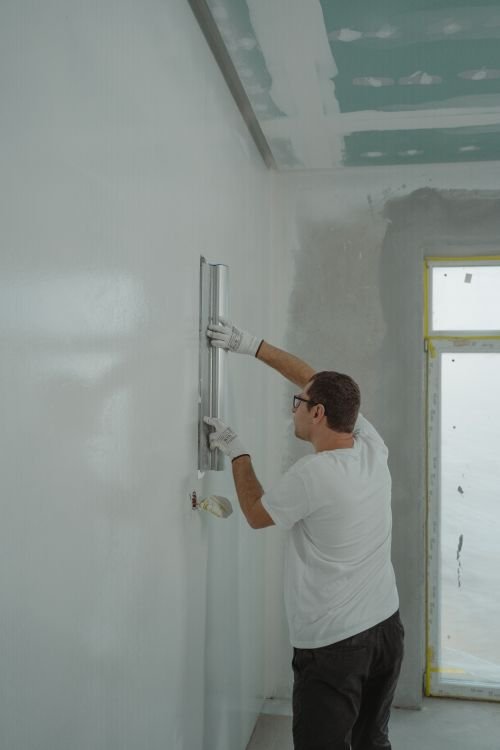
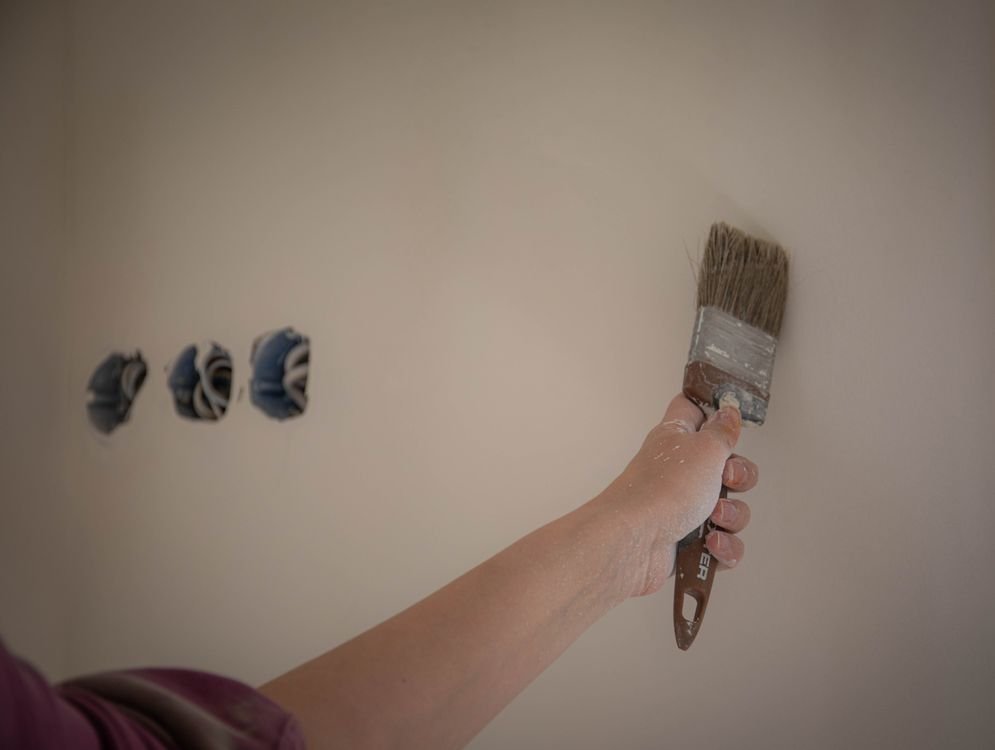
The work starts with reading the plaster: tapping for hollow spots, chasing cracks back to solid material, cutting out failed patches and re-plastering them properly. Drywall and plaster repair in a pre-war home is not cosmetic filler work; it is the structural base the paint depends on. Skim coats go only where the wall is sound enough to hold them, and primer is chosen for the surface it actually meets — lime plaster, old oil paint, new skim — because the wrong primer is a peeling coat waiting for its season.
Only then does colour go on, in the order the room demands: ceilings first, then walls, then the trim and millwork that give a Harlem interior its character. Our interior and exterior painting crews protect what is not being painted — floors, fireplaces, the original woodwork — before a brush is lifted, and the finish is built in proper coats rather than one thick coat that hides nothing and lasts half as long. The result is a wall that looks the way the room always promised, and stays that way.
Harlem’s period interiors carry deep, historic palettes: the saturated greens, ochres and burgundies of the brownstone parlour, the dark, glossy trim against plaster walls, the painted ceilings that make a tall room feel intentional rather than bare. These colours were not accidents of taste; they were the period’s answer to rooms lit by gas and then by early electric light, and they still flatter the proportions of a parlour floor.
Choosing colour for such a room is not a matter of picking a swatch off a wall in a showroom. The light in a Harlem brownstone changes with the floor — a garden-level room takes a warmer, deeper tone than a parlour with tall south-facing windows — and the finish matters as much as the hue: a flat finish on plaster walls, a hard-wearing satin on trim that takes hands and furniture. A colour consultation and custom finish session, done in the room itself with large samples, saves the repaint that a wrong guess costs.
Ceilings deserve the same attention as walls. Parlour ceilings in Harlem homes often carry their own detail — plaster medallions, cornices, a painted field that sets off the room — and ceiling and trim work restored and repainted carefully is what makes a period interior read as a whole rather than as a collection of repairs. Painted in the right palette, with the right sheen, the ceiling stops being the room’s forgotten surface and becomes its crown.

Protection comes first. Floors are covered, furniture is moved or wrapped, fireplaces and woodwork are masked, and in a period interior the plaster medallions and cornices are protected before anything else is touched. Preparation follows: plaster repairs cured, cracks chased and filled, surfaces sanded and primed with a primer matched to the surface — bare plaster, old paint, wood — because the wrong primer is a finish that lets go.
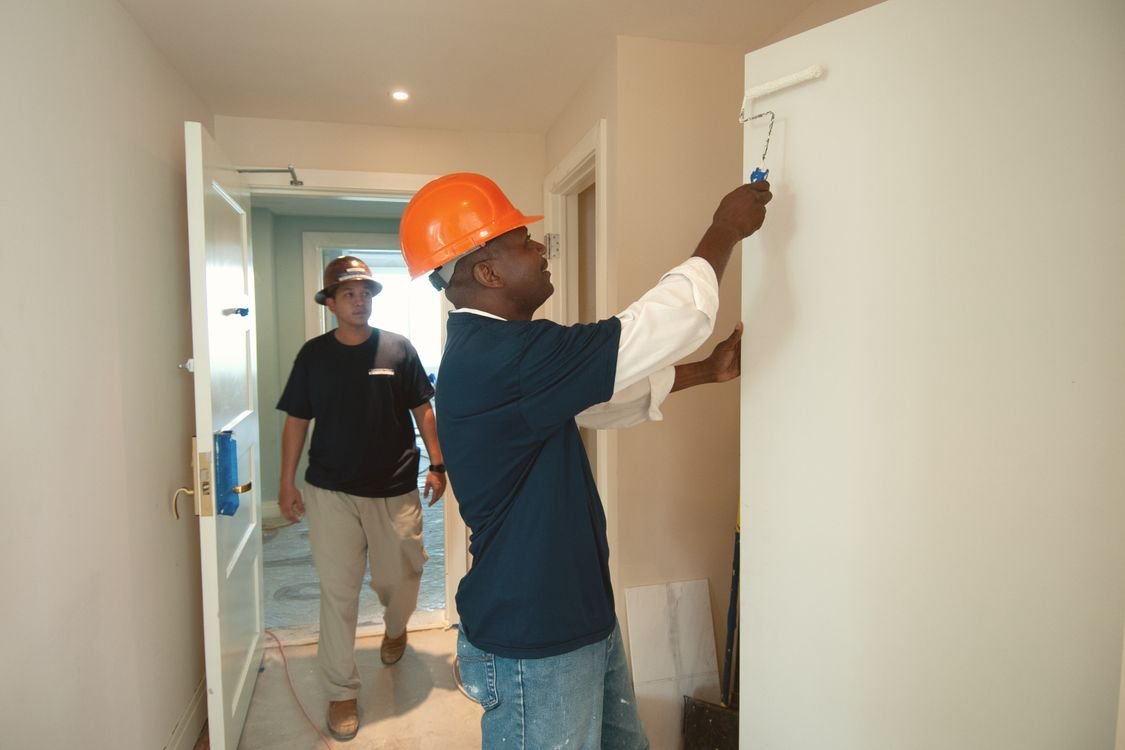
Then the coats, in proper sequence and proper thickness: ceilings first, then walls, then trim, each coat given its drying time. Two full coats are the standard on walls, with trim cut in cleanly against the wall colour. Rushing a coat, or stretching one coat where two are needed, is how a paint job ages in months instead of years.
Cleanup is part of the job, not an afterthought: masking removed, surfaces wiped down, furniture returned, and the finished rooms walked with the owner before we leave. If a touch-up is needed, it is done then, not promised for later. The areas we serve are listed on our service areas page, and you can reach Star Construction INC from there for a free, no-obligation estimate.
Our clients value the consistency, structural precision, and long-term performance we deliver on every project, from initial planning through final execution.

 Jav V
Trustindex verifies that the original source of the review is Google.
Got my bathroom remodel Team was professional on time Thank you Ever fernando Perez saldañaCrear Word
 LUIS CAYOi hire them for my home project. and everyting went smoothly. no delays
 Shahid IqbalVery reliable contractor. They did exactly what they promised and the quality was excellent. Would definitely recommend.
Contact us now to discuss your project and receive a no-obligation quote from our experts.
Every project is handled through a defined process that ensures accuracy, efficiency, and long-term structural performance from start to finish.
We begin by reviewing site conditions, understanding project objectives, and identifying structural requirements to establish a clear and practical direction before any work begins.
A detailed execution plan is developed, including material selection, sequencing of work, and coordination of labor to maintain consistency and avoid delays during construction.
Work is carried out using proven installation methods, with attention to structural integrity, proper reinforcement, and adherence to safety and quality standards.
A final walkthrough is conducted to verify workmanship, resolve any outstanding details, and ensure the completed project meets performance expectations and durability standards.
Harlem’s brownstones were built unpainted, and that fact shapes every exterior painting decision in the neighbourhood. Brownstone is a soft, porous stone that manages moisture by breathing: water that gets in dries back out through the face. Paint over it and that drying path closes; moisture trapped behind the film works on the stone from inside, and the paint itself becomes the thing that fails first — blistering, peeling, and taking stone with it when it goes. Brick behaves the same way in miniature: a painted brick wall looks crisp for a season and then asks for repainting on a cycle the unpainted wall never needed.
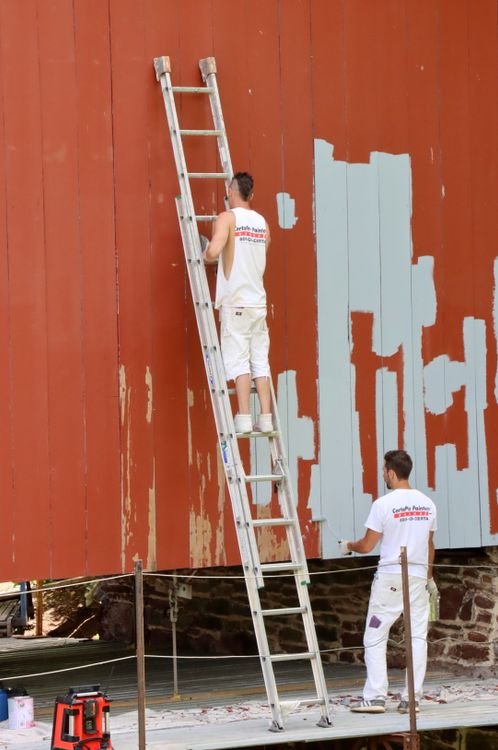
That does not mean exterior painting is never right in Harlem — trim, woodwork, and already-painted surfaces are a different matter, and a painted facade that is already painted must be maintained, not abandoned. But for an unpainted brownstone or brick face, we talk clients through the decision honestly before a drop is ordered, including the one-way nature of it and the maintenance it commits them to. Our exterior power washing and surface prep work and waterproof coatings and finishes are chosen the same way: only where the surface genuinely benefits, never as a coat over a problem that needs repair first. Many owners, once they see the trade-off plainly, choose masonry repair and cleaning instead.
Paint on brownstone or brick is effectively permanent. It cannot be stripped back to the original face without damage, so the decision is made once and lived with for the life of the wall. That permanence is the first thing to weigh, before colour or cost.
Unpainted masonry dries through its face. A paint film slows that drying, so water that enters through a crack or a failed joint stays in the wall longer, and freeze-thaw cycles work on a wetter stone. The result is often more damage, not less.
Paint is the protective layer where it belongs: on trim, woodwork and facades that were already painted. There it seals the wood, keeps weather off the surface and is renewed on a cycle the owner expects. Maintaining a painted surface is straightforward work, and it is the right call.
For unpainted brownstone and brick, the honest alternative is masonry repair and cleaning: repointing, stone repair and a careful cleaning that leaves the stone breathing and creates no new maintenance cycle. Many owners, once they see both paths plainly, choose this one.
Yes. Paint does not hide plaster problems; it highlights them. Cracks, loose patches and old repairs must be chased out, filled and primed first, or the new coat will crack along the same lines within months. Proper preparation is what separates a finish that lasts from one that peels.
Homes built before 1978 may contain lead paint, and disturbed lead paint is a health hazard. Testing comes first, before any sanding or scraping begins, and New York City has specific rules where young children live. The safe route is test, then plan — never sand or strip old paint blindly.
It depends, and it deserves an honest conversation before paint is ordered. Painting brownstone or brick is effectively permanent, it changes how the wall sheds and dries moisture, and it starts a maintenance cycle the owner keeps for the life of the wall. In historic districts it may also need approval. Many owners, once they weigh all of that, choose masonry repair and cleaning instead.
It depends on the size of the rooms and the state of the plaster. A single room with sound walls can be finished in a day or two; a full parlour floor with plaster repair, ceilings and trim takes longer, and the preparation stage sets the pace. A realistic schedule is agreed after the walls have been walked, not before.
Yes, in general terms. Most co-op and condo buildings require insurance certificates from any contractor working in the building, and they set working hours and rules for common areas and elevators. Checking the building’s requirements before work is scheduled avoids delays, and a contractor who has worked in pre-war buildings will be familiar with the process.