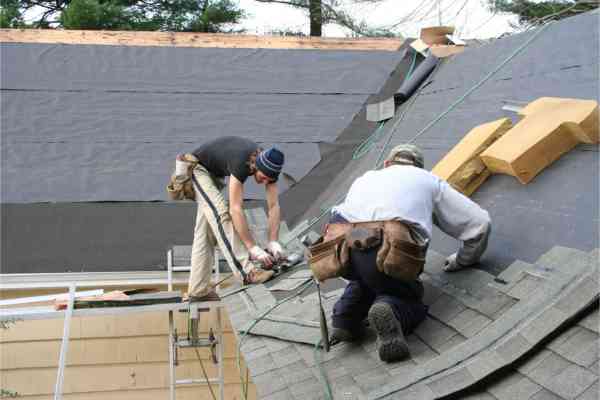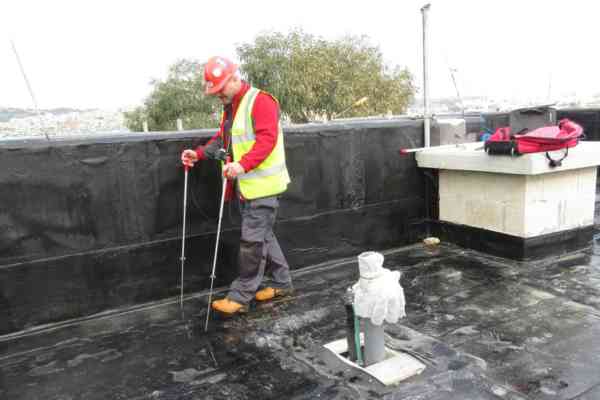

As roof repair and installation contractors in New York, we bring the same repair-first approach to Flushing that we apply across the city, shaped for the roofs here. Star Construction INC serves all of our service areas with consistent, practical work, and in Flushing that means planning around occupied apartment buildings and mixed-use blocks downtown, as well as single-family houses in Murray Hill and Auburndale. We start on the roof and in the attic, find where water is actually entering, and fix that cause before recommending a larger job, so a repair is not covering a problem that will return. Request a free, no-obligation estimate and we will inspect, photograph what we find, and explain the options in plain terms before any work begins.
A stain on a ceiling or a damp patch near a wall does not tell you where water is getting in, and on a Flushing roof it often does not. Water travels along a deck, a rafter, or a parapet before it shows inside, so the leak you see in a kitchen can start at a flashing detail or a seam several feet away. That is why we start with diagnosis, not with a price for a new roof. We walk the field, the seams and the drainage points on a flat roof, or the valleys, penetrations and flashing on a shingle roof, and we check the attic or the top-floor ceiling for the path the water has taken. Photographs of what we find are part of the visit, so the recommendation is tied to evidence rather than guesswork. When a repair will genuinely hold, we say so and do the targeted work. When the roof is at the end of its life, we say that too, and explain the replacement options in plain terms. If you are seeing a stain, a drip in heavy rain, or a musty smell near a top-floor ceiling, the first step is an inspection, not a sales visit, and it begins with a free, no-obligation estimate.

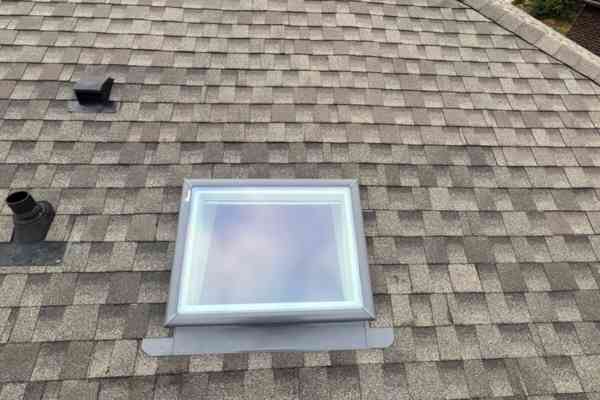
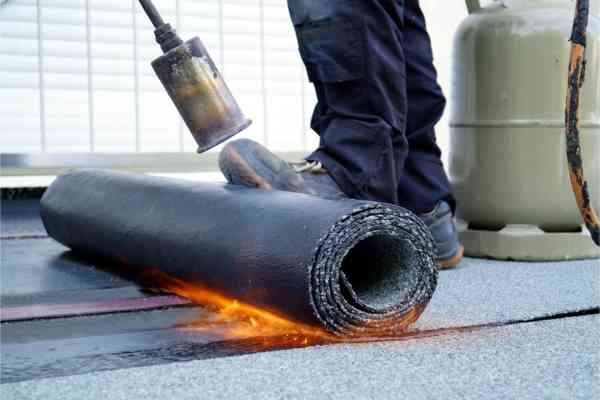
Homeowners in Murray Hill and Auburndale usually call us when a storm lifts shingles, a valley starts dripping, or a stain appears after a hard rain, and building owners and managers downtown call when a flat roof ponding problem, a blocked drain, or a parapet joint starts letting water into the top floor. Both kinds of call need the same discipline: find the entry point, fix that cause, and do not sell a replacement where a repair will hold. Our work covers shingle roof repair and replacement, flat roof installation and repair, roof leak detection and waterproofing, new roof installation, flashing repair and replacement, torch-down roofing, skylight leak repairs, roof coating systems, and gutter and downspout services, so the diagnosis can lead to the right fix rather than the only fix on offer. If you are not sure whether you need a repair or a replacement, that is exactly what the inspection is for, and it starts with a free, no-obligation estimate.
Our clients value the consistency, structural precision, and long-term performance we deliver on every project, from initial planning through final execution.

 Jav V
Trustindex verifies that the original source of the review is Google.
Got my bathroom remodel Team was professional on time Thank you Ever fernando Perez saldañaCrear Word
 LUIS CAYOi hire them for my home project. and everyting went smoothly. no delays
 Shahid IqbalVery reliable contractor. They did exactly what they promised and the quality was excellent. Would definitely recommend.
Contact us now to discuss your project and receive a no-obligation quote from our experts.
Every project is handled through a defined process that ensures accuracy, efficiency, and long-term structural performance from start to finish.
We begin by reviewing site conditions, understanding project objectives, and identifying structural requirements to establish a clear and practical direction before any work begins.
A detailed execution plan is developed, including material selection, sequencing of work, and coordination of labor to maintain consistency and avoid delays during construction.
Work is carried out using proven installation methods, with attention to structural integrity, proper reinforcement, and adherence to safety and quality standards.
A final walkthrough is conducted to verify workmanship, resolve any outstanding details, and ensure the completed project meets performance expectations and durability standards.
Flushing roofs are not one kind of roof, and they do not fail in one way. A downtown apartment building needs seams, drains and parapet joints kept sound, while a Murray Hill or Auburndale house needs valleys, flashing and shingles kept tight after storms. The four areas below cover the work that keeps both kinds of roof dry, and the honest call between a repair and a replacement.
On a shingle roof we replace storm-lifted or missing tabs, reseal and reflash valleys and penetrations, and check the deck and attic for the path water has taken before recommending anything larger. On a flat or low-slope roof we inspect seams, drains and ponding areas, and carry out flat roof installation and repair sized to the roof and the building, including torch-down and coating work where that is the right system. Between visits, the habits in our flat roof maintenance checklist help a building owner spot a blocked drain or a lifting seam early, while it is still a small repair. Whether the roof is shingle or flat, the diagnosis comes first and the scope follows it.
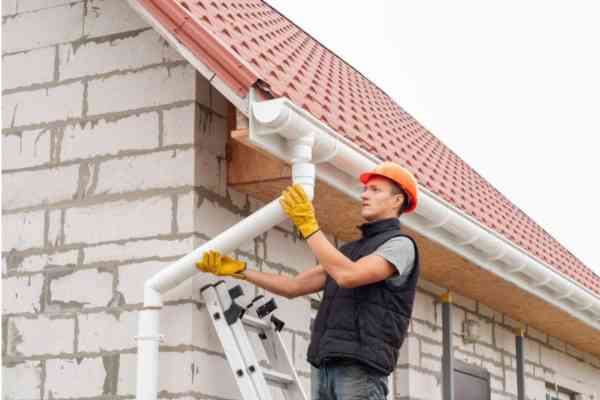
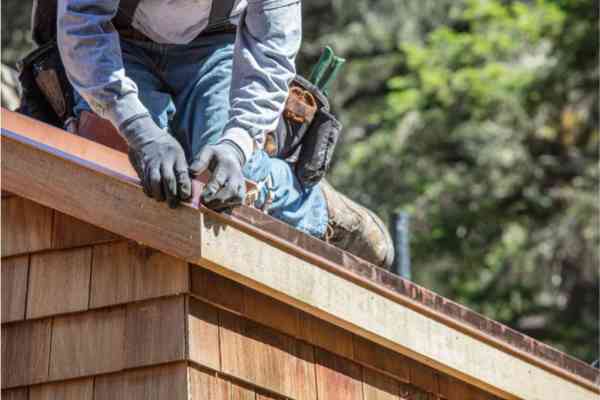
Many leaks that look like roof failures are really flashing or drainage failures. Step and counter flashing at a wall, a chimney or a skylight, a parapet joint that has opened, or a gutter and downspout that overflow in a downpour can all send water where it does not belong. Our gutter and downspout services keep water moving off the roof and away from the building, and our flashing repair and replacement reseals the joints where a roof meets a wall, a parapet or a penetration. On downtown mixed-use blocks, where a parapet runs the length of the building, these joints get special attention, because one open joint can stain several units below. Fixing the joint properly costs less than repainting the damage it causes.
The honest answer depends on the roof’s age, its overall condition, and how many places are failing. A single lifted shingle, a failed flashing detail, or one open seam is usually a repair, and we will say so. Widespread curling, repeated leaks in different places, a soft or sagging deck, or a flat roof with failed seams across the field usually means a replacement is the better spend, because patching one spot after another costs more in the end. Cost always depends on scope: the size and pitch of the roof, the system chosen, access, and the amount of deck or flashing work involved, so any figure before an inspection would be a guess. Where the work is a full replacement, permits in New York City are handled in general terms with the project, and we will explain what applies to your building before work begins. Either way, the recommendation is written up with photographs, so you can see why repair or replacement is the honest answer.
An inspection starts with a conversation about what you have noticed: where the stain is, when it appears, and whether it follows heavy rain or snowmelt. Then we walk the roof and, where access allows, the attic, checking the field, seams, valleys, flashing, drains and gutters, and we photograph what we find. You receive a plain explanation of the cause, the options, and the cost for each, with a free, no-obligation estimate, before any work begins. There is no pressure to choose the largest option, and no charge for the inspection itself. Star Construction INC has served New York City since 2018, and in Flushing that experience means planning around occupied buildings, protecting the floors below while work is under way, and leaving the roof watertight at the end of each day. If the roof is sound, we will tell you that too, and suggest only the maintenance it actually needs.
It comes down to how much of the roof is failing. A single leak from a flashing detail, a lifted shingle, or one open seam is usually a repair. Widespread curling or missing shingles, repeated leaks in different places, a soft or sagging deck, or a flat roof with failed seams across the field usually means a replacement is the better spend, because patching one spot after another costs more in the end. An inspection with photographs of what we find gives you the evidence for either answer, and the cost depends on the scope of the work chosen.
Light rain often does not reach a weak point, while heavy rain or snowmelt does. A small gap in flashing, a seam that only opens under ponding, a gutter that overflows in a downpour, or a valley that only carries enough water in a storm can all stay dry in ordinary weather and leak when the volume rises. Snowmelt adds a second problem: meltwater can sit and refreeze at an edge or a drain, then back up under a shingle or a seam. If a leak only appears in those conditions, the entry point is still there in dry weather, and an inspection can find it before the next storm.
It depends on the size and type of roof, the system chosen, access, and the amount of deck or flashing work needed. A typical single-family shingle roof in Murray Hill or Auburndale is often completed in a few days of work, while a larger flat roof over a downtown apartment or mixed-use building can take longer, especially where drains, parapet work, or coating cure times are involved. Weather can add days, and occupied buildings need staging that protects the floors below. Your estimate will set out the expected schedule for your roof before work begins.
Yes. Flat and low-slope roofs over downtown Flushing buildings need clear drains, sound seams, and parapet joints that can handle freeze and thaw. Leaves and debris that block a drain in autumn become ponding water in winter, and ponding water that freezes can lift a seam or push under flashing. Before winter, drains and gutters should be cleared, seams checked, and any ponding noted. During winter, snow that sits on a flat roof should be watched, and after a thaw, the drains should be checked again. Our flat roof maintenance checklist covers these seasonal checks in more detail.
It depends on the scope of the work. Small repairs, such as replacing a few shingles or resealing a flashing detail, generally do not need a permit, while a full roof replacement or structural work in New York City usually does, and the requirements vary by building type and borough rules. Where a permit applies, we will explain what is needed for your building before work begins and handle it as part of the project. If you are unsure whether your job needs one, ask during the free, no-obligation estimate and we will confirm it for your specific roof.