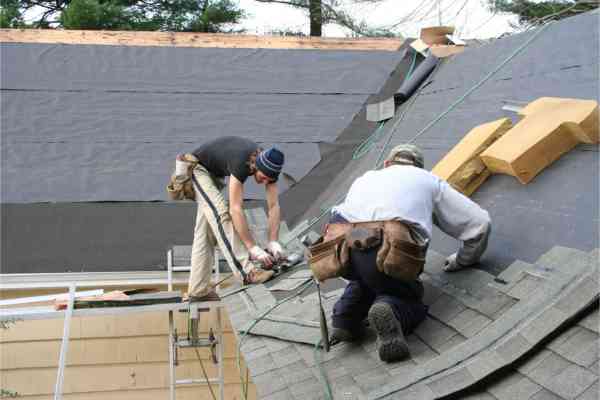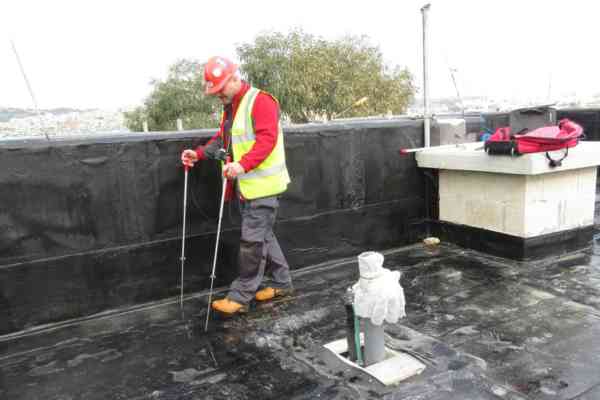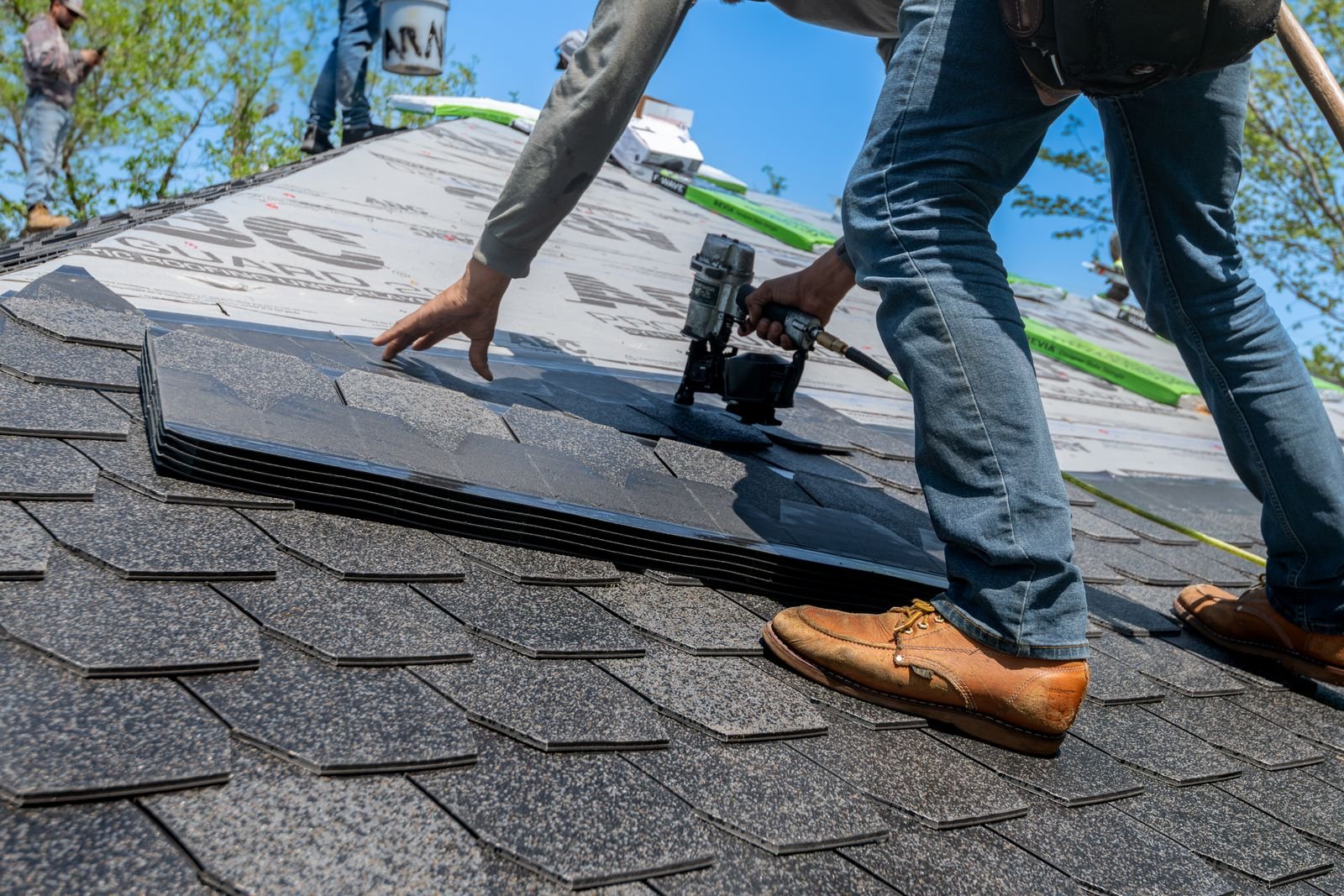

Roof work in Long Island City starts on the roof, not in the office. As roof repair and installation contractors in New York, we inspect the membrane, seams and laps, flashing at parapets, skylights and walls, drains and scuppers, and the deck beneath, so the recommendation matches the real condition — a targeted repair where the damage is local, or a full replacement where the system is worn through.
The systems we work with are the ones Long Island City roofs actually carry: torch-down and modified bitumen on the older low-rise and converted buildings, single-ply membranes on the towers, and coating systems where a sound roof needs its life extended. Our flat roof installation and repair work always addresses drainage first, because a flat roof that holds water will defeat any membrane, and our roof leak detection and waterproofing service traces the entry point before anything is sealed.
Every job ends with a written scope that names the system, the detailing at every edge and penetration, and what is excluded. Where a full new roof installation is the honest answer, we say so and explain why a patch would only buy a season; where a repair will genuinely hold, we say that instead. Request a free, no-obligation estimate and we will inspect, photograph and explain the options — Star Construction INC has served New York homes and buildings since 2018.
Professional roof repair and installation means restoring or building a complete roofing system, not patching the spot where water happens to appear. In Long Island City that system is almost always flat or low-slope: a membrane over insulation and decking, with parapet walls, flashing, drains and scuppers doing as much of the work as the field of the roof itself. The process starts with evaluation — what type of roof is in place, where water is entering, how much of the assembly has failed — and only then with a recommendation, because the right repair depends on the answers.
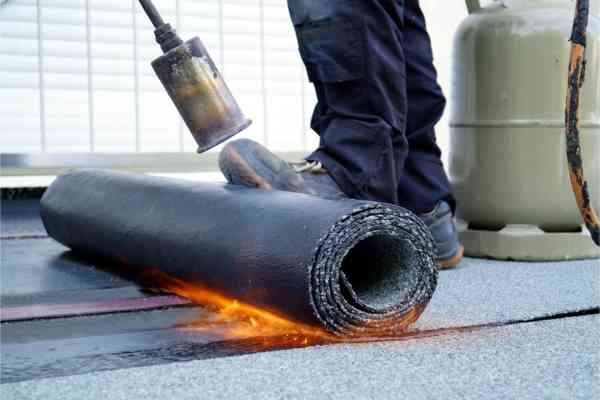
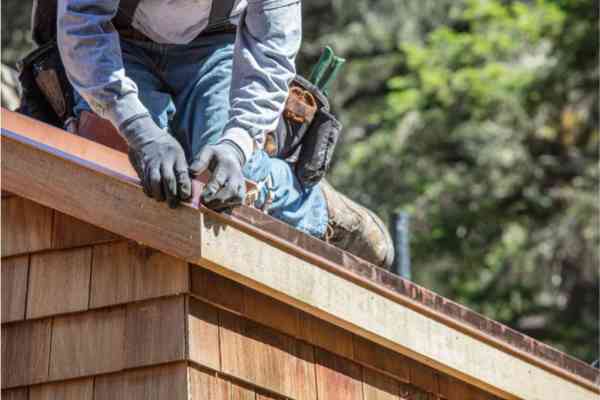
Material choice is matched to the roof type and exposure. The older converted buildings often carry torch-down or modified bitumen, and our torch-down roofing work suits those roofs well; the towers more often need single-ply membranes with welded seams and careful detailing around the many penetrations a residential roof carries. Where the membrane is sound but tired, roof coating systems can extend its life, provided the drainage is corrected first. Whatever the system, roof flashing repair and replacement at parapets, curbs and walls, and gutter and downspout work that actually moves water away, matter as much as the membrane itself.
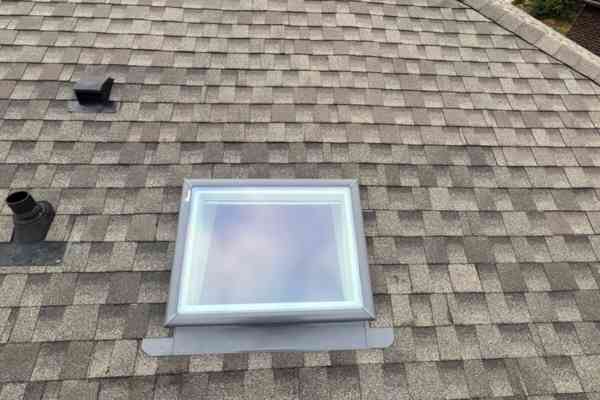
Property owners in Long Island City rely on professional roof work because the stakes are high: a failed flat roof damages everything below it, and a roof deck hides its leaks until the damage is done. That is why the roof-to-wall junctions get the same attention as the field — where the roof meets parapet walls and masonry, we coordinate the flashing and coping work with the wall itself, as our masonry contractors in Long Island City know well — and why skylights get their own detailing, through our skylight leak repairs service, rather than a bead of sealant and a hope.

If your Long Island City building needs roof work, you are looking for a contractor who has done this exact kind of work before — flat roofs over occupied homes, roof decks over waterproofing, and tower roofs where the logistics are as demanding as the roofing itself. That is the work we do, and we take it on with the same discipline on a converted industrial building as on a forty-storey tower. See all the areas we serve on our service areas page, and read about our broader work as roof repair and installation contractors in New York.
Star Construction INC has served New York homes and buildings since 2018. Request a free, no-obligation estimate and we will inspect your roof, photograph what we find, and explain the options in plain language — patch, partial repair, coating, or full replacement — with the written scope to match.
Our clients value the consistency, structural precision, and long-term performance we deliver on every project, from initial planning through final execution.

 Jav V
Trustindex verifies that the original source of the review is Google.
Got my bathroom remodel Team was professional on time Thank you Ever fernando Perez saldañaCrear Word
 LUIS CAYOi hire them for my home project. and everyting went smoothly. no delays
 Shahid IqbalVery reliable contractor. They did exactly what they promised and the quality was excellent. Would definitely recommend.
Contact us now to discuss your project and receive a no-obligation quote from our experts.
Every project is handled through a defined process that ensures accuracy, efficiency, and long-term structural performance from start to finish.
We begin by reviewing site conditions, understanding project objectives, and identifying structural requirements to establish a clear and practical direction before any work begins.
A detailed execution plan is developed, including material selection, sequencing of work, and coordination of labor to maintain consistency and avoid delays during construction.
Work is carried out using proven installation methods, with attention to structural integrity, proper reinforcement, and adherence to safety and quality standards.
A final walkthrough is conducted to verify workmanship, resolve any outstanding details, and ensure the completed project meets performance expectations and durability standards.
Flat roofs fail from water, not age. Here is how we keep Long Island City roofs watertight.
A flat roof in Long Island City rarely fails because the membrane simply got old. It fails because water stopped moving. The roofs here are nearly level by design, and a shallow dip — a settled deck, a drain set a fraction too high, insulation that has compressed under years of foot traffic — becomes a pond that sits after every storm off the East River. Standing water finds seams, softens adhesives and adds weight the structure was never asked to carry. Add freeze-thaw winters, and the water in a small seam opens it a little wider each year.
The other failure points are the edges and penetrations, not the field. Seams split where two sheets meet, roof flashing repair and replacement is needed where the membrane turns up a parapet or around a vent, and drains clog with the debris a river-facing city collects. Our flat roof installation and repair work therefore starts with drainage: re-pitching where possible, clearing and re-setting drains, and only then renewing the membrane and its seams. A roof that drains properly is a roof that lasts.
On a Long Island City tower, the roof is often a place people live on — an amenity deck, a private terrace, planters and pavers laid over the waterproofing itself. When water appears in the ceiling below, the stain is rarely under the leak. Water travels along the deck, down a slope, through a seam, and drops where it finds an opening, sometimes many feet from where it entered. Patching above the stain, without finding the entry, is how a leak gets “repaired” three times and still returns.
Tracing it properly means working backwards: checking the deck’s drains and scuppers, the flashing at every upstand and door threshold, the planter waterproofing and the membrane beneath the pavers. Sometimes the decking itself has to come up in sections so the entry point can be seen, not guessed. Our roof leak detection and waterproofing work follows that discipline, and where the membrane under a deck has failed, it is renewed and re-detailed before the deck goes back down — because a beautiful terrace over a leaking membrane is a problem with furniture on it.
A tower roof project in Long Island City is a building project before it is a roofing project. The roof is reached by service elevator or hoist, materials are staged where they do not block residents, and the work is sequenced around weather windows — because an opened roof that is not watertight by nightfall is not an option over occupied homes. That planning is agreed with the building’s board and management before the first delivery, not improvised on the day.
Notification matters as much as staging. Top-floor residents need to know when noise, vibration and brief service interruptions will happen, and the building needs a clear contact and a daily close-out: the roof left watertight every evening, debris contained, corridors and lobbies protected and clean. A tower roof done well is almost invisible to the people living under it — which is exactly how they should remember it.
The question every roof owner eventually faces — repair or replace — has an honest answer, and it is not always the bigger job. A roof whose membrane is sound across the field, whose leaks trace to a seam, a flashing or a drain, can often be repaired and then maintained, sometimes with a roof coating system that buys years of watertight service. Repairing the right roof is good stewardship, not a shortcut.
Replacement earns its cost when the assembly itself has failed: widespread seam breakdown, saturated insulation, a deck that has lost its pitch or its structure. In that case, patching buys months and costs the building twice — once for the patch, once for the replacement that follows. Our new roof installation work is recommended only when the inspection shows the old system cannot be made reliably watertight again. The written scope will say which decision we made and why, so the board can defend it to residents either way.
It depends on the system and how well it has been looked after. A well-installed flat roof in New York typically lasts around 20 to 30 years, with torch-down and modified bitumen systems toward the shorter end and single-ply or built-up systems lasting longer when they are maintained. What shortens a roof’s life is standing water, seams and flashings left unrepaired, and foot traffic across unprotected membrane.
The signs that the end is approaching are widespread seam failure, blistering, saturated insulation, and leaks that keep appearing in different places rather than one fixable spot. Regular inspection and small repairs extend a roof’s life considerably. Whether repair or replacement makes sense depends on the condition found on inspection, and the cost depends on the scope of that work. Request a free, no-obligation estimate and we will inspect the roof and explain where it stands.
Because the stain is almost never under the leak. Water that gets in through a failed seam, a cracked coping joint or a blocked drain travels along the deck, the slope and the underside of the decking until it finds a way down — often many feet from where it entered, and often through a ceiling joint or a light fitting. Patching the ceiling, or patching the decking directly above the stain, treats the symptom and leaves the entry point open.
Tracing it properly means working backwards from the stain: checking the deck’s drains and scuppers, the flashing at upstands and thresholds, the waterproofing under planters, and the membrane beneath the pavers. Sometimes decking has to come up in sections before the failed detail is visible. The cost of the repair depends on where the entry point turns out to be and how much of the assembly has failed — which is exactly why a quote given without tracing the leak is a guess, not a price. Request a free, no-obligation estimate and we will trace the leak to its source before quoting.
Often, yes — and the honest answer is that it depends on what the inspection finds. If the field membrane is still sound and the problems are localised — a split seam, a failed flashing, a drain that needs re-setting — a targeted repair, and sometimes a coating over a sound surface, can add years to the roof’s life at a fraction of replacement cost.
Replacement is the right call when the assembly itself has failed: widespread seam breakdown, saturated insulation, decking that has lost its pitch or its structure. Patching that roof buys months and costs twice, because the replacement still has to happen. The cost of either route depends on the scope found on inspection. Request a free, no-obligation estimate and we will inspect the roof, show you what we found, and explain which route we recommend and why.
Roof work on a residential tower is planned with the building before it is planned as roofing. Access is agreed first — a service elevator or a hoist for materials and debris, defined staging areas on the roof and at ground level, and a sequence that leaves the roof watertight at the end of every working day. Weather windows are watched closely, because a membrane opened in the morning must be closed before nightfall, whatever the forecast promised.
Residents, especially on the top floors, are notified in advance of noise, vibration and any interruptions, with a clear contact for questions. Debris is contained and removed daily rather than left to accumulate, and corridors, lobbies and elevators are protected and left clean each evening. The cost of a tower roof project depends on the scope of the work and on the building’s requirements for access and staging.
It depends on the scope of the work. A full roof replacement generally involves Department of Buildings filings, and so does structural work such as replacing decking or changing the roof assembly. Minor repairs — resealing a seam, replacing a section of flashing, clearing or re-setting a drain — usually do not require a permit, though the building’s own approval process still applies on a residential tower.
Whichever route your project takes, the written scope should name the filings the job requires before work starts, so there are no surprises mid-project. The cost of the work depends on the scope found on inspection and on the filings required. Request a free, no-obligation estimate and we will inspect the roof and explain what your project needs.