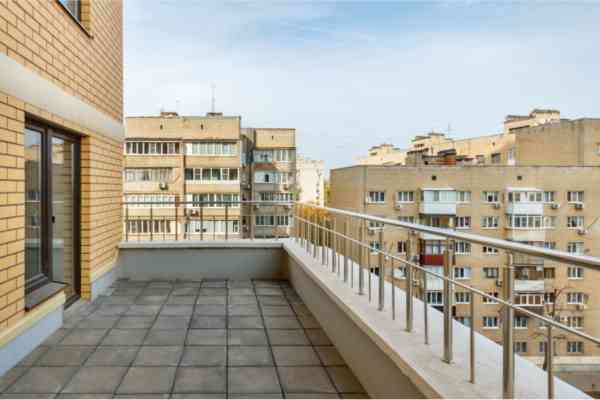

Our annual inspection and maintenance plans begin with a comprehensive site evaluation, where we assess the condition of exterior systems including roofing, parapet walls, façade elements, sealants, and drainage components. We identify signs of wear such as cracks, joint failure, water infiltration points, and material degradation. This detailed inspection allows us to develop a maintenance strategy based on actual building conditions rather than assumptions.
Material considerations are central to our approach. Different systems—whether masonry, concrete, metal flashing, or roofing membranes—require specific maintenance techniques and compatible repair materials. We ensure that all interventions align with the original construction materials to maintain performance and prevent premature failure.
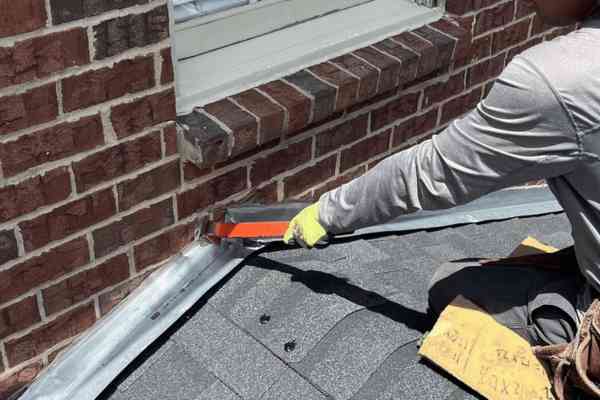
Execution involves scheduled inspections, documented findings, and timely maintenance work. This may include sealing joints, repairing minor damage, clearing drainage systems, and reinforcing vulnerable areas. We serve residential, commercial, and multi-unit properties, delivering structured maintenance programs that reduce risk, improve durability, and support long-term building performance. Where inspections reveal failed flashing at sills or parapet tops, sill and coping flashing repair is scheduled as part of the plan, so water entry points are closed before the next season’s freeze-thaw cycles.
Annual inspection and maintenance plans are structured service programs designed to regularly evaluate and maintain key building components. These plans focus on identifying early signs of deterioration in systems such as roofing, masonry, flashing, and waterproofing before they develop into major structural problems.
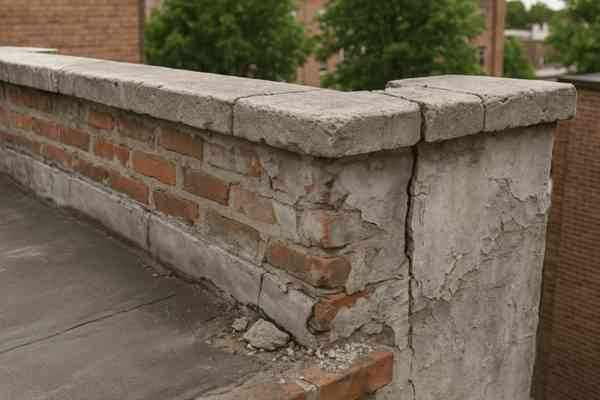
The process involves scheduled inspections, condition assessments, and targeted maintenance work. Contractors examine surfaces, joints, and connections to detect issues like moisture penetration, material fatigue, and structural movement. Based on these findings, necessary repairs and preventive measures are carried out to maintain system integrity. When assessments show worn membranes or open flashing joints, parapet wall waterproofing and flashing installation is carried out under the same plan, so the waterproofing layer is renewed before leaks reach the masonry below.
Property owners rely on these plans to ensure consistent building performance and avoid unexpected repair costs. Regular maintenance improves the durability of materials, enhances resistance to environmental stress, and extends the lifespan of structural components. It also helps maintain property value by ensuring that the building remains in stable and well-maintained condition over time.

Every successful build begins with proper evaluation, planning, and method selection to ensure structural stability and long-term performance.
We conduct detailed inspections of roofing, parapet walls, façades, and drainage systems to identify early signs of deterioration. This includes checking for cracks, joint failures, moisture intrusion, and material wear. Our reports provide clear insights into current conditions and recommended maintenance actions to preserve structural performance.
We evaluate roofing membranes, flashing systems, and waterproofing layers for integrity and performance. This includes identifying leaks, membrane deterioration, and drainage issues. Timely assessments help prevent water infiltration and extend the lifespan of roofing systems under New York’s demanding weather conditions.
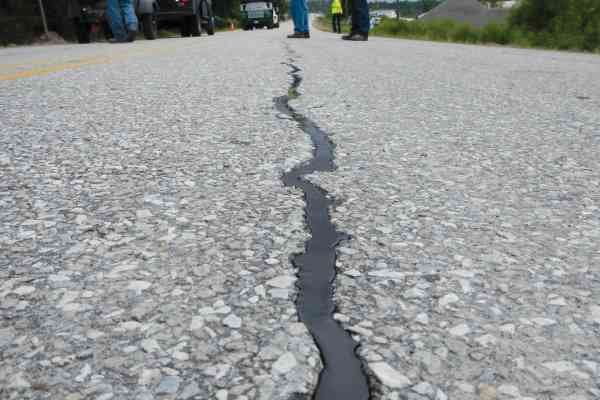
We inspect and maintain sealants and expansion joints to ensure continuous protection against water penetration. This involves removing failed sealants and applying high-performance materials that accommodate building movement. Proper joint maintenance is critical for preserving the building envelope and preventing hidden damage.
We address minor masonry defects such as cracks, loose joints, and surface deterioration. Early-stage repairs prevent further damage and maintain structural stability. Our approach ensures that repairs are compatible with existing materials, preserving both performance and appearance.
We maintain gutters, downspouts, and drainage pathways to ensure proper water flow. Blockages and debris are removed to prevent water buildup that can damage structural components. Efficient drainage is essential for protecting foundations, walls, and roofing systems from moisture-related issues.
We develop customized maintenance schedules based on property type, material systems, and exposure conditions. These programs include routine inspections and planned repairs to minimize long-term risks. Preventive maintenance reduces unexpected costs and ensures consistent building performance throughout the year.
If you are searching for annual inspection & maintenance plans contractors near me in New York, it is important to work with a contractor who understands local building conditions and environmental challenges. New York structures are exposed to heavy rainfall, snow, temperature fluctuations, and urban wear, all of which can accelerate material deterioration if not properly managed.
At Star Construction INC, our evaluation process is systematic and data-driven. We assess each component of the building envelope, identify vulnerabilities, and prioritize maintenance based on risk and exposure. This ensures that maintenance efforts are focused on areas that directly impact structural durability and moisture protection.
Our plans are designed for long-term building protection. By addressing issues early and maintaining critical systems regularly, we help prevent costly repairs and structural failures. Our local expertise allows us to recommend solutions that are specifically suited to New York’s climate, ensuring reliable performance and extended lifespan of building materials. We service parapet walls across Bronxville, New Rochelle and Astoria, addressing New York Local Law 126 parapet inspection requirements and freeze-thaw damage.
Our clients value the consistency, structural precision, and long-term performance we deliver on every project, from initial planning through final execution.

 Jav V
Trustindex verifies that the original source of the review is Google.
Got my bathroom remodel Team was professional on time Thank you Ever fernando Perez saldañaCrear Word
 LUIS CAYOi hire them for my home project. and everyting went smoothly. no delays
 Shahid IqbalVery reliable contractor. They did exactly what they promised and the quality was excellent. Would definitely recommend.
Contact us now to discuss your project and receive a no-obligation quote from our experts.
Every project is handled through a defined process that ensures accuracy, efficiency, and long-term structural performance from start to finish.
We begin by reviewing site conditions, understanding project objectives, and identifying structural requirements to establish a clear and practical direction before any work begins.
A detailed execution plan is developed, including material selection, sequencing of work, and coordination of labor to maintain consistency and avoid delays during construction.
Work is carried out using proven installation methods, with attention to structural integrity, proper reinforcement, and adherence to safety and quality standards.
A final walkthrough is conducted to verify workmanship, resolve any outstanding details, and ensure the completed project meets performance expectations and durability standards.
Annual inspection and maintenance plans provide a proactive approach to building care, ensuring that structural components remain in optimal condition throughout their lifespan. These programs focus on preventing damage rather than reacting to it, resulting in improved durability and long-term performance.
Regular inspections and maintenance help identify and address minor issues before they develop into significant structural problems. By maintaining materials such as concrete, masonry, and roofing systems, these plans extend the lifespan of building components. This proactive approach reduces the impact of environmental stress and ensures consistent structural stability over time.
Moisture is one of the primary causes of building deterioration. Maintenance plans ensure that waterproofing systems, flashing, and sealants remain effective. By preventing water infiltration, these services protect interior spaces, reduce the risk of mold and corrosion, and maintain the integrity of structural elements.
Consistent maintenance ensures that all exterior systems function as intended. Properly maintained roofing, drainage, and façade systems improve overall building performance by reducing energy loss, preventing damage, and maintaining structural alignment. This results in a more reliable and efficient building envelope.
Preventive maintenance significantly lowers the likelihood of major repairs. By addressing small issues early, property owners avoid expensive structural restoration work. Over time, this approach reduces maintenance costs and ensures better budget control while maintaining the property in optimal condition.
An annual inspection plan covers a full evaluation of the building exterior, including roofing, masonry, flashing, sealants, and drainage systems, along with recommended maintenance actions for each item found. Inspectors record current conditions and rank findings by urgency, so owners know what needs attention now and what can be scheduled. In New York, where freeze-thaw cycles and wind-driven rain wear down joints and parapets quickly, this documented baseline also makes it easier to track deterioration from year to year.
Inspections are typically performed once a year, which suits most New York properties because it catches a full cycle of winter freeze-thaw and summer storm exposure before damage compounds. High-exposure properties, such as waterfront buildings or older masonry structures, may require more frequent inspections, often twice a year or after severe storms. Your plan is adjusted to the building’s age, materials, and exposure, so inspection frequency matches actual risk rather than a fixed calendar.
Yes, early detection and timely maintenance significantly reduce the risk of costly structural repairs, because small cracks, failed sealants, and blocked drainage are fixed while they are still minor. On New York parapets and facades, for example, crack sealing and structural gap filling keeps water out of joints before freeze-thaw cycles can widen them into structural damage. Over time, this preventive approach costs far less than emergency rebuilding or full facade restoration.
Yes, we provide customized plans for residential, commercial, and multi-unit buildings, with each plan scaled to the property’s size, systems, and use. Commercial properties in New York often need coordinated scheduling around tenants and storefront operations, as well as documentation that supports building management and compliance records. Whether the building is a single-family home or a multi-story apartment block, the inspection scope and reporting format are tailored to the owner or manager’s needs.
Yes, we provide detailed reports after every inspection, outlining current conditions and recommended maintenance work for each system examined. Reports give owners a clear record of what was found and what should be addressed next, so repair budgets can be planned rather than improvised. In New York, where building managers often oversee multiple properties, these written records also provide a year-over-year history that supports maintenance planning and compliance documentation.