Effective soundproofing and insulation begin with identifying how sound and heat move through a structure. We evaluate wall assemblies, ceiling cavities, floor connections, and potential flanking paths where sound or air leakage occurs. Thermal gaps, air infiltration points, and structural connections are all reviewed before system design.
Material selection is based on density, absorption coefficient, and thermal resistance. We integrate insulation types and sound-dampening layers that work together—such as dense-fill materials, resilient channels, and sealing compounds—to control both acoustic transmission and energy flow. Compatibility between materials is essential to avoid performance loss.
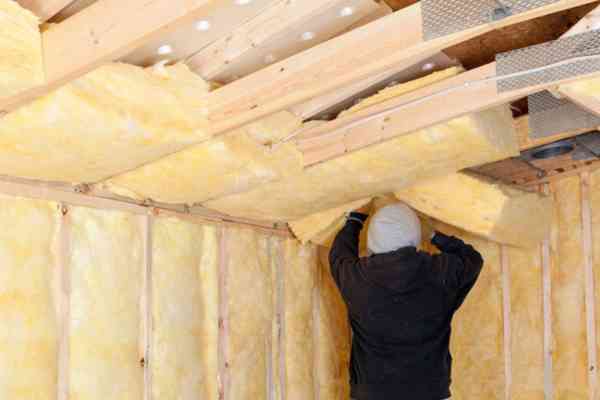
Execution follows a system-based approach. Cavities are prepared, penetrations are sealed, and layers are installed with attention to continuity and coverage. We ensure minimal gaps and proper fastening to maintain effectiveness. Our services are applied across residential homes, apartments, and multi-unit buildings where both noise control and thermal stability are critical.
Soundproofing and insulation involve modifying building assemblies to control sound transmission and regulate temperature. These systems reduce the movement of airborne noise, impact vibration, and heat transfer through walls, ceilings, and floors.
The process includes installing materials that absorb, block, or isolate sound, along with insulation layers that resist heat flow. Proper sealing and assembly continuity are essential to prevent performance gaps.
Property owners rely on these systems to improve comfort, privacy, and energy efficiency. When installed correctly, they reduce external noise intrusion, limit internal sound transfer between rooms, and create a more stable indoor environment that performs consistently across changing conditions.
Every successful build begins with proper evaluation, planning, and method selection to ensure structural stability and long-term performance.
Installing dense insulation within wall cavities to reduce sound transmission and improve thermal resistance across interior and exterior partitions.
Applying sound-blocking layers designed to limit airborne noise transfer between rooms or adjacent units in multi-structure environments.
Installing ceiling assemblies that reduce impact noise and vibration transfer from upper levels, improving acoustic separation.
Integrating underlayment and isolation materials to minimize noise transmission through flooring systems, especially in multi-unit buildings.
Sealing joints, penetrations, and openings to prevent sound leakage and improve insulation effectiveness by maintaining system continuity.
Enhancing insulation systems to reduce heat loss, improve energy efficiency, and maintain consistent indoor temperature levels.
If you are searching for soundproofing & insulation contractors near me in New York, it is important to work with professionals who understand how sound and heat transfer through building structures. Improper installation can leave gaps that reduce system effectiveness.
At Star Construction INC, we begin by identifying transmission paths, structural connections, and air leakage points. This allows us to design systems that address both acoustic and thermal performance requirements.
New York properties often face noise from surrounding environments and temperature fluctuations across seasons. Our approach focuses on continuous insulation coverage, proper sealing, and layered installation methods to ensure long-term performance and improved indoor comfort.
Our clients value the consistency, structural precision, and long-term performance we deliver on every project, from initial planning through final execution.

 Jav V
Jav VTrustindex verifies that the original source of the review is Google.
Got my bathroom remodel Team was professional on time Thank you Ever fernando Perez saldañaCrear Word
 LUIS CAYOi hire them for my home project. and everyting went smoothly. no delays
 Shahid IqbalVery reliable contractor. They did exactly what they promised and the quality was excellent. Would definitely recommend.
Contact us now to discuss your project and receive a no-obligation quote from our experts.
Every project is handled through a defined process that ensures accuracy, efficiency, and long-term structural performance from start to finish.
We begin by reviewing site conditions, understanding project objectives, and identifying structural requirements to establish a clear and practical direction before any work begins.
A detailed execution plan is developed, including material selection, sequencing of work, and coordination of labor to maintain consistency and avoid delays during construction.
Work is carried out using proven installation methods, with attention to structural integrity, proper reinforcement, and adherence to safety and quality standards.
A final walkthrough is conducted to verify workmanship, resolve any outstanding details, and ensure the completed project meets performance expectations and durability standards.
Soundproofing and insulation systems directly influence how a building performs against external noise, internal sound transfer, and environmental temperature changes. When these systems are installed with proper layering, sealing, and material compatibility, they not only improve comfort but also protect structural components from long-term stress and performance decline.
Properly designed acoustic assemblies limit both airborne noise (voices, traffic) and impact noise (footsteps, vibrations) by controlling how sound waves travel through walls, ceilings, and floors. This creates a quieter indoor environment, especially in multi-unit buildings, where shared structural connections often transmit sound between spaces. Over time, this significantly improves living comfort, reduces disturbances, and enhances overall usability of interior areas.
High-density insulation materials reduce thermal bridging and restrict heat flow across building assemblies. This helps maintain consistent indoor temperatures regardless of external weather conditions, which is especially important in New York’s seasonal climate. By reducing energy loss, HVAC systems operate more efficiently, lowering energy consumption while maintaining stable indoor comfort throughout the year.
Air sealing combined with insulation prevents condensation buildup inside wall cavities and ceiling systems. This is critical in preventing hidden moisture accumulation, which can lead to mold formation, material weakening, and long-term structural degradation. By controlling both air movement and temperature variation, these systems help preserve the integrity of interior assemblies and reduce risk of hidden damage.
By stabilizing indoor environments and minimizing exposure to fluctuating temperatures and sound vibrations, soundproofing and insulation systems reduce stress on building materials. This results in fewer structural shifts, less surface cracking, and improved durability of finishes over time. As a result, property owners benefit from reduced repair frequency, lower maintenance costs, and more predictable long-term performance.
Soundproofing focuses on reducing noise transmission, while insulation primarily controls temperature, though both systems often work together.
It significantly reduces noise levels, but complete elimination depends on structural conditions and system design.
Dense insulation materials, acoustic barriers, and sealing compounds are commonly used to control sound and heat transfer.
Timelines vary based on project size and complexity, typically ranging from a few days to several weeks.
Yes, it is highly effective in reducing noise transfer and improving comfort in shared living environments.