
Concrete in Long Island City is asked to do more than most people realise. It paves the sidewalks residents walk every day, it forms the podium and plaza decks that roof the parking and lobbies below, and under the converted industrial buildings it carries floors that once held machinery and now hold homes. As concrete repair and installation contractors in New York, we have worked on all three kinds of concrete since 2018, and we bring the same discipline to each: find the cause, not just the crack.
Most concrete problems in Long Island City start below the surface or above it. A sidewalk flag heaves because a tree root has lifted it or water has washed out its base; a plaza deck drips because a joint has failed or the waterproofing beneath it has reached the end of its life. Our inspections look at drainage, joints, reinforcement and the structure underneath before we recommend anything, because the right repair depends on what is actually failing. Where a section is sound but scarred, we carry out concrete resurfacing and repairs; where a slab or foundation has settled beyond repair, we replace it properly, with the base and reinforcement it should have had.
We work across the whole range of concrete services the neighbourhood needs, from sidewalk construction and repairs on the street frontage to concrete slabs and foundations under the converted buildings, and concrete steps and staircases at the entries in between. Request a free, no-obligation estimate and we will measure, photograph and explain the options before any work begins.
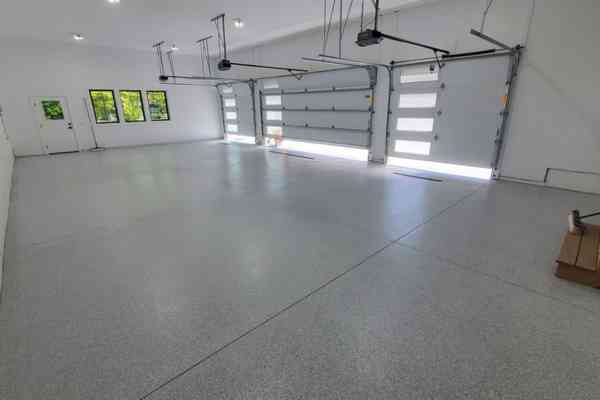
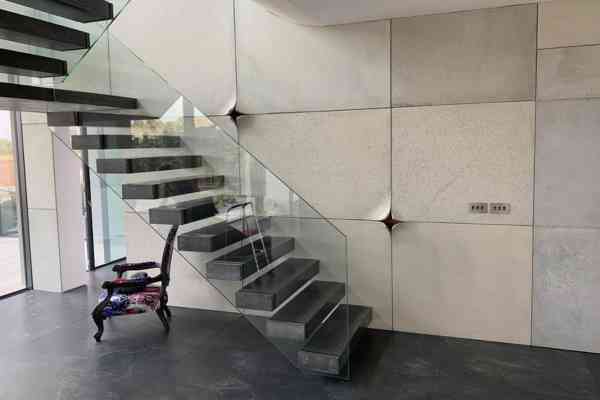
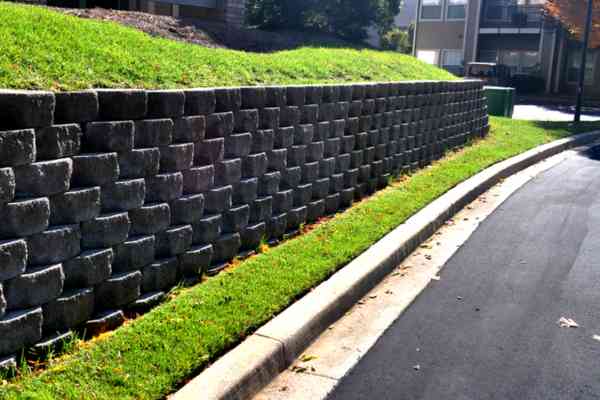
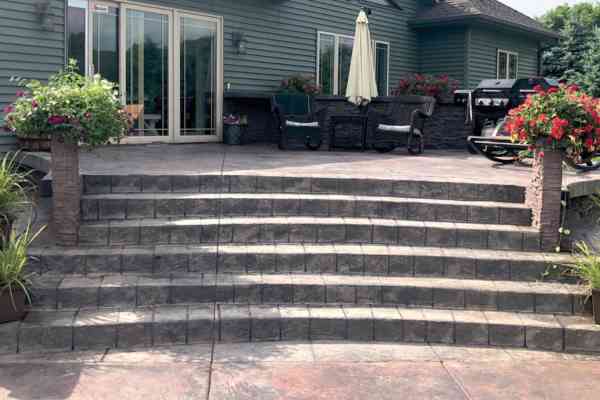
Concrete repair and installation in Long Island City covers three kinds of work, and they fail differently. Sidewalk work is the most visible: flags that have heaved, cracked or settled, trip hazards that put the owner on notice, and violations that need clearing. Then there is the structural work under the converted buildings — concrete slabs and foundations that have carried a century of loads and now carry new ones, and retaining walls and curbs holding back soil and water at the edges of a site. And there is the finish work people actually live with: concrete patios and walkways, concrete steps and staircases, and garage floor concrete in the parking levels below the towers.
Every job starts the same way: an inspection that looks past the surface. We check whether the base has washed out or settled, whether reinforcement is exposed or corroded, whether water is draining away from the slab or sitting against it, and whether the crack is a surface scar or a sign of movement underneath. That diagnosis decides the method, and it is what separates a repair that holds from one that reopens in a season. A slab that has lost its base gets its base rebuilt; a surface that is sound but worn gets concrete resurfacing and repairs rather than a full replacement it does not need.
The work itself is sequenced around the building and the weather. New concrete is placed, finished and cured with protection from rain and frost while it gains strength, and joints are cut or sealed where the slab needs room to move. In an occupied tower, deliveries and noisy work are scheduled with management, and common areas are protected and left clean each day. For the decorative side of the job — stamped and decorative concrete for courtyards and entries, or a concrete driveway installation on a low-rise lot — the finish is chosen for how it will wear under foot traffic, salt and river winters, not just how it looks on the day it is poured.

If your Long Island City building needs concrete work, you are looking for a contractor who has done this exact kind of work before — sidewalk flags under the city’s rules, podium decks over occupied floors, and foundations under converted industrial buildings. That is the work we do, and we take it on with the same discipline on a single flag as on a full plaza deck. See all the areas we serve on our service areas page, and read about our broader work as concrete repair and installation contractors in New York.
Star Construction INC has served New York homes and buildings since 2018. Request a free, no-obligation estimate and we will inspect your concrete, photograph what we find, and explain the options in plain language — repair, resurface, or replace — with the written scope to match.
Our clients value the consistency, structural precision, and long-term performance we deliver on every project, from initial planning through final execution.

 Jav V
Trustindex verifies that the original source of the review is Google.
Got my bathroom remodel Team was professional on time Thank you Ever fernando Perez saldañaCrear Word
 LUIS CAYOi hire them for my home project. and everyting went smoothly. no delays
 Shahid IqbalVery reliable contractor. They did exactly what they promised and the quality was excellent. Would definitely recommend.
Contact us now to discuss your project and receive a no-obligation quote from our experts.
Every project is handled through a defined process that ensures accuracy, efficiency, and long-term structural performance from start to finish.
We begin by reviewing site conditions, understanding project objectives, and identifying structural requirements to establish a clear and practical direction before any work begins.
A detailed execution plan is developed, including material selection, sequencing of work, and coordination of labor to maintain consistency and avoid delays during construction.
Work is carried out using proven installation methods, with attention to structural integrity, proper reinforcement, and adherence to safety and quality standards.
A final walkthrough is conducted to verify workmanship, resolve any outstanding details, and ensure the completed project meets performance expectations and durability standards.
Durable concrete starts below the surface — and in Long Island City, below the surface is often someone else’s ceiling. Here is how we work here, from the first inspection to the final walk-through.
In New York, the sidewalk in front of a building is the adjoining owner’s responsibility, flag by flag — and in Long Island City that rule meets some of the busiest foot traffic in Queens. A flag heaves where a tree root has lifted it, settles where water has washed out its base, or cracks under a winter of freeze and thaw. Left alone, a raised edge becomes a trip hazard, a complaint, and eventually a violation notice from the city.
We repair sidewalks the way the city wants them repaired: the failed flags cut out and replaced on a properly compacted base, joints sealed, and the finished walk level and safe to walk. Where a violation has already been issued, our DOT violation removal work clears the defect and the paperwork that follows it, so the notice does not become a recurring problem. Request a free, no-obligation estimate and we will walk the frontage with you and mark exactly which flags need work.
On a Long Island City tower, the podium or plaza deck is concrete doing two jobs at once: it is the floor residents walk on and the roof over the parking and lobbies below. When a joint fails or the waterproofing beneath the deck reaches the end of its life, the first sign is usually a drip in the garage, not a crack in the deck — and by the time the stain appears, the water has already travelled.
We treat these decks as roofing as much as concrete: joints resealed, drainage corrected so water leaves the deck instead of sitting on it, and the waterproofing membrane repaired or replaced where it has failed. Patching the ceiling below without fixing the deck above only buys a season. The cost of the work depends on how much of the assembly has failed and whether the membrane needs replacing — an inspection, with photographs, settles that before any quote.
Under the converted industrial buildings, the concrete is a century old and was built for machinery: thick slabs, heavy foundations, walls that have carried loads no home ever will. Now those same floors carry kitchens, galleries and studios, and the stresses have changed — new openings cut, new partitions loaded, old drains rerouted.
We inspect these structures with that history in mind: cores and cracks read for movement, old repairs checked for whether they are still holding, and any new work designed to suit the building rather than fight it. Where a floor needs strengthening or a foundation needs underpinning, the scope is written plainly, with the filings the job requires named before work starts.
The honest answer is not always the bigger job. A slab with a sound base and surface wear gets a repair or a resurface that adds years at a fraction of replacement cost; a slab whose base has washed out, whose reinforcement is corroded, or whose pitch sends water the wrong way will keep failing no matter how often it is patched. We show you what we found and explain which route, and why.
That is also why our estimates follow an inspection, not a phone call: the scope depends on what is actually failing, and a quote written before the slab is seen is a guess. Request a free, no-obligation estimate and we will measure, photograph and explain the options — repair, resurface, or replace — with the written scope to match.
In New York City, the adjoining property owner is responsible for maintaining the sidewalk in front of the building, flag by flag — and Long Island City is no exception. That responsibility covers the flags themselves: keeping them level, safe to walk on, and free of the trip hazards that tree roots, settlement and freeze-thaw cycles create. The city owns the sidewalk, but the duty to keep it in good repair sits with the building.
When a sidewalk falls behind, the city can issue a violation notice, and that notice stays open until the defect is properly repaired. Where a violation has already been issued, our DOT violation removal work clears the defect and the paperwork that follows it. Request a free, no-obligation estimate and we will walk the frontage with you and mark exactly which flags need work; the cost depends on how many flags are involved and what the base beneath them needs.
Because the plaza deck above is concrete doing two jobs at once: it is the floor people walk on and the roof over the parking below. When a joint in that deck fails, or the waterproofing membrane beneath it reaches the end of its life, water gets through — and it rarely drips straight down. It travels along the deck, the slope and the ceiling structure until it finds a way through, often far from where it entered.
That is why patching the garage ceiling never cures it: the stain is the symptom, and the entry point is up on the deck. The fix starts with finding that entry point — failed joints, drainage that leaves water standing, membrane that has broken down — and correcting it there. The cost depends on how much of the deck assembly has failed and whether the membrane needs replacing; an inspection, with photographs, settles that before any quote.
Often, yes — it depends on what the inspection finds. A slab with a sound base and surface wear can be repaired or resurfaced, adding years at a fraction of replacement cost. The repair only holds, though, when the cause is fixed too: the drainage corrected, the joint resealed, the base stabilised.
Replacement earns its cost when the slab itself has failed — a base washed out, reinforcement corroded, or a pitch that sends water the wrong way. Patching that slab buys months and costs twice. We show you what we found and explain which route, and why, before any work starts; the cost of either route depends on the scope found on inspection. Request a free, no-obligation estimate and we will measure, photograph and explain the options.
With building management, before anything else. The permitted work hours, the elevator and material access, and the staging areas are agreed in advance, and the lobbies, corridors and common areas are protected before the first delivery arrives. Noisy work — breaking, cutting, grinding — is kept to agreed windows, and residents are told in advance when it will happen.
Pours are sequenced so fresh concrete is protected while it cures, and walkways and driveways are returned to use as soon as the strength allows. The site is left clean and safe at the end of each day, not at the end of the job. The exact calendar depends on the scope of the work and on the building’s own rules; we agree it with management and with you before work starts. Request a free, no-obligation estimate and we will walk the site and explain the schedule.
It depends on the scope of the work. Sidewalk work in New York generally involves NYC Department of Transportation permits, and structural work — foundations, structural slabs, underpinning — generally involves Department of Buildings filings. Like-for-like surface repairs and resurfacing usually do not require filings, though a tower’s own management approval still applies.
Whichever route your project takes, the written scope should name the filings the job requires before work starts, so there are no surprises mid-project. The cost of the work depends on the scope found on inspection and on the filings required. Request a free, no-obligation estimate and we will inspect your concrete and explain what your project needs.