
Our process begins with a detailed inspection of the parapet wall system, including masonry condition, coping integrity, and existing flashing performance, and where cap stones have failed we coordinate the work with our coping stone installation and replacement in New York service. We identify cracks, open joints, and areas where water intrusion is likely to occur. This evaluation allows us to design a waterproofing and flashing system that addresses both surface-level issues and underlying vulnerabilities.
Material selection is critical for achieving long-term moisture resistance. We use high-performance waterproof membranes, elastomeric coatings, and corrosion-resistant flashing materials such as galvanized steel or aluminum. Sealants are carefully selected to ensure compatibility with existing masonry and to maintain flexibility under thermal movement.
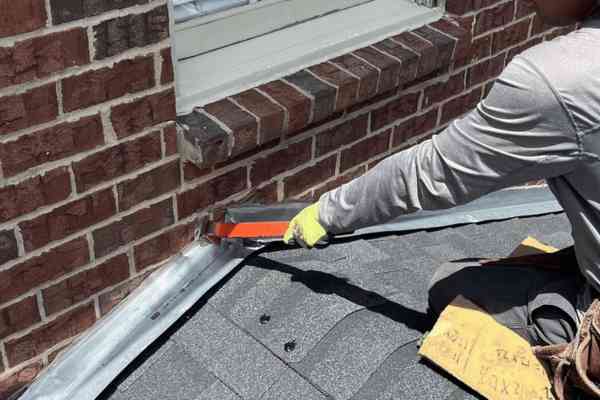
Execution involves surface preparation, installation of flashing at key transition points, and application of waterproofing systems that create a continuous protective barrier. We ensure proper drainage pathways and secure sealing of all joints. Through-wall flashing is carried across the full thickness of the parapet and tied into the roof membrane at the base, because that junction is where wind-driven rain and repeated freeze-thaw cycles most often defeat a surface-only seal on older New York rooflines. Our services are suitable for residential, commercial, and multi-unit properties, delivering durable protection against water infiltration and structural deterioration.
Parapet wall waterproofing and flashing installation is the process of sealing and protecting wall systems above the roofline to prevent water penetration. This involves installing protective membranes and metal flashing components that direct water away from vulnerable areas.
Water intrusion typically occurs at joints, coping interfaces, and transitions between roofing and masonry surfaces, which is why the parapet work is planned alongside our roof flashing repair and replacement in New York service wherever the roof membrane meets the wall. Without proper waterproofing and flashing, moisture can enter the wall system, causing deterioration of mortar, corrosion of embedded materials, and internal structural damage. This service addresses these issues by creating a continuous barrier against water entry.
By improving moisture control and sealing critical points, this process enhances the performance of the building envelope. Properly installed waterproofing and flashing systems extend the lifespan of parapet walls, reduce maintenance requirements, and protect the structure from long-term environmental damage.

Every successful build begins with proper evaluation, planning, and method selection to ensure structural stability and long-term performance.
We apply high-performance waterproof coatings and membranes to protect masonry surfaces from moisture infiltration and environmental damage.
Our team installs and replaces flashing systems at critical joints to ensure effective water diversion and long-term protection.
We seal coping joints to prevent water penetration at the top of parapet walls, reducing the risk of internal damage.
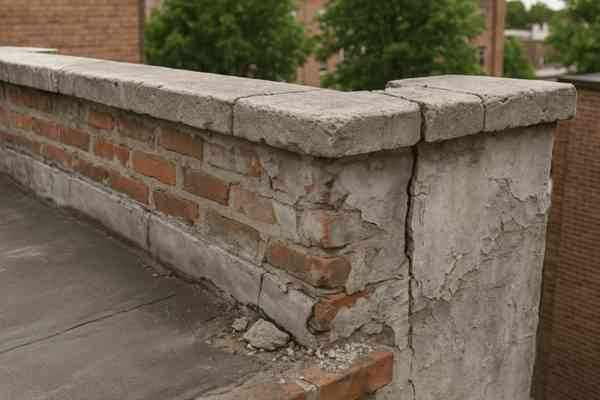
We repair cracks and apply protective treatments to reinforce structural integrity and prevent moisture entry.
We install specialized waterproofing systems at roof-to-wall intersections to eliminate common leak points.
We provide routine inspections and maintenance services to identify issues early and maintain system performance over time.
If you are searching for parapet wall waterproofing & flashing installation contractors near me in New York, selecting a contractor with local experience is essential. Buildings in this region face constant exposure to heavy rain, snow accumulation, and freeze-thaw cycles, all of which can compromise waterproofing systems if not properly installed.
At Star Construction INC, we perform comprehensive evaluations to identify vulnerable areas, including failed flashing, open joints, and water entry points. Our team develops customized solutions that address both immediate issues and long-term performance requirements.
We also consider environmental factors such as temperature fluctuations and moisture exposure when selecting materials and installation methods, and because coatings and flashing only bond reliably to sound masonry, deteriorated joints are first restored through our parapet wall repair and repointing in New York service. By ensuring proper sealing, drainage, and system integration, we deliver solutions that protect your building from water damage and structural deterioration. Working with a local contractor ensures your waterproofing system is built to handle New York’s challenging conditions.
Our clients value the consistency, structural precision, and long-term performance we deliver on every project, from initial planning through final execution.

 Jav V
Trustindex verifies that the original source of the review is Google.
Got my bathroom remodel Team was professional on time Thank you Ever fernando Perez saldañaCrear Word
 LUIS CAYOi hire them for my home project. and everyting went smoothly. no delays
 Shahid IqbalVery reliable contractor. They did exactly what they promised and the quality was excellent. Would definitely recommend.
Contact us now to discuss your project and receive a no-obligation quote from our experts.
Every project is handled through a defined process that ensures accuracy, efficiency, and long-term structural performance from start to finish.
We begin by reviewing site conditions, understanding project objectives, and identifying structural requirements to establish a clear and practical direction before any work begins.
A detailed execution plan is developed, including material selection, sequencing of work, and coordination of labor to maintain consistency and avoid delays during construction.
Work is carried out using proven installation methods, with attention to structural integrity, proper reinforcement, and adherence to safety and quality standards.
A final walkthrough is conducted to verify workmanship, resolve any outstanding details, and ensure the completed project meets performance expectations and durability standards.
Proper waterproofing and flashing installation provide essential protection and improve the performance of your building.
Advanced waterproofing systems prevent water infiltration, protecting masonry, structural components, and interior spaces from damage.
Proper flashing and sealing reduce the risk of material deterioration, ensuring long-term stability of parapet wall systems.
Effective moisture control enhances the overall performance of the building envelope, reducing energy loss and structural stress.
By preventing water-related damage, waterproofing systems minimize the need for frequent repairs and ongoing maintenance.
Yes, it is essential, because a parapet wall is exposed to weather on both faces and along its top, so water can enter through open joints, failed coping seals and the roof-to-wall junction. Once inside, moisture saturates the masonry, loosens mortar and, through repeated freeze-thaw cycles, widens cracks until the wall weakens and interior finishes below the roofline are damaged. A properly installed waterproofing and flashing system keeps water out of the wall body in the first place, rather than relying on interior repairs after the damage has already spread.
Flashing is a protective metal layer, usually corrosion-resistant steel or aluminum, installed at the joints and transitions where water is most likely to enter a parapet wall. The critical locations are the base of the wall, where through-wall flashing carries water out across the full thickness of the parapet and into the roof drainage, and beneath the coping, where it catches water that gets past the cap stones. Without flashing at those points, even a well-coated wall surface will eventually leak, because water finds its way in at the seams rather than through the face of the brick.
High-quality systems can last many years, and how long they actually last depends mainly on the materials chosen, the quality of the installation and the conditions the wall faces. A system installed over properly prepared, sound masonry with correctly lapped flashing and compatible sealants will far outlast one applied over deteriorated joints or failed coping. Regular inspection matters too: small sealant failures caught early are quick to repair, while the same failure left through several New York winters can let water in and shorten the life of the whole system.
Yes, proper waterproofing and flashing installation can stop leaks and prevent future water intrusion, but only when the work starts by tracing the leak to its actual entry point rather than simply coating the visible stain. If the source is failed flashing at the wall base, open coping joints or cracked masonry, that defect has to be repaired first, since a surface coating over a failed joint will keep leaking. Where the leak traces back to cracked masonry, our guide to cracked parapet wall repair in NYC explains how those defects are addressed before the new waterproofing goes on.
Yes, flashing is essential for every parapet wall, because every parapet has joints, a coping and a junction with the roof, and each of those is a place water can enter the wall system. The base flashing carries water out of the wall at the roofline, the coping flashing protects the top of the wall where cap stones meet, and transition flashing seals the points where the parapet meets adjoining walls or roof structures. Leaving flashing out of any of those locations leaves a direct path for water into the masonry, no matter how well the rest of the wall is sealed.