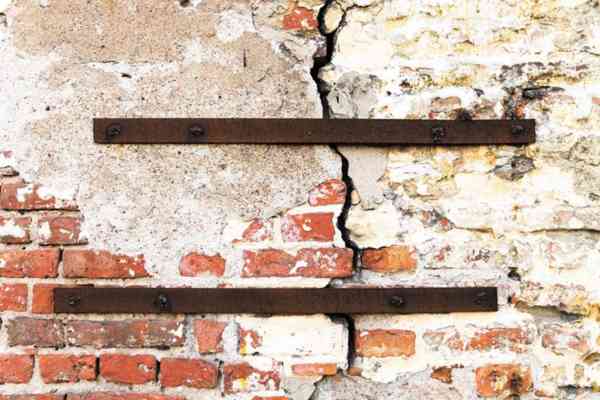
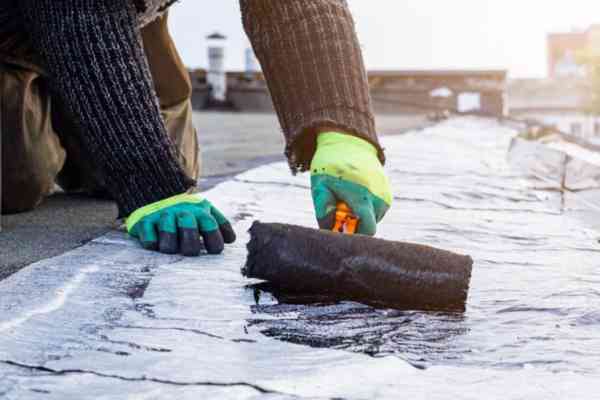
Effective waterproofing begins with identifying how and where moisture enters a structure. Our process starts with a detailed inspection of joints, seams, penetrations, and exposed surfaces to detect vulnerabilities such as gaps, deteriorated sealants, and porous materials. This evaluation allows us to develop targeted solutions that address the root cause of water intrusion.
Material selection is based on flexibility, adhesion strength, and resistance to environmental stress. Sealants must accommodate structural movement while maintaining a continuous barrier. We choose products that perform reliably under temperature fluctuations, UV exposure, and moisture conditions common in New York.
Execution involves surface preparation, removal of failed sealants, and precise application of new waterproofing systems. We ensure proper joint filling, uniform coverage, and strong adhesion to prevent future failures. Our services are designed for residential homes, commercial properties, and multi-unit buildings, delivering long-lasting protection against moisture infiltration and structural damage.
Waterproofing and sealants are protective systems used to prevent water penetration through joints, surfaces, and structural transitions. These systems create flexible barriers that block moisture while allowing for controlled movement within the building structure.
The process involves identifying vulnerable areas, preparing surfaces, and applying specialized materials that adhere to substrates and maintain elasticity. Sealants are applied at joints and connections, while waterproofing systems are used on larger surfaces to create continuous protection.
Property owners rely on these systems to prevent water damage, reduce structural deterioration, and maintain building performance. Properly applied waterproofing and sealants improve durability, protect against environmental exposure, and ensure that structures remain stable and efficient over time.

Every successful build begins with proper evaluation, planning, and method selection to ensure structural stability and long-term performance.
Installation and replacement of sealants in expansion joints to accommodate structural movement. Proper sealing ensures flexibility, prevents cracking, and blocks water penetration at critical transition points within the building envelope.
Application of waterproofing systems on exterior surfaces to create a protective barrier against rain and environmental exposure. These systems enhance durability and prevent moisture from reaching structural components.
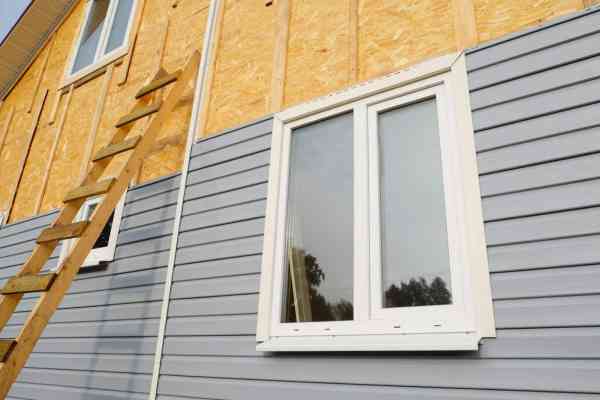
Sealing gaps around windows and doors to eliminate air and water infiltration. This improves energy efficiency while protecting interior spaces from moisture-related damage.
Applying waterproofing solutions to below-grade areas to prevent water seepage and structural deterioration. This ensures long-term protection in moisture-prone environments.
Repairing cracks and gaps in structural surfaces to prevent water entry and further expansion. Proper sealing restores surface integrity and improves durability.
Sealing roof penetrations and flashing areas to prevent leaks and water infiltration. This ensures that roofing systems remain watertight and structurally secure.
If you are searching for waterproofing & sealants contractors near me in New York, it’s essential to choose professionals who understand moisture pathways and building envelope systems. Improper sealing can lead to hidden damage and long-term structural issues.
At Star Construction INC, we perform detailed inspections to identify areas where water infiltration occurs, including joints, cracks, and surface transitions. This allows us to implement precise solutions that address both immediate concerns and underlying vulnerabilities.
New York’s climate, with its combination of heavy rainfall, humidity, and temperature variation, requires durable waterproofing systems. Our approach focuses on high-performance materials, accurate application techniques, and long-term protection strategies that ensure structural stability and prevent moisture-related damage. We serve property owners across Village of Pelham, Tuckahoe and Astoria, protecting exteriors from New York freeze-thaw cycles, driving rain and humid summers.
Our clients value the consistency, structural precision, and long-term performance we deliver on every project, from initial planning through final execution.


 Trustindex verifies that the original source of the review is Google.
 Trustindex verifies that the original source of the review is Google.
 Trustindex verifies that the original source of the review is Google.
 Trustindex verifies that the original source of the review is Google.
Contact us now to discuss your project and receive a no-obligation quote from our experts.
Every project is handled through a defined process that ensures accuracy, efficiency, and long-term structural performance from start to finish.
We begin by reviewing site conditions, understanding project objectives, and identifying structural requirements to establish a clear and practical direction before any work begins.
A detailed execution plan is developed, including material selection, sequencing of work, and coordination of labor to maintain consistency and avoid delays during construction.
Work is carried out using proven installation methods, with attention to structural integrity, proper reinforcement, and adherence to safety and quality standards.
A final walkthrough is conducted to verify workmanship, resolve any outstanding details, and ensure the completed project meets performance expectations and durability standards.
Waterproofing and sealant systems are essential for maintaining structural integrity, preventing damage, and ensuring long-term building performance.
Sealants and waterproofing systems create a continuous barrier that prevents water from entering through joints, cracks, and surface openings. This reduces the risk of internal damage, mold growth, and material deterioration, ensuring that structures remain protected even under severe environmental conditions.
By blocking moisture intrusion, these systems protect structural components from weakening and degradation. This helps maintain the strength and stability of the building over time, reducing the likelihood of costly repairs or structural failure.
Waterproofing materials are designed to withstand temperature changes, UV exposure, and movement within the structure. Their flexibility and durability ensure that they remain effective under varying conditions, maintaining consistent protection.
Proper sealing minimizes the need for frequent repairs by preventing damage before it occurs. This leads to lower maintenance costs and ensures that property owners can maintain structural performance without ongoing issues.
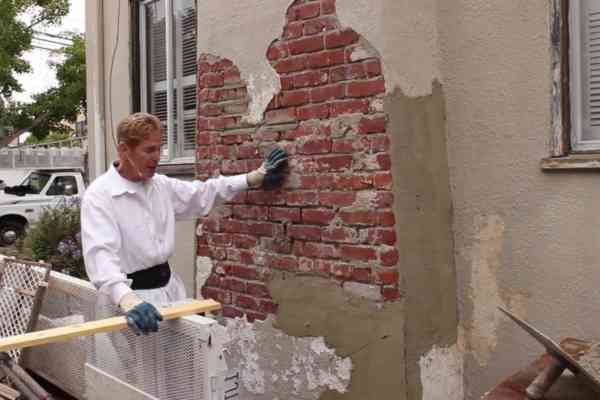
Joints, foundations, roofs, windows, and exterior surfaces commonly require sealing and waterproofing, because these are the points where different materials meet and where movement, settlement, and weather exposure open up gaps over time. A survey first identifies which of these points are actually admitting water, rather than sealing everything indiscriminately. Where the leaking surface is a masonry frontage, the same inspection may point to facade repair and restoration alongside the sealing work, so the substrate is sound before it is sealed.
Sealant lifespan depends on material and conditions but typically lasts several years with proper application. Exposure is the deciding factor: joints that face direct sun, standing water, or constant movement age faster than sheltered ones, and New York freeze-thaw cycles are especially hard on sealants that have lost flexibility. Regular inspection catches cracking, shrinkage, or loss of adhesion early, when a joint can be resealed rather than rebuilt. For masonry walls, where the substrate itself absorbs water, our exterior waterproofing for masonry service addresses the wall behind the joint as well as the joint itself.
Yes, by blocking moisture, waterproofing reduces conditions that allow mold to develop. Mold needs sustained dampness to grow, so keeping water out of wall assemblies, joints, and below-grade areas removes the condition it depends on. Waterproofing alone is not a mold remedy, however: where mold is already present, the affected material must be dealt with first, and the moisture source must be corrected so it does not return. As one of our exterior services in New York, waterproofing is specified as part of the whole envelope, so water is managed at the surface rather than trapped inside the wall.
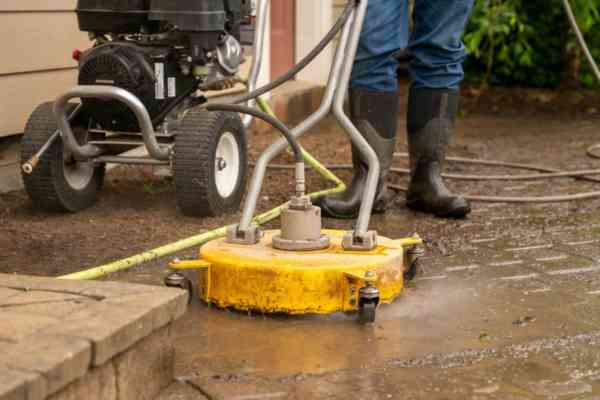
Yes, proper preparation ensures strong adhesion and long-lasting performance. A sealant can only bond to a clean, dry, sound surface, so failed sealant, loose material, dust, and contaminants must be removed and the joint profile checked before anything new is applied. Skipping this step is a common reason new sealant fails early, since it bonds to dirt or to a failing layer beneath it instead of to the substrate. Where grime or biological growth must be cleared first, power washing and surface cleaning prepares the surface so the new sealant can adhere as intended.
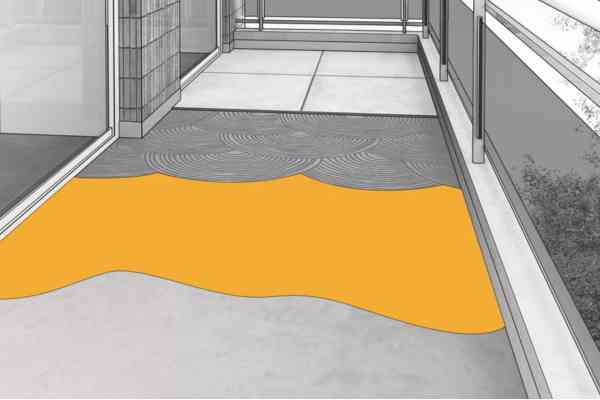
Yes, we handle residential, commercial, and multi-unit waterproofing projects. Larger buildings are typically phased so occupied units or trading areas stay in use while work moves across elevations or levels, and the same attention to joint preparation, material compatibility, and detailing applies at any scale. For multi-unit and commercial properties, we also coordinate around access, parking, and occupant disruption. Terraces and balconies are a frequent part of this work, since their decks and parapet junctions are common leak points, and our balcony and terrace repair service addresses those structures directly.