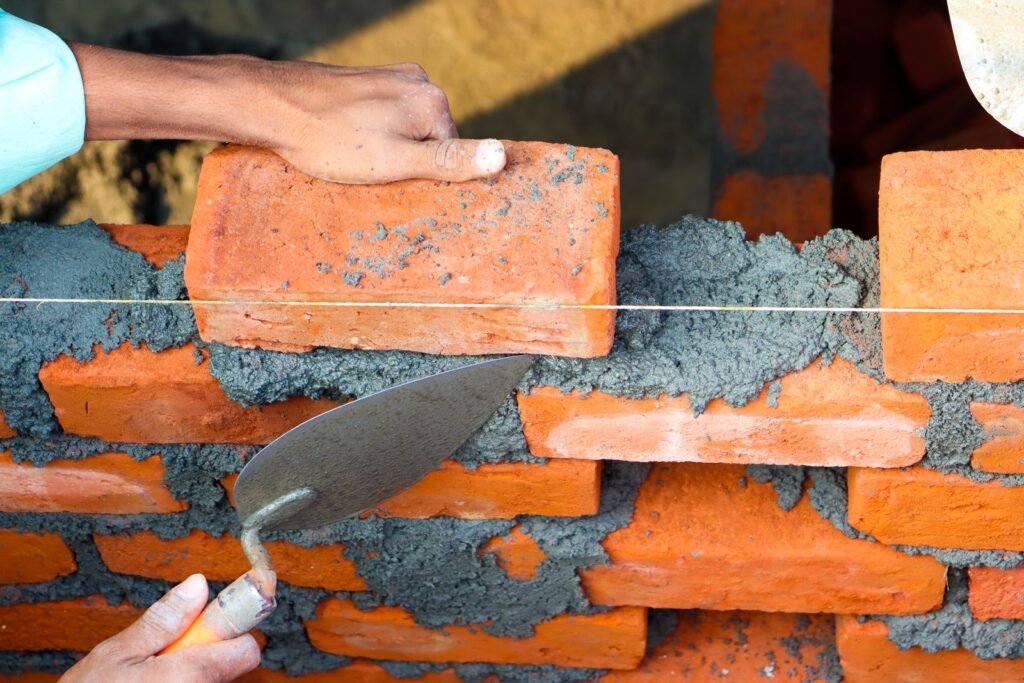
Masonry repair in New York typically costs anywhere from a few hundred dollars for minor repointing work to several thousand dollars for extensive brick replacement or a chimney rebuild. Most property owners in the New York City metro area pay in the low-to-mid four figures for a standard repair. The final price depends on the type and extent of the damage, the materials that need to be matched, and how easy the wall is to access. Because no two buildings — and no two masonry problems — are exactly alike, the only way to get an accurate figure for your property is an on-site estimate.
If you own a brick, stone, block, or stucco building anywhere that experienced masonry contractors serve — from Manhattan and Queens to the Bronx, Yonkers, and White Plains — this guide breaks down what drives masonry repair pricing in 2026, what common jobs tend to cost across the New York market, and how to tell when a repair is enough versus when rebuilding makes more sense.
What Drives Masonry Repair Costs in New York?
Every masonry estimate is built from the same handful of cost drivers. Understanding them helps you read a quote critically:
- Type and extent of damage. Surface-level mortar deterioration costs far less to fix than a wall with bulging, displaced, or spalling bricks. The deeper the damage goes, the more labor and material the repair demands.
- Materials and matching. Matching existing brick, stone, or stucco — especially on older New York buildings — can mean sourcing specific units and custom-mixed mortar. Historic and one-off materials cost more than standard modern brick.
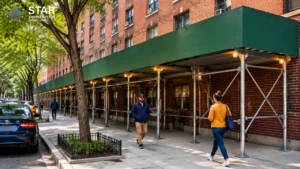
- Access and height. A ground-level garden wall is straightforward. Repairs several stories up, on a tight lot, or above a busy sidewalk often require scaffolding, sidewalk sheds, or lifts, which add meaningfully to the total.
- Building age and construction. Many New York buildings are 80 to 100+ years old, built with lime-based mortars and structural quirks that demand a careful, experienced approach rather than a quick patch.
- Local labor market. Skilled masonry labor in the NYC metro area commands higher rates than in most of the country, and that is reflected in every estimate you receive.
Masonry Repair Costs by Job Type: 2026 New York Market Ranges
The figures below are general New York market ranges, not quotes. Actual pricing varies with scope, materials, and access — and only an on-site estimate can price your specific job.
Brick Repointing (Tuckpointing)
Repointing — raking out deteriorated mortar joints and packing in fresh mortar — is the most common masonry repair in New York. For straightforward wall areas at reachable heights, market pricing in the NYC area broadly falls between $15 and $30 per square foot. A small section of garden wall might run a few hundred dollars, while repointing an entire building facade can reach well into five figures once scaffolding is factored in. Repointing is also the repair most worth doing on time: sound mortar joints are what keep water out of the wall, and deferred repointing is how small jobs turn into rebuilds.
Brick Replacement
When individual bricks are cracked, spalled, or loose, they can be cut out and replaced with matching units. Isolated brick replacement in the New York market generally runs $25 to $75 per brick, depending on how closely the new brick must match and how difficult the location is. Larger areas of replacement are usually priced by the square foot and land in a similar band to repointing, plus the cost of the brick itself.
Stucco Repair
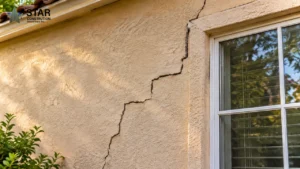
Stucco cracks and delamination are common on New York exteriors after repeated freeze-thaw cycles. Patching and refinishing damaged stucco areas typically falls between $10 and $20 per square foot in the local market, while full brick and stucco restoration across a whole wall or building costs considerably more. Color and texture matching is the skilled part of stucco work — a patch that does not blend will always look like a patch.
Chimney Repair and Rebuilding
Chimneys take the worst beating of any masonry element: constant heat cycling, direct weather exposure, and often decades of neglect. In the New York market, chimney repointing commonly runs $1,000 to $3,000; a partial rebuild of the top courses $3,000 to $7,000; and a full chimney repair and rebuilding project $7,000 to $15,000 or more for tall or complex stacks. A new flue liner, cap, or flashing is often recommended alongside the masonry work, since a rebuilt chimney with a failing liner is a job half done.
Stone and Concrete Block Repairs
Natural stone and concrete block repairs are priced similarly to brick work, with material costs driving most of the variation. Resetting loose stone, rebuilding a section of block wall, or repairing a stone foundation typically lands between $20 and $40 per square foot in the NYC area, before access costs are added.
Why Masonry Work Costs More in New York
Three local realities push New York masonry pricing above national averages. First, freeze-thaw cycling: water enters tiny cracks and joints, freezes, expands, and wedges masonry apart a little more each winter. Repairs here must use proper materials and techniques, or the same damage returns within a couple of seasons. Second, access: dense lots, sidewalk sheds, and multi-story elevations mean scaffolding and logistics are a real line item, not an afterthought. Third, building stock: brownstones, pre-war apartment buildings, and century-old rowhouses across Harlem, Astoria, Yonkers, and the Bronx need craftsmen who understand lime mortar and historic construction — and that expertise has a price.
Simple Maintenance That Prevents Expensive Masonry Repairs
The cheapest masonry repair is the one you never need. A few habits go a long way:
- Keep water moving away from walls. Clean gutters, working downspouts, and proper grading prevent the saturation that destroys mortar joints.
- Repoint early. When mortar joints start to recess or crumble, schedule repointing before water gets behind the brick.
- Seal with care. Breathable masonry sealers can help on some walls, but the wrong sealer traps moisture — get advice before applying anything to historic brick.
- Watch your chimney. A cracked crown or missing cap lets water straight into the flue and the masonry around it. Annual chimney checks catch small issues early.
- Do not ignore small cracks. Hairline cracks from settlement or thermal movement are normal; cracks that grow, stair-step through mortar joints, or admit water deserve a professional look.
When Repair Is Enough — and When It Is Not
Repointing and isolated brick replacement solve most masonry problems when the wall behind them is still sound. But some conditions mean patching is throwing money away:
- Bulging or leaning walls signal structural movement — the wall likely needs partial dismantling and rebuilding, not surface repair.
- Widespread spalling (brick faces popping off across large areas) usually means the brick itself is failing, and replacing whole sections is the durable fix.
- Chronic water entry despite past repairs points to failed flashing, missing weeps, or deeper envelope problems that masonry patching alone will not solve.
A reputable contractor will tell you honestly which category your wall falls into — and show you the evidence, not just the conclusion.
How to Get an Accurate Masonry Repair Estimate
A useful estimate is specific: it should describe the repair method (repointing, replacement, or rebuild), the approximate area, the mortar type and brick match, access arrangements, and what is excluded. Be cautious of quotes given sight-unseen or priced far below every competitor — masonry is labor-intensive, and there is no shortcut around it. Ask how the contractor will match your existing brick and mortar, what the plan is for weather protection during the work, and whether the price includes scaffolding and cleanup.
Frequently Asked Questions
How much does brick repointing cost in New York?
In the NYC metro market, repointing generally falls between $15 and $30 per square foot depending on height, access, and mortar matching. Small jobs can cost a few hundred dollars, while full facades run much higher once scaffolding is included. An on-site estimate gives the exact figure for your building.
Is it cheaper to repair or replace damaged brick?
Repairing — repointing sound bricks or replacing isolated damaged units — is almost always cheaper than rebuilding whole wall sections. Replacement becomes the economical choice only when damage is widespread, since repeated patch repairs add up without lasting.
How long does masonry repair take?
Minor repointing or a small chimney repair often takes one to three days. Larger facade or rebuild projects can take one to several weeks, depending on scope, weather, and scaffolding requirements.
Can masonry be repaired in winter in New York?
Yes, with precautions. Mortar needs protection from freezing while it cures, so winter work calls for enclosures, heating, or cold-weather mortar mixes. An experienced contractor plans the work around temperature conditions.
Do I need a permit for masonry repair in NYC?
Minor repointing and in-kind repairs often do not require a DOB permit, but larger facade work, structural repairs, or jobs needing sidewalk sheds usually do. Your contractor should advise you on permits based on the scope before work begins.
Star Construction INC provides free, no-obligation estimates for masonry repair across New York City, Westchester, and the surrounding areas — from Jerome Park and the Village of Pelham to Flushing, Bayside, and White Plains. Call +1 (516) 998-4133 to schedule an on-site evaluation and get a clear, itemized price for your project.
Masonry Repair Cost Tables: Typical New York Market Ranges
The table below pulls the ranges discussed above into one place so you can compare services at a glance. These are typical New York market ranges for masonry repair cost in New York, not quotes and not Star Construction’s own prices: every job is priced on site after an inspection, and access, height, and material matching can move a job well outside these bands.
| Service | Typical New York market range | How it is usually priced |
|---|---|---|
| Brick repointing (tuckpointing) | $15–$30 per square foot | Per square foot of wall area; small sections may be a few hundred dollars |
| Brick replacement | $25–$75 per brick | Per brick for isolated units; larger areas priced per square foot plus brick cost |
| Stucco patch repair | $500–$2,500 | Per patched area, depending on size and texture matching |
| Full stucco wall restoration | $5,000–$15,000+ | Per wall or elevation, including base coats and finish matching |
| Chimney repointing and minor repair | $1,500–$4,000 | Per chimney, depending on height and access |
| Chimney partial or full rebuild | $7,000–$15,000+ | Per chimney; tall or complex stacks cost more |
| Parapet repair | $1,000–$5,000 for repairs; five figures for a full rebuild | Per parapet section; access and coping work drive the total |
| Stone and concrete block repair | $25–$75 per square foot | Per square foot, similar to brick, with material cost varying by stone type |
What Pushes a Job to the Top of Its Range?
Two jobs with the same description can land at opposite ends of a range. The most common reasons are access and height: a ground-level wall needs a ladder and a mixer, while the same repair several stories up needs scaffolding, sidewalk protection, and hoisting, all of which add labor days before a single joint is touched. Material matching is the second driver. Standard modern brick is easy to source; historic, handmade, or discontinued brick, custom-matched stucco color and texture, and natural stone that must be cut to size all add cost and lead time. The third driver is hidden damage: mortar that looks tired on the surface can hide saturated backup masonry, corroded ties, or failed flashing, and a responsible estimate will flag what is unknown rather than pretend it is not there.
Per-Service Cost Factors in More Detail
Repointing cost depends on joint depth and mortar type. Shallow, soft joints on a small garden wall are quick work; deep joints on a tall facade, especially where lime-based mortar must be matched to a historic building, take longer and demand a more experienced hand. Brick replacement cost turns on quantity and matching: replacing five bricks is a small job, while replacing a whole band of spalled brick across a facade is priced closer to repointing rates plus the brick itself. Stucco cost turns on patch versus full coat: a small crack repair is straightforward, but delaminated stucco that has lost its bond must be removed back to sound material, and the new finish must be blended so the patch does not read as a scar. Our detailed guide to stucco repair cost in New York breaks down patch, recoat, and full-wall pricing in more depth.
Chimney cost turns on height, condition, and what else the stack needs: a crown repair, a new cap, a flue liner, or new flashing each add a line to the estimate, and a chimney that is also leaning or spalling may need partial rebuilding rather than repointing alone. If you are weighing those two paths, our comparison of chimney repair vs rebuild explains how to tell which your chimney needs. Parapet cost turns on access and on the coping and flashing at the roofline, which are often the real cause of the damage below. When you compare estimates, work with masonry contractors in New York who itemize masonry, coping, flashing, and access separately, so you can see exactly what is driving the total.
More Frequently Asked Questions
How much does parapet repair cost in New York?
As a general New York market range, parapet repairs typically run $1,000–$5,000 for repointing, coping, and localized brick work, while a full parapet rebuild can reach five figures, depending on length, height, and access. Sidewalk protection and scaffolding are often the largest cost variables.
How does stucco repair cost compare with brick repointing?
Small stucco patch repairs often cost less than a large repointing job, because the patched area is smaller, but full stucco restoration of a whole wall usually costs more, since it involves removing failed material, applying base and finish coats, and matching color and texture across the elevation. Repointing, by contrast, is priced per square foot of joints and scales with wall area.
Masonry Repair Costs by Building Type
Building type shapes masonry pricing as much as the repair itself. Brownstones and pre-war rowhouses often carry ornamental stone, carved lintels, and historic brick that must be matched piece by piece, and their facades are frequently tall and tight to the sidewalk, which adds access cost. Apartment buildings add scale: a repointing job measured in thousands of square feet benefits from volume pricing per square foot, but also requires coordinated access, sidewalk sheds, and sometimes work phased around tenants. Small commercial buildings and garden walls sit at the other end: lower height and simpler access usually keep them at the bottom of the range, unless the wall is structural or retaining, in which case engineering input enters the estimate.
Age matters within each type. A 1920s building with lime mortar cannot be repointed with hard modern Portland cement without risking damage to the softer historic brick, so the mortar must be analyzed and matched, which takes time and skill. A newer concrete block building is more forgiving on materials but may hide steel reinforcement or waterproofing details that complicate a repair. When a contractor asks about your building’s age and construction before quoting, that is a good sign: it means the estimate is being built around your wall, not a generic rate.
Reading a Masonry Estimate Line by Line
A useful estimate separates labor, materials, access, and extras, and it names the repair method for each area of wall. Look for the square footage or linear footage being repointed, the number of bricks being replaced, the type of mortar specified, and whether coping, flashing, sealing, or cleanup are included. Vague lines such as “repair brick wall” with a single lump sum make it impossible to compare bids or to know what was actually done when the work is finished. Ask what happens if hidden damage is found once work starts: a good contractor explains the process for approving additional work in writing, rather than discovering it mid-project.
Also check what is not in the estimate. Permits and filings, sidewalk shed rental, debris removal, and protection of landscaping or neighboring property are real costs that sometimes sit outside the headline figure. An estimate that looks cheaper because it omits access or cleanup is not cheaper once those items appear. The most reliable comparison is between itemized estimates that describe the same scope, and the post’s earlier advice stands: an on-site evaluation is the only way to price a specific wall accurately, because no two masonry problems are exactly alike.
When It Pays to Bundle Masonry Work
Because access is often the largest fixed cost, bundling related work into one mobilization can save real money. If scaffolding is already going up for repointing, it costs far less to replace a handful of spalled bricks, reset coping stones, and reseal flashing during the same visit than to bring the scaffold back for each item separately. The same logic applies to chimneys and parapets: a crew already set up at the roofline can address both in one project. Owners planning facade work should therefore ask the contractor to survey the whole elevation, not just the worst-looking section, and to price the additional items as options. You can then decide with full information, rather than paying for access twice.