Ask three masons what tuckpointing is and you may hear two answers, because the trade uses one word for a repair and another for a finish — and the internet has cheerfully merged them. Here is the short version. Repointing is the repair: removing failed mortar from the joints of a brick or stone wall and packing in fresh mortar matched to the original. Tuckpointing, properly, is a decorative finish: a fine, light-coloured line — the “tuck” — drawn within a mortar joint coloured to match the brick, giving rubble-era brickwork the crisp, ruled appearance of expensive gauged work. In everyday speech, especially in the Midwest, tuckpointing has come to mean repointing itself. What matters for your wall is not the word on the estimate but the work it describes — so let us describe both properly.
Repointing: The Repair Your Wall Is Asking For
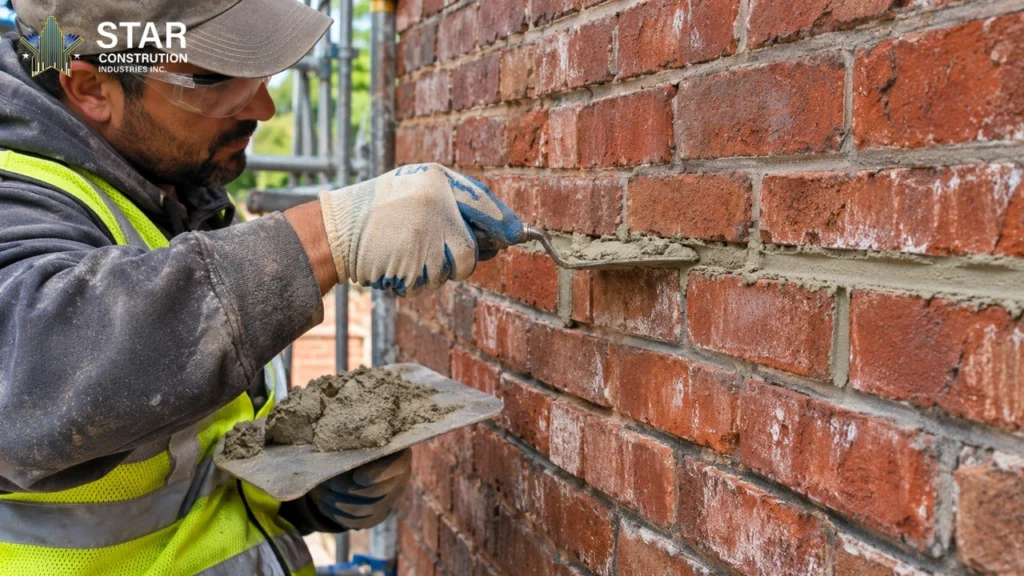
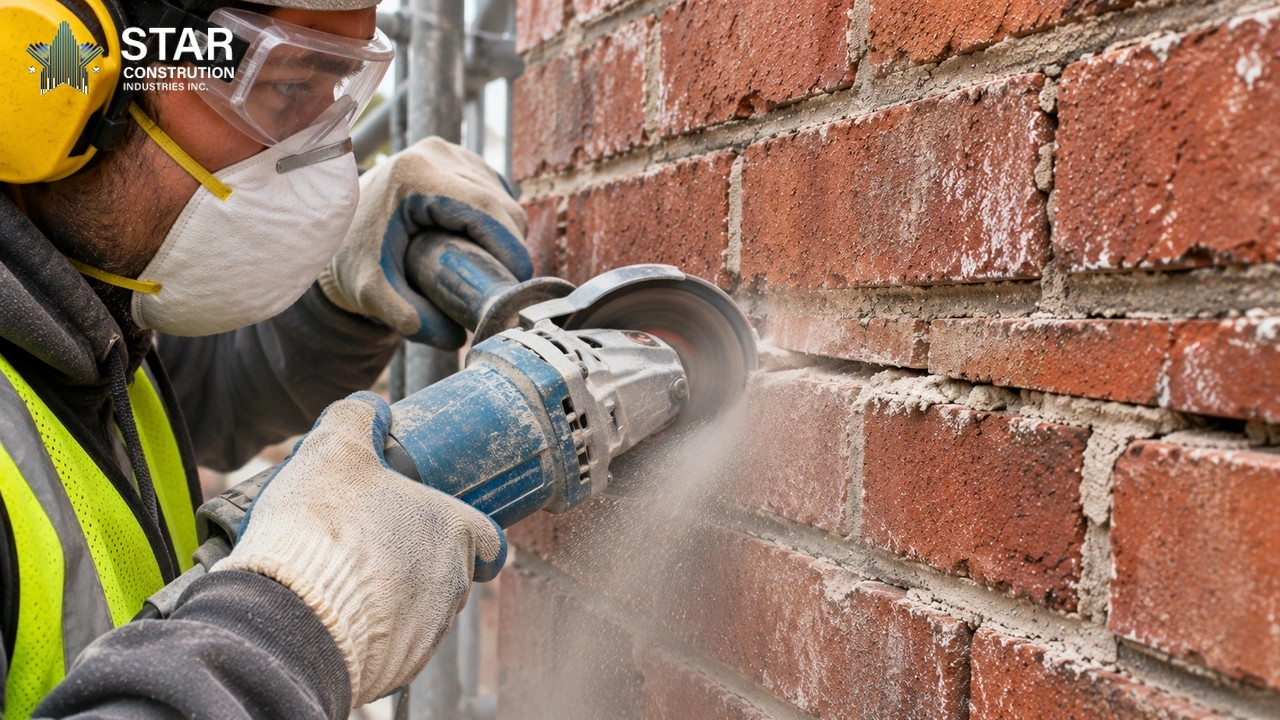
Repointing is structural maintenance, full stop. Mortar is the sacrificial layer of a masonry wall: it is meant to be softer than the brick, to flex with the building’s movement and to weather away over decades so the units survive. When it has weathered — recessed, cracked, crumbling to sand at a fingertip — the wall’s weather seal is gone, and every rainstorm drives water into the joint beds, where freezing widens the damage and interior damp follows. The repair is methodical: the failed mortar is cut or ground out to a sound depth (roughly twice the joint’s width), the joint is cleaned and dampened, and new mortar — matched to the original in strength, so it stays the sacrificial layer, and in colour and sand, so the repair reads as the wall’s own — is packed in layers and tooled to the original profile. Done well by our brickwork repointing contractors, a repointed elevation disappears into the wall; done badly, with hard modern mortar forced against soft old brick, the brick spalls instead of the joint, and the repair becomes the damage.
Tuckpointing: The Finish With the Drawn Line
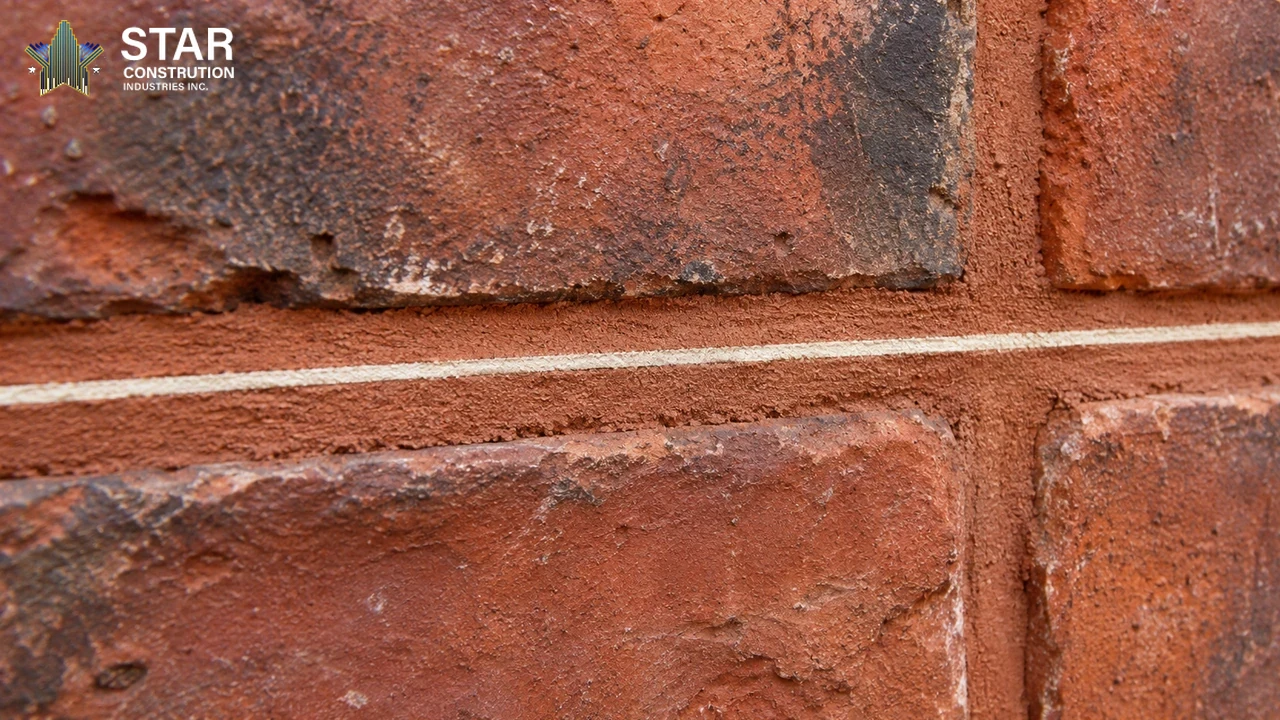
True tuckpointing is the older, fancier craft. In the eighteenth and nineteenth centuries, handmade bricks were irregular, so walls were laid in a mortar coloured to match the brick, and then a fine groove was cut into the still-fresh joint and filled with a thin line of bright lime putty — the tuck — drawn dead straight with a jointer and a straightedge. From the street, an ordinary wall suddenly read as precision-made: uniform bricks, hairline joints. The technique survives today on period restoration, where a building’s documents or its surviving original joints call for that ruled finish. It costs more than plain repointing for an honest reason: after the joint is repointed in the brick-matched colour, a second, fine operation draws the line, joint by joint, at arm’s length, all day. When a contractor uses the word tuckpointing today, though, they almost always mean ordinary repointing — which is fine, provided the estimate describes the actual work: joints cut out, matched mortar, tooled profiles. It is the description, not the label, you are buying.
Which Does Your Home Need?
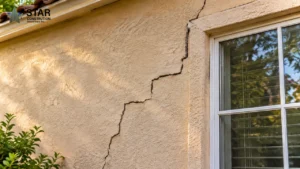
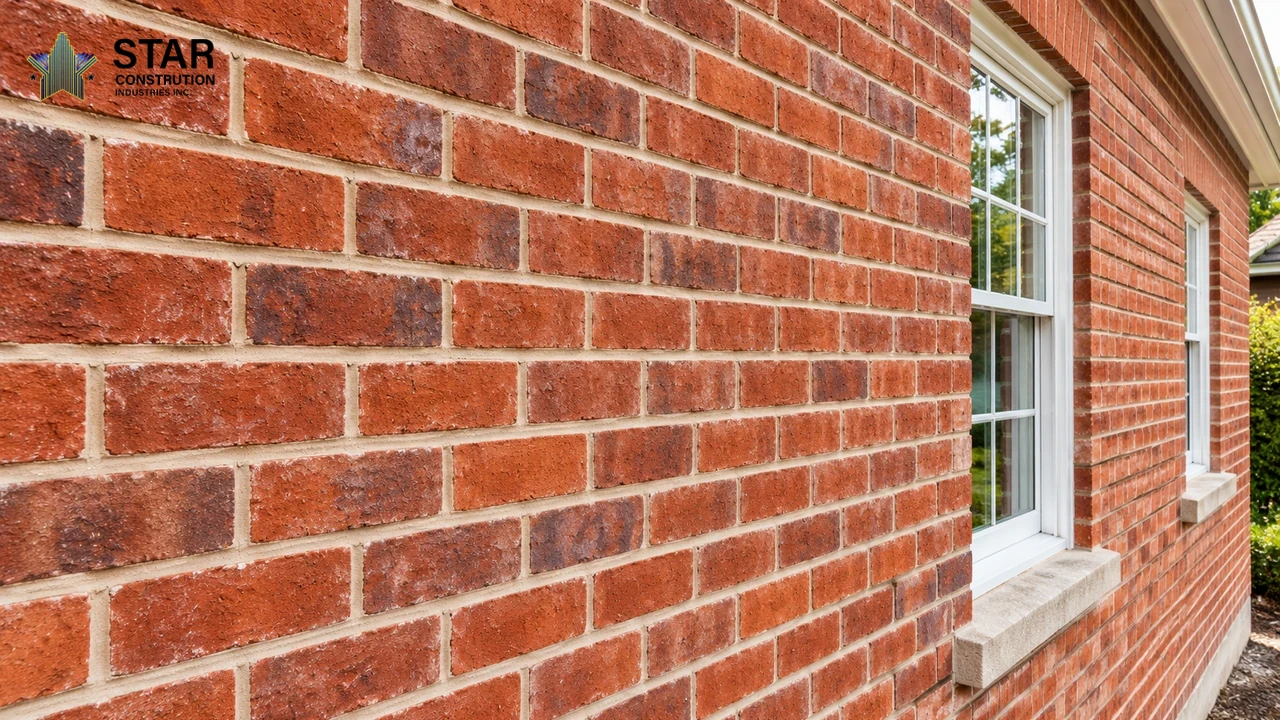
Nearly every home that asks us the question needs repointing. The signs are on the wall: mortar recessed a quarter inch or more, joints cracked or sandy, damp patches inside after wind-driven rain, bricks beginning to show stepped cracking at the corners where water has done its slow work. Our masonry contractors see the full range across the area — including the pre-war brick homes our masonry contractors in Village of Pelham repoint each season, where matching a century-old mortar is most of the craft. Tuckpointing-the-finish is needed rarely and specifically: a historic facade whose original joints carried the drawn line, where restoration means restoring that line. And if an estimate promises “tuckpointing” at a suspiciously fine price, ask the two questions that settle everything: how deep will you cut the joints, and what mortar will you pack them with? A real answer names a depth and a matched, softer-than-the-brick mix. Anything vaguer is pointing at a word, not a wall. Star Construction INC has repointed brick and stone across the New York area since 2018; request a free, no-obligation estimate and we will read your joints and tell you plainly which word — and which work — your home needs. The areas we cover are on our service areas page.
Frequently Asked Questions
So is tuckpointing just another word for repointing?
In modern everyday usage, often yes — many contractors use tuckpointing to mean removing and replacing failed mortar. Strictly, repointing is that repair, while tuckpointing is a decorative finish: a fine light line drawn within a joint coloured to match the brick. Always judge an estimate by the work it describes, not the label.
How can I tell if my brick home needs repointing?
Look at the joints: mortar recessed well back from the brick face, cracked, crumbling or sandy to the touch, damp appearing indoors after rain, and early stepped cracks at corners all say the joints have stopped sealing the wall. A mason can confirm how deep the failure goes.
Why does the replacement mortar have to match the old one?
Mortar must stay softer and more breathable than the brick so it remains the sacrificial layer. Hard modern mortar traps moisture in the units and forces freeze-thaw damage into the brick faces, which spall — an expensive injury caused by a cheap shortcut.
How deep should old mortar be removed before repointing?
As a rule, to about twice the width of the joint, or until sound mortar is reached — shallow smears over old mortar fail within a few seasons. The depth named in an estimate is one of the clearest signs of a serious repointing job.
Which costs more, repointing or tuckpointing?
Repointing is priced by area and joint condition. True tuckpointing costs more than plain repointing of the same wall because the drawn finish line is a second, slow operation over every joint — it is normally specified only where a period facade’s original finish calls for it.