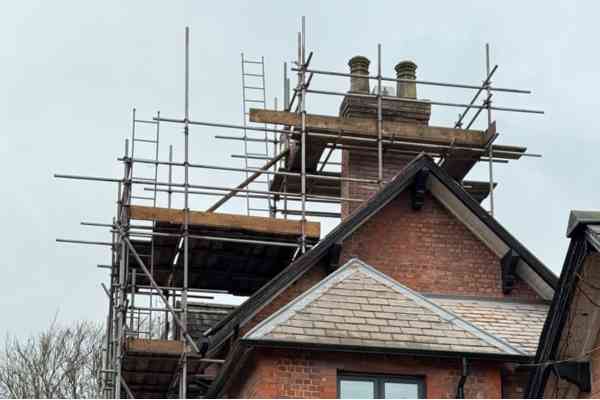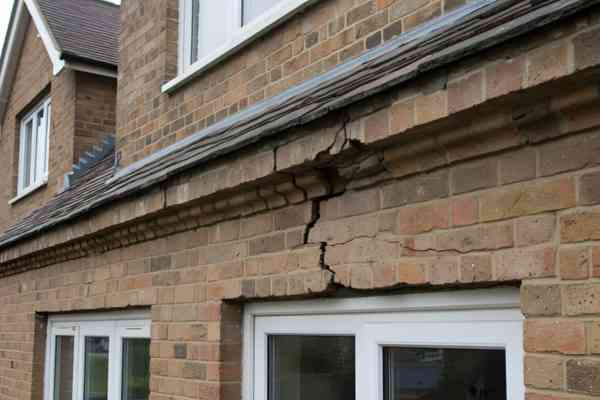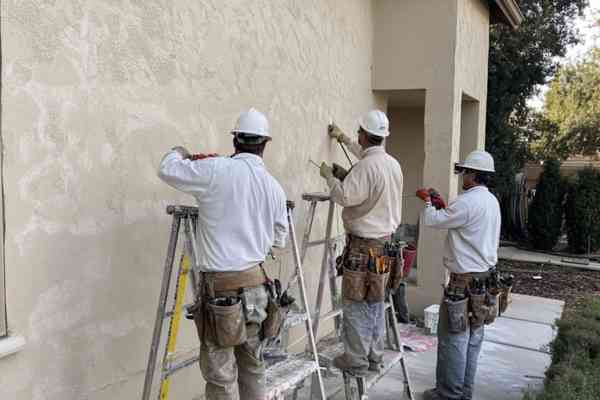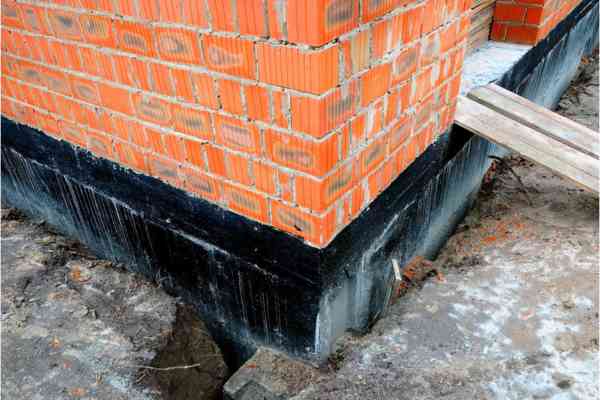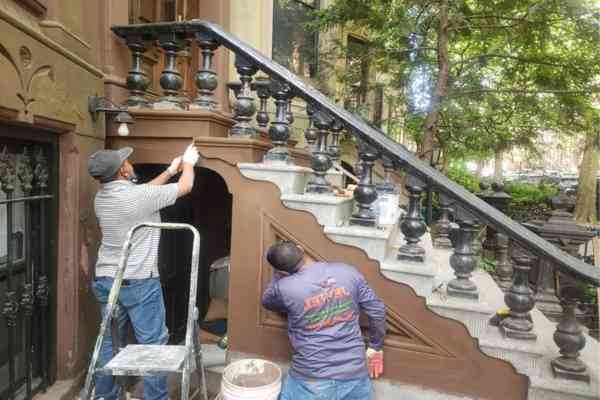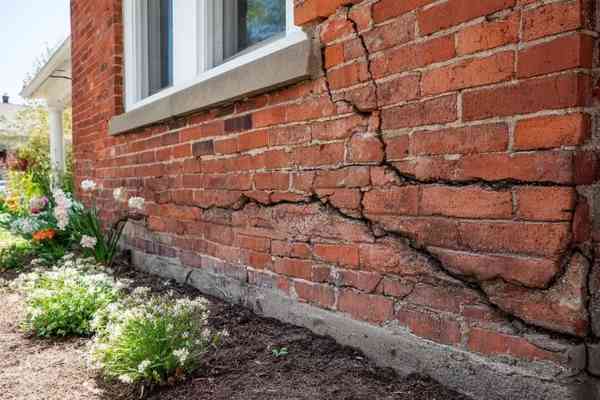
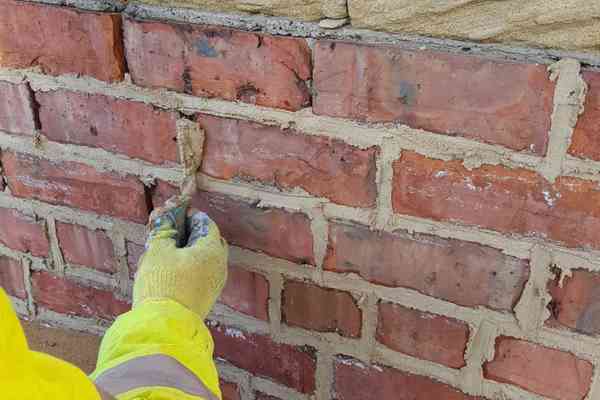
Every project begins with a detailed inspection of the masonry system to assess mortar deterioration, joint depth, cracking patterns, and moisture penetration points. We evaluate the condition of surrounding bricks to determine whether selective repairs or full repointing is required.
Material compatibility is a key factor in successful repointing. We select mortar mixes that match the original composition in strength, permeability, and flexibility. This ensures proper bonding without causing stress to adjacent brick units, which is essential for maintaining long-term structural balance. On mixed facades, stucco repair and reapplication is scheduled alongside repointing so both surfaces cure and finish together.
Our execution process involves carefully removing weakened mortar to a controlled depth, cleaning joints, and applying new mortar using proper compaction and finishing techniques. We ensure consistent curing and joint alignment for a durable and uniform appearance. Our services are tailored for residential properties, commercial buildings, and multi-unit structures, delivering masonry systems that resist moisture intrusion, maintain structural integrity, and reduce ongoing maintenance needs. Where inspection finds units that are themselves cracked or spalled, brick crack repair and replacement is completed first, so new mortar is not pointed into a wall whose bricks are still moving.
Brick pointing and repointing refer to the process of restoring or replacing mortar joints between masonry units. Pointing is typically performed during new construction, while repointing involves removing deteriorated mortar and installing new material to reinforce existing structures.
The process requires precision removal of damaged mortar without affecting surrounding bricks, followed by proper joint preparation and application of fresh mortar. Correct mortar selection and installation techniques are essential to ensure long-term adhesion and durability.
Property owners need repointing when mortar begins to crack, erode, or lose bonding strength. Damaged joints allow water to penetrate the masonry system, leading to internal deterioration and structural instability. Properly executed repointing restores the integrity of the wall, improves resistance to moisture, and enhances overall building performance. Cracking above windows and doors can also point to steel support problems, and in those cases lintel and shelf angle repair is addressed before repointing, since fresh mortar alone cannot carry a failing lintel.

Every successful build begins with proper evaluation, planning, and method selection to ensure structural stability and long-term performance.
We perform complete repointing for aging or deteriorated masonry systems. This involves removing existing mortar joints and replacing them with high-performance mortar to restore structural strength and weather resistance.
For localized damage, we provide targeted joint repairs to address specific areas of deterioration. This approach preserves surrounding masonry while reinforcing compromised sections.
We carefully match mortar color, composition, and texture to maintain architectural consistency. This ensures seamless integration with existing masonry surfaces.
When bricks are damaged along with mortar joints, we replace affected units and restore surrounding joints to maintain structural integrity and alignment.
We apply protective sealants to mortar joints to enhance resistance against water penetration. This helps extend the lifespan of the masonry system and prevents recurring damage.
We specialize in repointing older and historic structures using compatible materials and techniques that preserve structural balance and original appearance.
If you are searching for brick pointing & repointing contractors near me in New York, choosing a contractor with a deep understanding of masonry systems is essential. Improper repointing can cause more damage than it resolves, especially when incorrect mortar is used.
At Star Construction INC, we follow a structured evaluation process to determine the exact condition of mortar joints and surrounding masonry. Our approach ensures that repairs are designed to improve long-term performance rather than provide temporary fixes.
New York’s climate exposes masonry to freeze-thaw cycles, heavy moisture, and temperature variations that accelerate mortar deterioration. We use durable materials and controlled installation techniques to ensure your masonry remains sealed, stable, and resistant to environmental stress. Our solutions are focused on protecting your property while reducing the need for frequent repairs. For owners planning a masonry budget, our guide to masonry repair costs in New York explains what drives the price of repointing and related repairs.
Our clients value the consistency, structural precision, and long-term performance we deliver on every project, from initial planning through final execution.

 Jav V
Trustindex verifies that the original source of the review is Google.
Got my bathroom remodel Team was professional on time Thank you Ever fernando Perez saldañaCrear Word
 LUIS CAYOi hire them for my home project. and everyting went smoothly. no delays
 Shahid IqbalVery reliable contractor. They did exactly what they promised and the quality was excellent. Would definitely recommend.
Contact us now to discuss your project and receive a no-obligation quote from our experts.
Every project is handled through a defined process that ensures accuracy, efficiency, and long-term structural performance from start to finish.
We begin by reviewing site conditions, understanding project objectives, and identifying structural requirements to establish a clear and practical direction before any work begins.
A detailed execution plan is developed, including material selection, sequencing of work, and coordination of labor to maintain consistency and avoid delays during construction.
Work is carried out using proven installation methods, with attention to structural integrity, proper reinforcement, and adherence to safety and quality standards.
A final walkthrough is conducted to verify workmanship, resolve any outstanding details, and ensure the completed project meets performance expectations and durability standards.
Proper brick pointing and repointing significantly improve the performance and lifespan of masonry structures.
Replacing deteriorated mortar strengthens the bond between bricks, improving load distribution and overall structural stability. This prevents movement and reduces the risk of wall failure.
Newly installed mortar joints act as a barrier against water infiltration. This protects internal structures from moisture damage, mold growth, and long-term deterioration.
Repointing extends the lifespan of masonry systems by addressing weak points before they develop into larger structural issues. This ensures consistent performance over time.
By restoring mortar joints early, property owners can avoid costly repairs caused by water damage and structural deterioration, resulting in lower long-term maintenance expenses.
Signs include crumbling mortar, visible gaps between bricks, and moisture penetration inside walls. Look for mortar that powders when scratched, joints that have receded from the brick face, and damp patches or efflorescence on interior walls after rain. In New York, freeze-thaw cycles widen small joint failures quickly, so early signs are worth an inspection before the next winter.
Typically, mortar is removed to a depth of about ¾ inch to ensure proper bonding of new material. That depth gives the new mortar enough body to grip the joint without cutting so deep that surrounding bricks are disturbed. Deeper removal is used only where deterioration extends further back, and the joint is then cleaned and dampened before fresh mortar is packed in.
Yes, properly installed mortar joints significantly reduce water infiltration and protect internal structures. Sound joints keep wind-driven rain out of the wall cavity, where trapped moisture would otherwise freeze, expand, and loosen bricks. Repointing works best as part of a dry wall system, so failed sealants and flashing defects should be corrected alongside the joint work.
When done correctly, repointing can last several decades depending on environmental conditions and maintenance. Longevity depends on mortar compatibility, exposure, and upkeep: a well-matched mix on a sheltered wall outlasts a hard, mismatched mix on a windward elevation. Periodic inspection and prompt spot repairs keep small joint failures from spreading across a facade.
Yes, we provide brick pointing and repointing services for residential, commercial, and multi-unit properties. Residential work often focuses on facades, chimneys, and garden walls, while commercial and multi-unit projects cover larger elevations and common-area masonry. Scheduling and staging are planned around occupants and building operations, and maintenance programs keep large portfolios’ joints in sound condition.