Our repair process begins with a detailed structural inspection to assess the condition of steel lintels and shelf angles. We identify corrosion levels, masonry displacement, cracking patterns, and any signs of compromised load distribution. This evaluation allows us to determine whether reinforcement, partial replacement, or full structural correction is required.
Material selection is essential for long-term performance. We utilize corrosion-resistant steel components, protective coatings, and compatible masonry materials to ensure durability under New York’s environmental conditions. Proper flashing and waterproofing elements are also incorporated to prevent future moisture intrusion.
Execution involves careful removal of affected masonry sections, treatment or replacement of steel components, and reconstruction of the surrounding structure. We ensure proper alignment, load transfer, and integration with the existing façade. Our services are tailored for residential buildings, commercial properties, and multi-unit structures, providing reliable structural reinforcement while maintaining the architectural integrity of the exterior system.
Lintel and shelf angle repair is a specialized structural service focused on restoring or replacing steel components that support masonry above openings and along building façades. These elements distribute loads and maintain alignment within exterior wall systems.
The process involves exposing the affected areas, addressing corrosion or deterioration, and either reinforcing or replacing the damaged steel. Once structural stability is restored, masonry is rebuilt and properly integrated with the repaired components to ensure consistent load distribution.
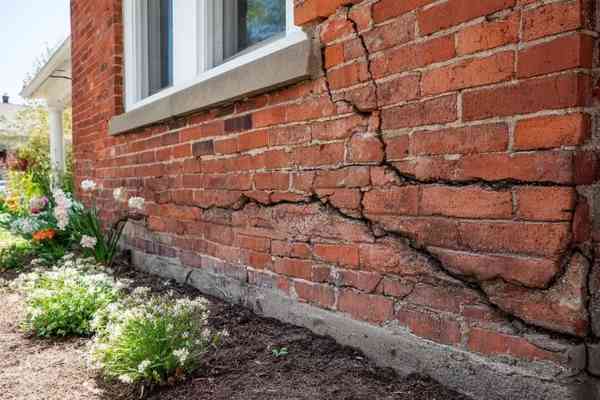
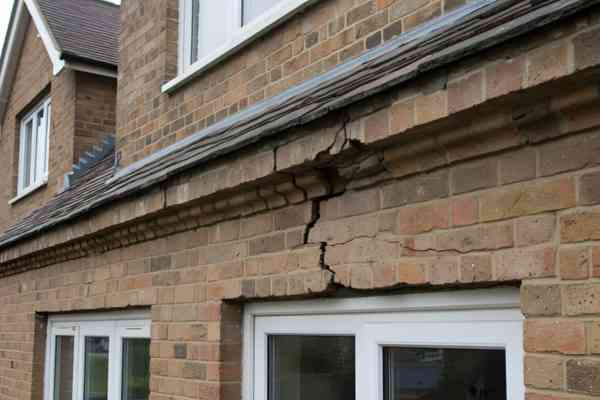
Property owners require this service when visible cracking, sagging brickwork, or rust staining appears around openings. Timely repair prevents further structural damage, improves load-bearing performance, and protects the building envelope from moisture infiltration and long-term deterioration.
Because lintel and shelf angle failures often appear alongside other facade deterioration, this work is planned as part of broader facade repair and restoration, and it frequently pairs with brick pointing and repointing around the rebuilt masonry.

Every successful build begins with proper evaluation, planning, and method selection to ensure structural stability and long-term performance.
We remove deteriorated lintels and install new corrosion-resistant steel components designed to handle structural loads while improving long-term performance and stability.
Damaged shelf angles are repaired or reinforced to restore proper load distribution across façade sections, preventing further masonry displacement.
We treat exposed steel components with protective coatings and rust inhibitors, reducing the risk of future deterioration caused by moisture and environmental exposure.
After repairs, we reconstruct surrounding brick or stonework, ensuring proper bonding, alignment, and structural integration with the repaired elements.
We install or upgrade flashing systems around lintels and shelf angles to prevent water infiltration, a primary cause of steel corrosion and structural damage.
We address cracks caused by failing lintels or angles, restoring stability and ensuring that loads are properly redistributed throughout the structure.
If you are searching for lintel & shelf angle repair contractors near me in New York, it’s essential to choose a contractor with experience in structural masonry systems. These components are critical to load-bearing performance, and improper repairs can lead to further damage.
At Star Construction INC, we conduct thorough structural evaluations to identify the root cause of deterioration. Our repair approach focuses not only on replacing damaged components but also on addressing moisture intrusion and environmental stress factors that contribute to long-term failure.
New York’s climate, including frequent freeze-thaw cycles and humidity, accelerates corrosion in exposed steel elements. Our repair solutions incorporate protective systems and proper installation techniques to ensure long-term structural stability, improved durability, and reduced maintenance requirements for your building.
For a broader overview of how facade systems are assessed and restored, see our facade repair and restoration guide for New York, which explains how structural supports, masonry, and waterproofing work together.
Our clients value the consistency, structural precision, and long-term performance we deliver on every project, from initial planning through final execution.

 Jav V
Trustindex verifies that the original source of the review is Google.
Got my bathroom remodel Team was professional on time Thank you Ever fernando Perez saldañaCrear Word
 LUIS CAYOi hire them for my home project. and everyting went smoothly. no delays
 Shahid IqbalVery reliable contractor. They did exactly what they promised and the quality was excellent. Would definitely recommend.
Contact us now to discuss your project and receive a no-obligation quote from our experts.
Every project is handled through a defined process that ensures accuracy, efficiency, and long-term structural performance from start to finish.
We begin by reviewing site conditions, understanding project objectives, and identifying structural requirements to establish a clear and practical direction before any work begins.
A detailed execution plan is developed, including material selection, sequencing of work, and coordination of labor to maintain consistency and avoid delays during construction.
Work is carried out using proven installation methods, with attention to structural integrity, proper reinforcement, and adherence to safety and quality standards.
A final walkthrough is conducted to verify workmanship, resolve any outstanding details, and ensure the completed project meets performance expectations and durability standards.
Proper repair of structural support components is essential for maintaining the safety and performance of masonry buildings.
Repairing or replacing damaged lintels and shelf angles ensures that loads are properly supported, preventing sagging, cracking, and structural instability.
By integrating flashing and protective coatings, repairs reduce water infiltration, which is a leading cause of steel corrosion and masonry damage.
Addressing structural issues early prevents further deterioration, helping to preserve both the framework and exterior façade over time.
Timely repairs minimize the need for extensive reconstruction, lowering future maintenance expenses and protecting property value.
Lintels and shelf angles are structural steel components that support masonry above openings and distribute loads across building facades. A lintel spans an opening such as a window or door, while a shelf angle supports brickwork at floor lines along a facade. In New York, these components are especially vulnerable where driving rain, snowmelt, and freeze-thaw cycles accelerate corrosion at exposed steel edges.
Lintel and shelf angle damage is most often caused by corrosion from moisture exposure, improper waterproofing, and long-term structural stress. When water reaches unprotected steel, rust expands and pushes against the surrounding masonry, producing cracks and displacement. New York buildings face added pressure from seasonal temperature swings, de-icing salts near sidewalks, and aging flashing details that no longer shed water as intended.
Repairs are needed when you see cracked brickwork, rust stains, sagging masonry, or visible displacement around windows or doors. Stair-step cracking above an opening and bowing brick courses are also common warning signs that a support has weakened. Because these symptoms can worsen through a New York winter, an early structural inspection helps determine whether reinforcement or replacement is the right response.
Damaged lintels can often be reinforced, but severely corroded components usually require replacement. Reinforcement is appropriate when the steel retains enough sound section to carry its loads after treatment and protection. When corrosion has thinned the steel substantially, replacement with new, corrosion-resistant steel gives the masonry above a reliable support for the long term.
Yes, lintel and shelf angle repairs are provided for residential, commercial, and multi-unit properties. Larger buildings often need phased work so that occupied floors and entrances remain usable while supports are exposed, repaired, and rebuilt. That staged approach is common on New York apartment buildings and commercial facades, where work must be sequenced floor by floor.