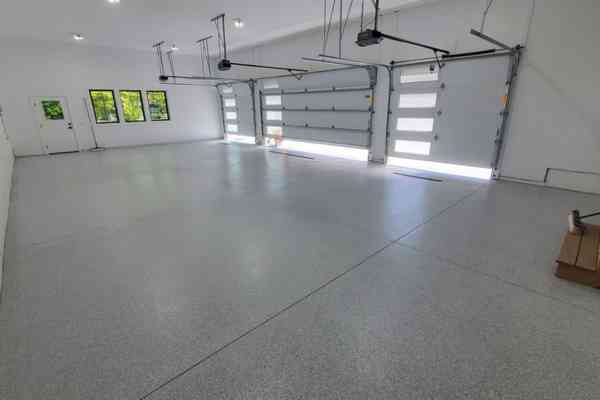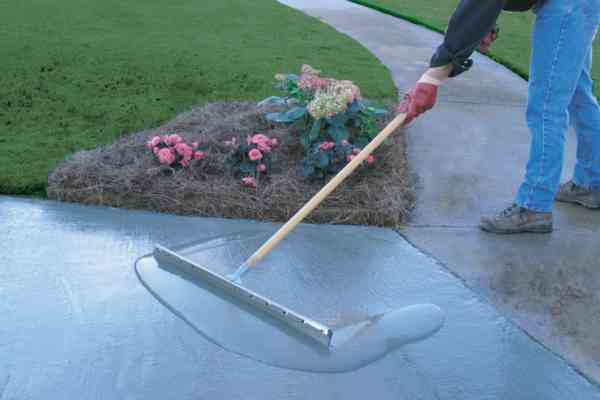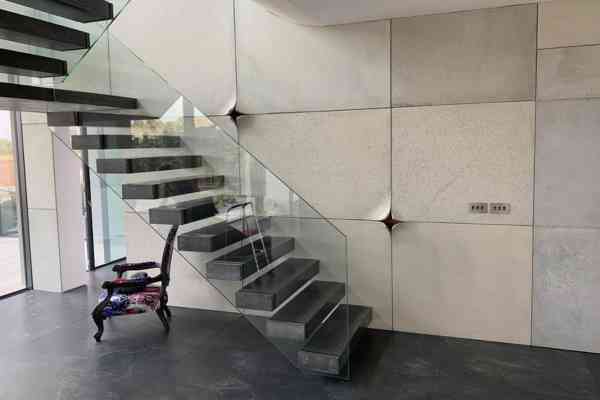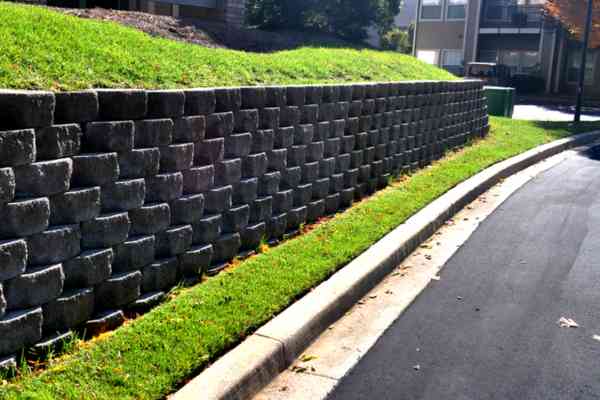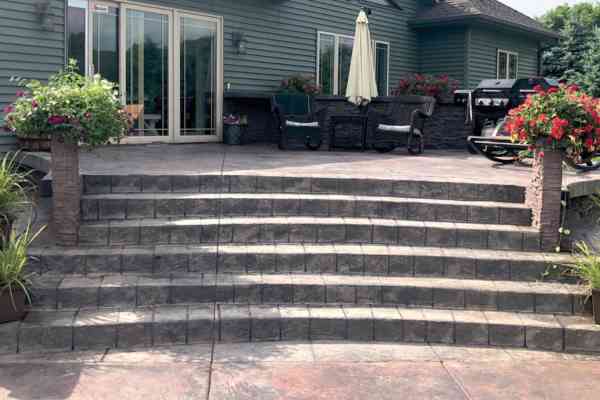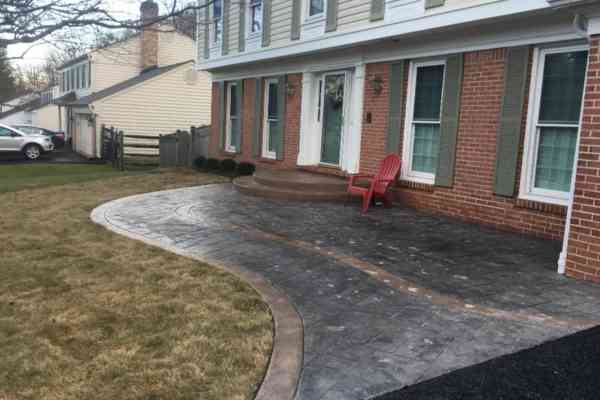

As concrete contractors in New York, we handle the full range of residential and light-commercial concrete work in Astoria — repairs, replacements, and new installations. Star Construction INC serves all of our service areas with durable, code-compliant concrete work. That range covers the concrete Astoria owners live with every day. Sidewalks along 30th Avenue and Broadway take foot traffic, delivery carts, and winter salt, while driveways and rear yards in Astoria Heights and the Ditmars area must handle cars and the roots of mature street trees. We look first at why a slab failed — whether water is pooling at a low spot, a tree root is lifting a corner, the base has washed out, or a thin, unreinforced pour has reached the end of its life — because the right repair depends on the cause, not the crack. For pre-war walk-ups and attached row homes, that often means replacing sidewalk flags to NYC DOT standards, rebuilding a settled stoop, or resurfacing a driveway that is sound underneath but scaled on top. New work is built for the same conditions: a compacted base, reinforcement where movement is expected, air-entrained concrete for freeze-thaw cycles, control joints placed to manage cracking, and a finish that sheds water instead of holding it against the building. When a slab sits near a mature street tree, we discuss root-friendly options and the limits of any repair, so owners understand what will last and what will need watching.
Concrete work in Astoria must withstand freeze-thaw, de-icing salts, and clay soils that shift with moisture. We assess cracking, settlement, and spalling; remove failed sections; prepare compacted aggregate bases; install reinforcement; and pour air-entrained concrete with proper control joints. For repairs, we use polymer-modified materials that bond to existing concrete and resist salt damage. In Astoria, that sequence changes with the location. A sidewalk flag on Broadway or 30th Avenue must meet NYC DOT requirements and keep an even walking surface for shoppers and residents, while a driveway apron in the Ditmars area must handle vehicle loads and drainage toward the street, not back toward a garage or areaway. Around mature street trees, we check root growth before choosing between a full replacement, a partial panel, or a repair that leaves room for the tree to keep growing. For stoops and areaways beside pre-war brick walk-ups, we also check how water moves off the steps and whether a new slab will change drainage against the foundation.

Homeowners, landlords, and businesses across Astoria call us for cracked driveways, settled sidewalks, spalling stoops, and new patios. We provide free assessments, clear pricing, and work scheduled around your needs — with minimal disruption to tenants and neighbors. In Western Queens, that includes the driveways, sidewalks, and patios of brick rowhouses, multi-family homes, and pre-war apartment buildings around Ditmars and Steinway, where the same freeze-thaw and salt damage shows up across shared walkways and aprons. That help starts with a walk-through of the damaged area and the ground around it: we note trip hazards, drainage, tree roots, and any NYC DOT violation notice, then explain whether a repair will hold or a replacement is the safer choice. Around 30th Avenue, Broadway, and Ditmars Boulevard, we also plan access and curing time around shops, schools, and busy sidewalks, so a new slab is protected while it sets and neighbors can still get through.
Our clients value the consistency, structural precision, and long-term performance we deliver on every project, from initial planning through final execution.


 Trustindex verifies that the original source of the review is Google.
 Trustindex verifies that the original source of the review is Google.
 Trustindex verifies that the original source of the review is Google.
 Trustindex verifies that the original source of the review is Google.
Contact us now to discuss your project and receive a no-obligation quote from our experts.
Every project is handled through a defined process that ensures accuracy, efficiency, and long-term structural performance from start to finish.
We begin by reviewing site conditions, understanding project objectives, and identifying structural requirements to establish a clear and practical direction before any work begins.
A detailed execution plan is developed, including material selection, sequencing of work, and coordination of labor to maintain consistency and avoid delays during construction.
Work is carried out using proven installation methods, with attention to structural integrity, proper reinforcement, and adherence to safety and quality standards.
A final walkthrough is conducted to verify workmanship, resolve any outstanding details, and ensure the completed project meets performance expectations and durability standards.
Durable concrete starts below the surface. Here is our approach for Astoria.
Astoria sees dozens of freeze-thaw cycles each winter. We specify air-entrained concrete with proper water-cement ratios — the key to preventing the surface scaling and cracking that destroys cheap pours within a few seasons.
Most concrete failures trace to inadequate base preparation. We excavate to stable soil, install compacted aggregate bases, and use wire mesh or rebar reinforcement — preventing the settlement and cracking common in rushed installations.
NYC DOT holds property owners responsible for sidewalk maintenance. We replace defective sidewalk flags to DOT specifications, helping Astoria owners clear violations and avoid liability from trip-and-fall claims.
De-icing salts deteriorate standard concrete. We use sealers and finishes formulated to resist salt damage, extending the life of driveways, walkways, and stoops exposed to winter maintenance.
A typical residential driveway (600-800 sq ft) ranges from $6,000 to $12,000 depending on thickness, reinforcement, and site access. Repairs are less. We provide free on-site estimates with detailed breakdowns. For sidewalk projects, see our breakdown of sidewalk replacement costs in NYC.
Hairline cracks and surface spalling can often be repaired with polymer overlays or patching. Structural cracks, severe settlement, or widespread deterioration require replacement. We assess honestly and recommend the most cost-effective lasting solution.
Yes. We replace defective sidewalk flags to DOT specifications, which is required to dismiss violations. We understand the permit process and ensure work passes DOT inspection.
Pedestrian traffic: 24-48 hours. Vehicle traffic: 7 days minimum. Full strength develops over 28 days. We schedule work to minimize disruption and provide clear guidance on when surfaces can be used.
Freeze-thaw cycles, inadequate base preparation, tree root pressure, and de-icing salts are the main culprits. Proper installation with air-entrained mixes, control joints, and compacted bases prevents most cracking.