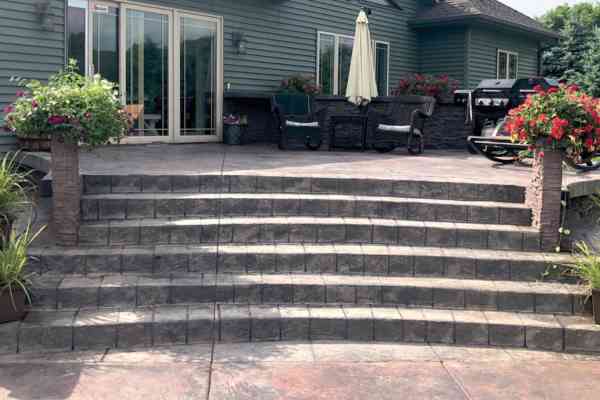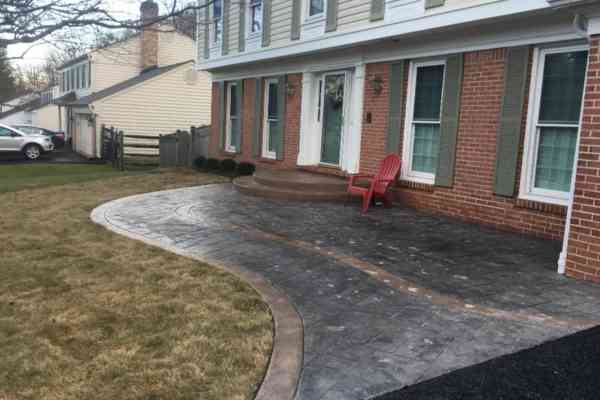

Concrete repair and installation in Queens starts with a clear answer to a simple question: is this slab still sound underneath its damage? Our concrete repair and installation contractors inspect the surface, the joints and the base before recommending anything, because a patch over a failed base is a repair you pay for twice.
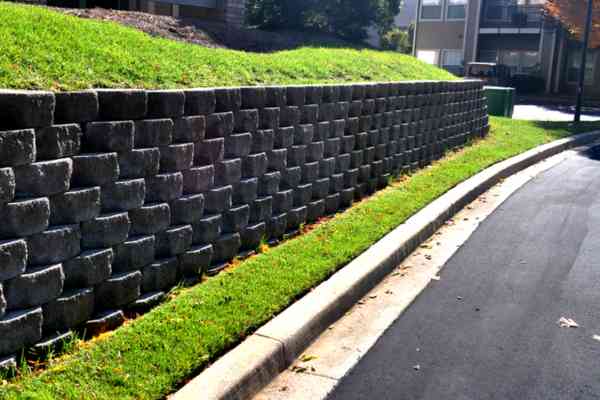
That same discipline runs through the rest of our borough work — when a stoop or a retaining wall is part of the problem, our masonry contractors in Queens handle the stone and brick alongside the flatwork, so the whole front of the property is fixed as one job.
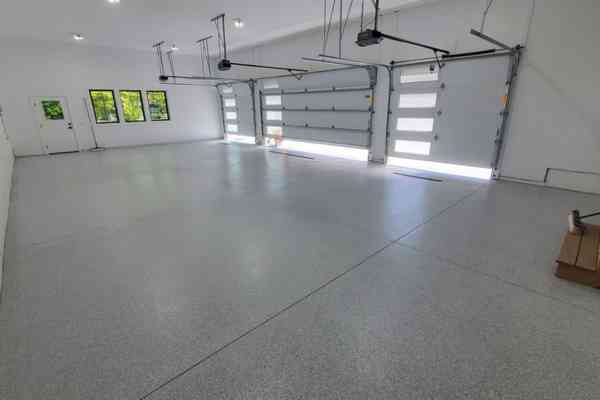
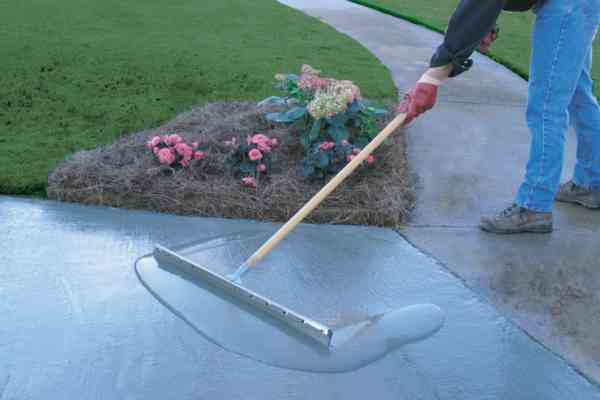
Concrete repair and installation is the work of restoring damaged concrete and building new concrete surfaces that last. Repair covers grinding down a lifted edge, lifting a settled slab, patching spalled areas, resurfacing a worn finish and replacing sections that have cracked through. Installation covers new concrete driveways, walkways, patios, steps and slabs, poured on a prepared base with the joints and drainage the surface needs.
The process starts with evaluation: what is damaged, how deep the damage goes, whether the sub-base has failed and where the water goes. On Queens sidewalks, that evaluation also decides whether a flag can be saved or must be replaced — the same judgment our sidewalk repair and replacement work applies across the borough.

If you are searching for concrete repair and installation contractors near you in Queens, local experience matters: borough concrete fails in borough ways — tree lift on the sidewalk, salt scaling on the stoop, settlement under the driveway apron. At Star Construction INC, every project starts with an inspection and a plain explanation of what is wrong and what it will take to fix it. Request a free, no-obligation estimate and we will walk the property with you. The areas we cover are on our service areas page.
Our clients value the consistency, structural precision, and long-term performance we deliver on every project, from initial planning through final execution.


 Trustindex verifies that the original source of the review is Google.
 Trustindex verifies that the original source of the review is Google.
 Trustindex verifies that the original source of the review is Google.
 Trustindex verifies that the original source of the review is Google.
Contact us now to discuss your project and receive a no-obligation quote from our experts.
Every project is handled through a defined process that ensures accuracy, efficiency, and long-term structural performance from start to finish.
We begin by reviewing site conditions, understanding project objectives, and identifying structural requirements to establish a clear and practical direction before any work begins.
A detailed execution plan is developed, including material selection, sequencing of work, and coordination of labor to maintain consistency and avoid delays during construction.
Work is carried out using proven installation methods, with attention to structural integrity, proper reinforcement, and adherence to safety and quality standards.
A final walkthrough is conducted to verify workmanship, resolve any outstanding details, and ensure the completed project meets performance expectations and durability standards.
Concrete repair and installation services in Queens protect the surfaces a property depends on every day — the driveway you park on, the walk visitors use, the stoop that frames the front door. Done properly, the work restores safety, drainage and appearance in one pass, and it stops small damage from becoming a full replacement.
Driveways take the heaviest loads on a Queens property — cars, deliveries, and the freeze-thaw cycle working at the apron where the driveway meets the street. A driveway that drains toward the garage instead of the street, or an apron broken at the curb, is a drainage problem first and a surface problem second, and we fix it in that order.
Queens sidewalks sit under some of the city’s biggest street trees, and roots lift flags a fraction at a time until a trip edge forms. In New York City the adjoining owner is responsible for the sidewalk, and a lifted flag can draw a DOT notice — our DOT violation removal work handles the repair side of that notice, replacing the failed flags so the walk is safe and compliant. The city re-inspects and decides on dismissal; no repair guarantees that outcome.
Stoops and entry stairs take salt, slush and foot traffic all winter, and they show it first: spalled treads, loose joint mortar, a step that has settled away from the house. Repairing a stoop means fixing the step and the water path that damaged it, not just patching the surface.
Not every damaged slab needs replacing. Sound concrete with surface wear can often be brought back with concrete resurfacing and repairs, while a slab that has settled, cracked through or lost its base is cheaper replaced than patched again. We judge each slab on its own condition and say plainly which side of that line it falls on.
It depends on how far the flag has lifted and whether the root is still growing. A small lip can sometimes be ground down; a flag lifted beyond what grinding can safely correct needs lifting or replacement, and the root itself needs care — city street trees are the city’s, so root work around them is restricted and must be handled properly. We assess the flag, the root and the surrounding slabs before recommending one of these options.
Many repairs can be done in cold weather, but fresh concrete needs temperatures that let it cure rather than freeze, so deep-winter pours are often staged: make the surface safe now and complete the pour in the first mild spell. Sealing and patching work has the same temperature limits.
Sealing protects new concrete from water, salt and staining, and it is worth doing once the concrete has cured. How often it needs repeating depends on traffic and exposure — a driveway under daily cars needs it more often than a garden patio — and we will tell you honestly what your surface needs rather than selling a schedule.
A well-built concrete driveway in Queens typically serves for decades, but its life depends on its base, its drainage and its winters. Salt scaling, settlement and tree roots shorten it; proper joints, a sound base and water that drains away from the slab lengthen it. Costs depend on scope, and we price each job after inspection.
Work wholly on your own lot is usually simpler, while work at the public sidewalk — especially where a DOT notice is involved — needs coordination with the city. Like-for-like repairs are generally simpler than changes to grades or the public walk. We will explain what your job needs before work starts.