As paint renovation and general contractors working across Manhattan, we paint at every scale the borough offers: the single apartment, the whole building, and the townhouse inside and out. Apartment work centers on preparation — plaster stabilized, failed paint taken back to a sound edge, trim repaired rather than buried — because a Manhattan interior shows every shortcut in raking light. Common-area work is scheduled around the residents who use the spaces daily. Townhouse exteriors get the same discipline at street level, with primers and coatings chosen for masonry, wood and painted brick alike.
Our interior and exterior painting crews handle the full range: apartment repaints and full-building programs, lobbies and stairwells finished in durable coatings, and exterior painting for townhouses and low-rise buildings, including painted brick and stucco fronts. Where a paint project follows a larger renovation, our interior renovation and remodeling contractors in Manhattan coordinate the finishes with the rooms they belong to, so paint is the last trade in, not the first one back.
Paint renovation is the work of renewing painted surfaces properly, and general contracting is the coordination that makes it stick — the preparation, the repairs underneath, and the sequencing with other trades. In a Manhattan apartment, that usually means plaster first: cracks and loose areas stabilized, failed paint taken back to a sound edge, and surfaces primed for the paint they will actually receive. In a building’s common areas, it means durable coatings chosen for traffic and cleaning, applied in phases that keep the building running. On a townhouse exterior, it means masonry, wood and metal prepared as different surfaces, not painted as one.
The difference between a paint job that lasts and one that peels in two years is almost always the preparation nobody photographs. A good specification names it: what gets scraped, what gets primed, what gets skimmed, and what is left alone because it is sound.

If you are searching for trusted paint renovation and general contractors near you in Manhattan, Star Construction INC has painted apartments, common areas and townhouses across the borough since 2018. Request a free, no-obligation estimate and we will walk the rooms and elevations with you, surface by surface, and lay out the preparation honestly before quoting. The areas we serve are listed on our service areas page.
Our clients value the consistency, structural precision, and long-term performance we deliver on every project, from initial planning through final execution.

 Jav V
Trustindex verifies that the original source of the review is Google.
Got my bathroom remodel Team was professional on time Thank you Ever fernando Perez saldañaCrear Word
 LUIS CAYOi hire them for my home project. and everyting went smoothly. no delays
 Shahid IqbalVery reliable contractor. They did exactly what they promised and the quality was excellent. Would definitely recommend.
Contact us now to discuss your project and receive a no-obligation quote from our experts.
Every project is handled through a defined process that ensures accuracy, efficiency, and long-term structural performance from start to finish.
We begin by reviewing site conditions, understanding project objectives, and identifying structural requirements to establish a clear and practical direction before any work begins.
A detailed execution plan is developed, including material selection, sequencing of work, and coordination of labor to maintain consistency and avoid delays during construction.
Work is carried out using proven installation methods, with attention to structural integrity, proper reinforcement, and adherence to safety and quality standards.
A final walkthrough is conducted to verify workmanship, resolve any outstanding details, and ensure the completed project meets performance expectations and durability standards.
Professional painting in Manhattan is as much about the building as it is about the brush. Work happens inside occupied apartments and buildings, deliveries and debris move through lobbies and service elevators, and every phase has to fit the building’s hours and its residents’ patience. A contractor who has done this work before plans the sequence — protection first, preparation in full, coatings applied in the right order — and leaves each space usable at the end of every day. The four areas below are where that experience shows up most.
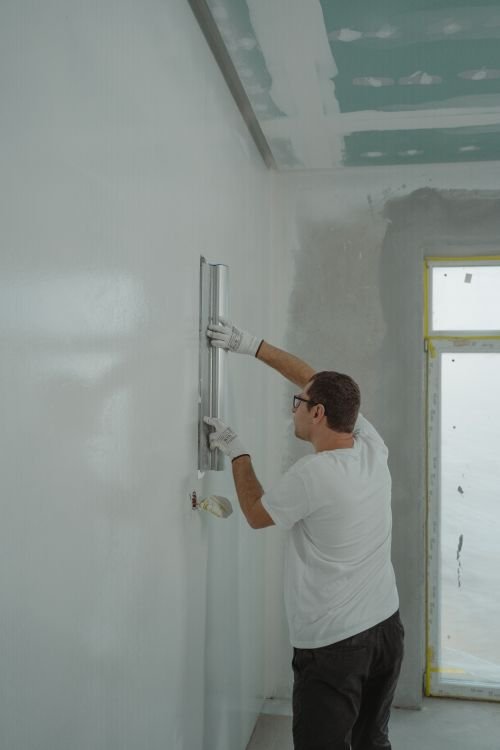
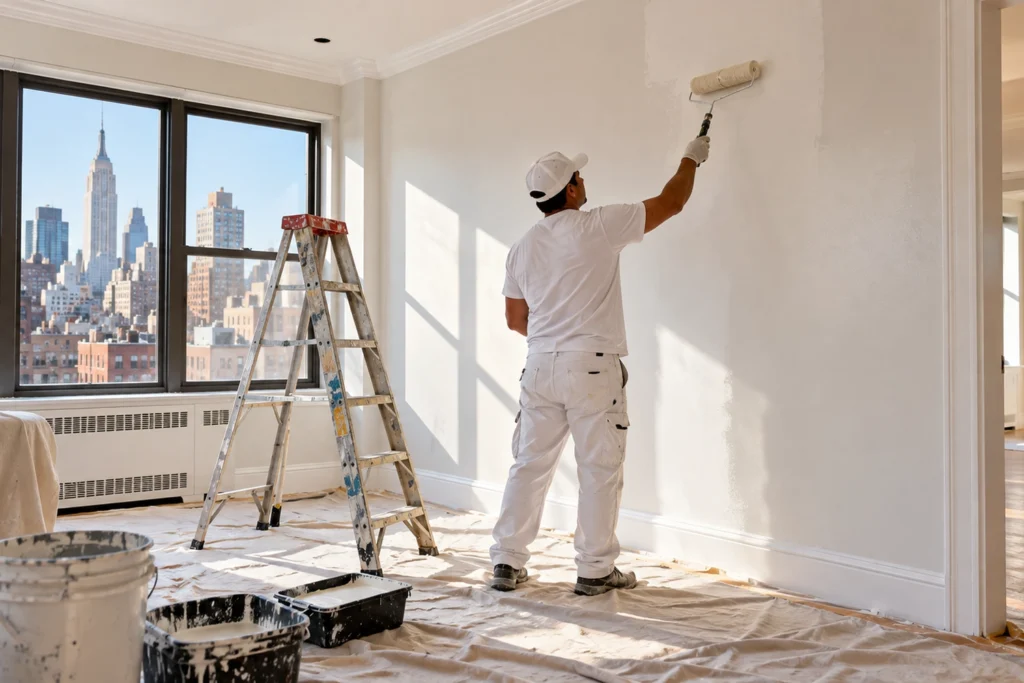
Manhattan apartment interiors reward patience. The pre-war walls are plaster, not drywall, and plaster that has survived a century deserves repair rather than replacement: cracks stabilized, loose areas re-keyed, surfaces skimmed smooth before a single coat of paint goes on. Trim and moldings get the same respect — repaired and caulked, not buried under filler, so the profiles that give the room its character survive the repaint.
Preparation also means protection. Floors, built-ins and fixtures are masked, dust is contained, and the apartment is left clean and usable at the end of each day. A repaint done this way costs more in the first week and far less over the next ten years, because the paint bonds to a sound surface instead of a failing one.
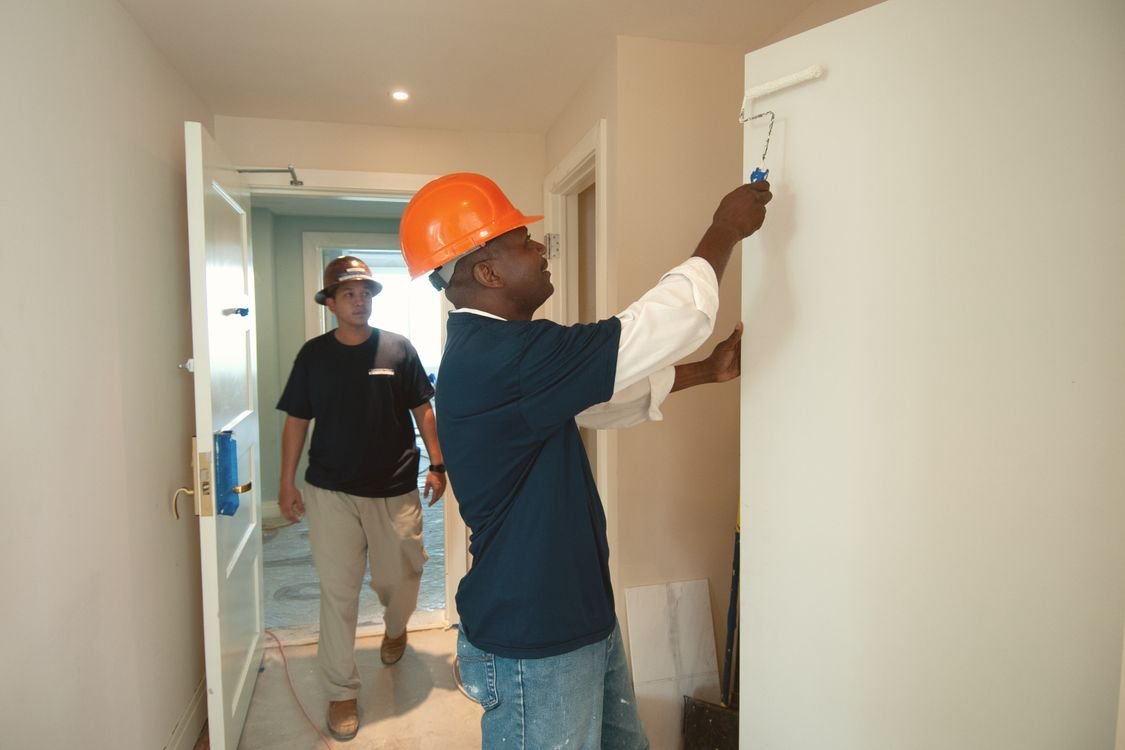
A building’s common areas take more wear than any apartment, and they have to be painted without ever closing. Lobbies, halls and stairwells are finished in durable, washable coatings, and the work is phased floor by floor or wall by wall so residents always have a clear route through. Protection covers elevator doors, mailboxes and handrails, and the day’s work is cleaned before the evening return.
Color in common areas is a building decision, not a painter’s whim: samples go up on the actual walls, under the actual lighting, and the board or management approves the scheme before production painting begins. Done that way, a repaint refreshes the whole building’s first impression in a single program.
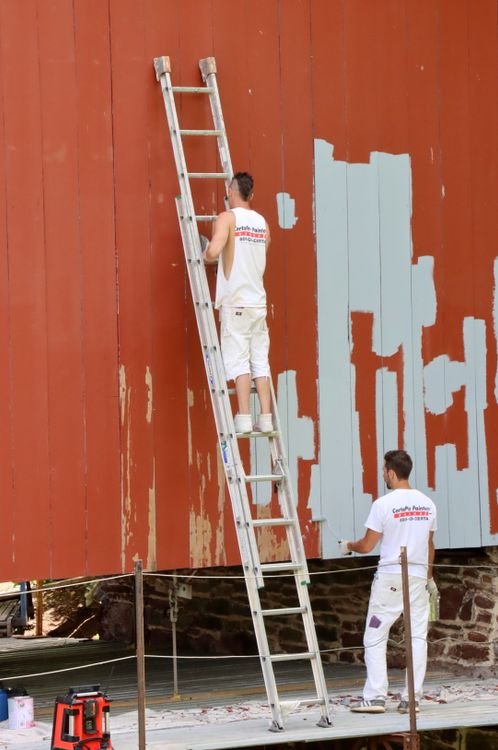
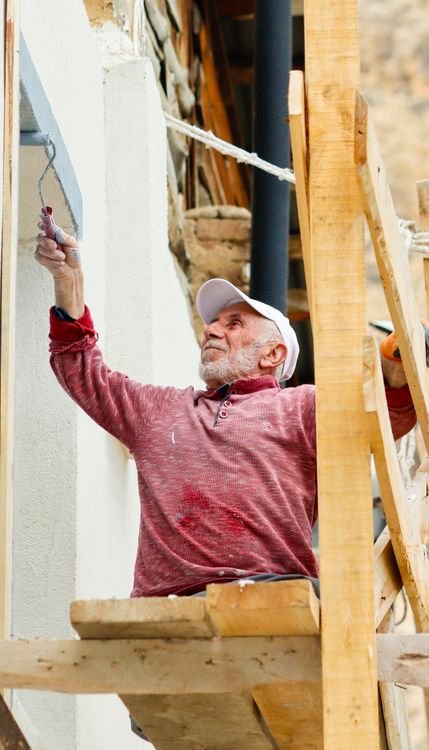
Manhattan townhouses ask for a different exterior specification than a suburban house. The front elevation faces street grime, de-icing salts and weather; the rear and courtyard sides sit in shade, where paint fails by peeling rather than fading. Each elevation is prepared on its own terms: masonry washed and patched, wood scraped to sound material, metal primed against rust, and painted brick assessed honestly — sound paint is recoated, failing paint is stripped back rather than buried.
On landmarked or period facades, the work is framed in plain general terms: matching the existing color and finish, repairing rather than replacing historic material, and keeping the elevation’s character intact. No specific preservation claims are made or needed — the paint simply has to suit the building it is on.
Manhattan’s pre-war apartments were painted in the lead era, and that history has to be handled plainly. Paint applied before 1978 must be assumed to contain lead until testing shows otherwise, and work that disturbs it follows lead-safe practices under the federal renovation rule — containment, careful removal, and thorough cleanup. Testing settles the question for a particular apartment, and it is worth doing before a major repaint.
We describe this practice in general terms and claim no special certification: the point is that old paint is treated with respect, dust is controlled, and the apartment is left clean. If testing shows lead paint, the scope and methods are adjusted accordingly before work proceeds.
Paint applied before 1978 must be assumed to contain lead until testing shows otherwise. Work that disturbs it follows lead-safe practices under the federal renovation rule — containment, careful removal and thorough cleanup — and testing settles the question for a particular apartment. We claim no special certification; we simply treat old paint with the respect it requires, control the dust, and leave the apartment clean. If testing shows lead paint, the scope and methods are adjusted before work proceeds.
It depends on the plaster’s condition. Sound plaster with only cosmetic blemishes can often be painted directly after cleaning, patching and priming. Plaster that is cracked, uneven or previously patched badly usually needs a skim coat first, or the paint will telegraph every flaw. The honest test is in raking light: if the wall reads smooth, paint can follow; if it reads rough, skim first.
By phasing the work. Common areas are painted floor by floor or wall by wall, so residents always have a clear route through, and the day’s work is cleaned before the evening return. Durable, washable coatings keep the finish looking fresh between programs, and noisy or dusty phases are grouped into the building’s approved hours.
Exposed elevations in Manhattan generally need repainting every 5 to 8 years, depending on the coating, the substrate and the exposure — street-facing fronts weather faster than sheltered courtyard sides. Interiors last longer, often 7 to 10 years, unless the apartment is rented or heavily used. The honest answer is condition-based: when the film chalks, cracks or peels, it is time, whatever the calendar says.
Cosmetic painting generally does not need a Department of Buildings permit. Work that changes layout, structure or building systems does, and those filings are handled as part of the project. Common-area programs in co-ops and condos also follow the building’s own review process, which we plan around from the start.