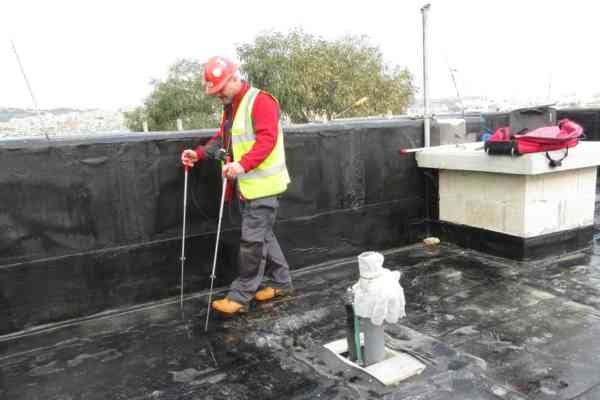
Every Yonkers roof job starts with diagnosis, not a guess. We trace the ceiling stain back to its entry point — a failed flashing joint, a debris-filled valley, a parapet seam or a worn membrane — and check the attic and roof surface before recommending anything. That is why roof leak detection and waterproofing comes first: stopping water at its source costs less than patching the same stain twice, and it tells us honestly whether a targeted repair will hold.
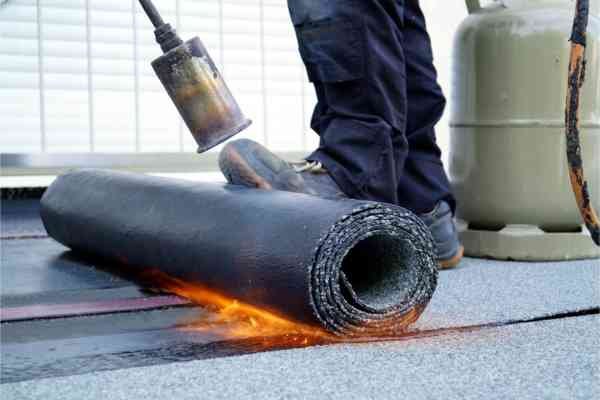
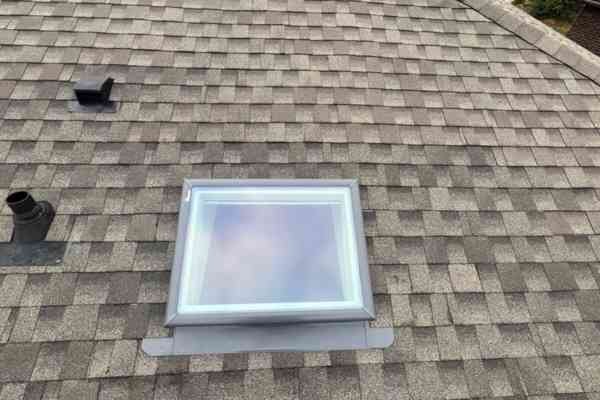
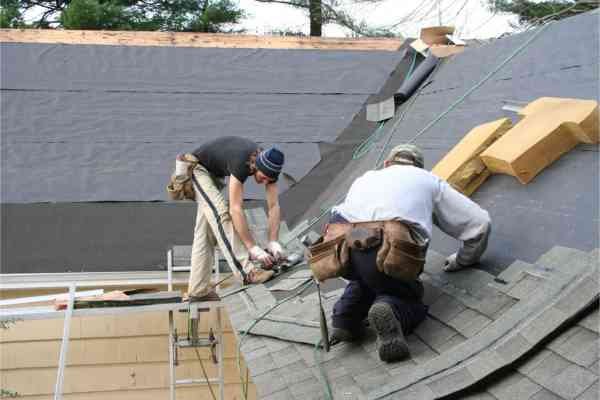
Yonkers roofs are not one roof type. Hillside Colonials and Capes usually carry pitched asphalt shingles, while pre-war apartment buildings often have flat or low-slope membranes with parapets. We repair and replace both: shingle roof repair and replacement for pitched roofs, and flat roof installation and repair where drainage, seams and flashing details decide whether a low-slope roof survives Hudson Valley winters.
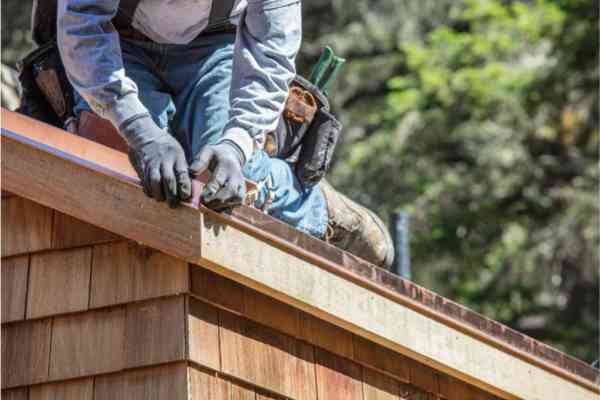
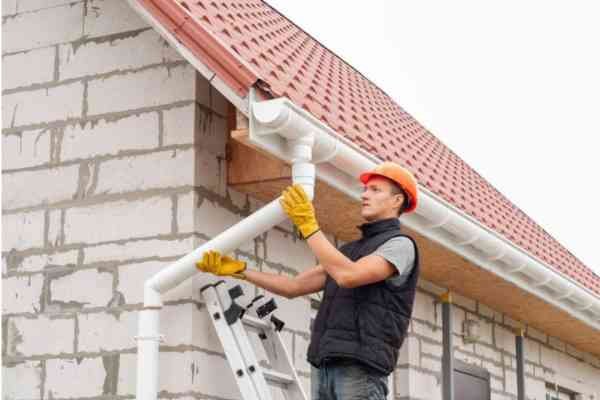
The details around the roof matter as much as the field itself. Gutter and downspout services keep water moving away from the building, and flashing repair and replacement seals the transitions where most leaks begin. When the system has life left, we repair it; when the deck is saturated or the roof is past its service life, we say so and price a full replacement plainly.
Roof repair means targeted work on a roof that still has service life: replacing worn shingles, resealing or replacing flashing, repairing seams on a flat roof, or clearing and correcting drainage. Roof installation means a full system replacement: removing the old roof, repairing the substrate, then installing underlayment, shingles or membrane, flashing, ventilation and drainage as one coordinated system.
Yonkers housing makes both kinds of work common. Pre-war apartment buildings with flat roofs and parapet walls face ponding, seam stress and parapet-joint leaks, while pitched roofs on Colonials and Capes take snow loads, freeze-thaw cycles, wind off the Hudson and debris from mature trees. A roof that suits a quiet cul-de-sac may fail on a windy hillside, so material and detailing are matched to the building and its exposure.
Permits are discussed in general City of Yonkers terms during the estimate. Minor repairs usually need no permit, while a full replacement or any structural change usually does; we confirm what applies to your building before work starts, so there are no surprises in scope, timing or cost.

If you are searching for roof repair and installation contractors near you in Yonkers, start with the leak, not the roof. At Star Construction INC, we inspect the roof surface, attic and drainage, trace water to its entry point, and explain whether a repair will hold or a replacement is the honest answer — before any work is priced.
We handle the full range of Yonkers roofing, from new roof installation on homes and apartment buildings to roof coating systems that extend the life of a sound flat roof. As roof repair installation contractors in New York, we work across Yonkers homes, pre-war apartment buildings and hillside properties, with a free, no-obligation estimate on every project.
Our clients value the consistency, structural precision, and long-term performance we deliver on every project, from initial planning through final execution.

 Jav V
Trustindex verifies that the original source of the review is Google.
Got my bathroom remodel Team was professional on time Thank you Ever fernando Perez saldañaCrear Word
 LUIS CAYOi hire them for my home project. and everyting went smoothly. no delays
 Shahid IqbalVery reliable contractor. They did exactly what they promised and the quality was excellent. Would definitely recommend.
Contact us now to discuss your project and receive a no-obligation quote from our experts.
Every project is handled through a defined process that ensures accuracy, efficiency, and long-term structural performance from start to finish.
We begin by reviewing site conditions, understanding project objectives, and identifying structural requirements to establish a clear and practical direction before any work begins.
A detailed execution plan is developed, including material selection, sequencing of work, and coordination of labor to maintain consistency and avoid delays during construction.
Work is carried out using proven installation methods, with attention to structural integrity, proper reinforcement, and adherence to safety and quality standards.
A final walkthrough is conducted to verify workmanship, resolve any outstanding details, and ensure the completed project meets performance expectations and durability standards.
Professional roof work protects more than the ceiling below it. It keeps water out at the entry points, carries snow and rain loads the way the structure expects, and matches the fix to the roof’s real condition — so a Yonkers home or apartment building stays dry through Hudson Valley winters without paying for a replacement it does not need.
A ceiling stain shows where water landed, not where it entered. We trace leaks to flashing joints, valleys, parapet seams, skylight curbs and penetrations, and check the deck and attic for moisture before recommending a fix — so the repair stops the leak instead of hiding it until the next heavy rain or snowmelt.
Pitched shingle roofs and flat membrane roofs fail differently and are repaired differently. Shingle work focuses on courses, valleys and flashing; flat work focuses on seams, drainage and ponding. Matching materials and detailing to the roof type — and to Yonkers snow, freeze-thaw and river wind — is what keeps a repair holding past the first winter.
Most roof leaks start where water is supposed to leave: a clogged gutter, a failed downspout joint, an open flashing seam or a cracked parapet cap. Clearing drainage paths, resealing joints and repairing parapet caps keeps water moving off the roof instead of backing up under shingles, into seams or behind parapet walls.
Repair is right when damage is local — a few shingles, one flashing joint, one valley — and the rest of the system is sound. Replacement is right when leaks repeat, the deck is soft or saturated, or the roof is past its service life. We explain which situation your roof is in, in plain terms, with the scope and cost of each option before you decide.
Localized damage points to repair: a few worn or missing shingles, one failed flashing joint, or a single valley or seam. Replacement is the honest answer when leaks keep returning in different places, the deck feels soft or shows saturation, or the roof is past its service life. An inspection of the surface, attic and drainage gives the answer — we explain what we found and price both options where both are reasonable.
Light rain runs off before it reaches a small gap, but heavy rain drives water into failed flashing, debris-filled valleys and open seams, and snowmelt pools and backs up behind ice or clogged gutters. The entry point is there all year; it only admits enough water to show inside when volume, wind or meltwater forces it through. Clearing drainage and sealing the entry point stops the intermittent leak.
A typical single-family shingle replacement takes a few days, weather permitting: tear-off, substrate repair, underlayment, shingles, flashing and cleanup. Larger apartment or flat roofs take longer, and occupied buildings are often phased so residents stay dry throughout. Rain, cold snaps and inspections can extend the schedule, and we confirm the expected timeline at the estimate.
Yes. Flat and low-slope roofs need clear drainage before winter, so snowmelt does not pond and freeze at seams. Seams, flashing and parapet joints are checked after freeze-thaw cycles, and snow load is watched on older apartment roofs. Repairs to membranes and coatings need dry surfaces and temperatures within the product’s range, so winter work is phased to suitable days.
In general City of Yonkers terms, minor repairs usually do not need a permit, while a full roof replacement or any structural change usually does. The exact requirement depends on the building and the scope, so we confirm what applies during the estimate and before work starts — no permit surprises after the job begins.