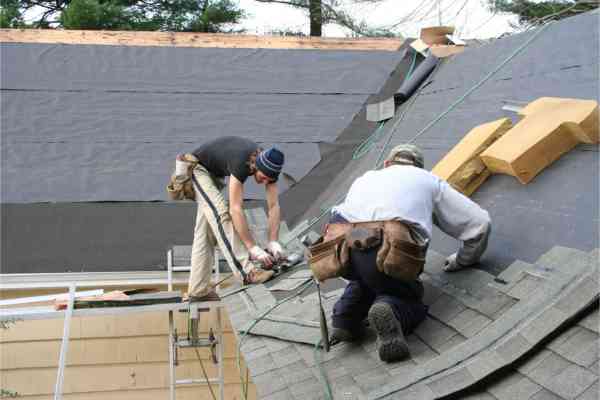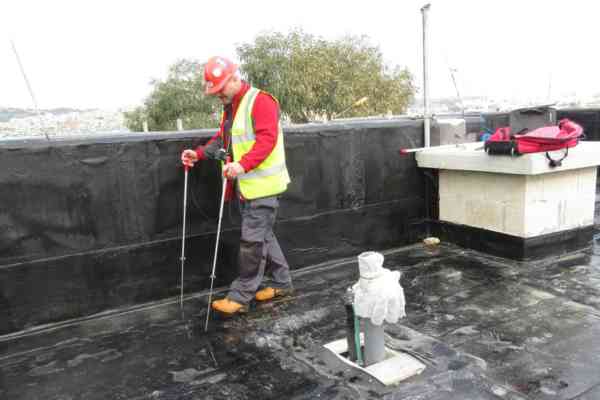
Our torch down roofing services begin with a detailed evaluation of the existing roof structure, including deck condition, insulation performance, and drainage efficiency. We assess potential problem areas such as ponding water, substrate deterioration, and previous installation deficiencies to determine the most effective solution.
Material selection is critical in torch down roofing systems. We utilize high-quality modified bitumen membranes, typically reinforced with polyester or fiberglass, to provide enhanced flexibility and resistance to environmental stress. These materials are selected based on building type, exposure conditions, and long-term durability requirements.
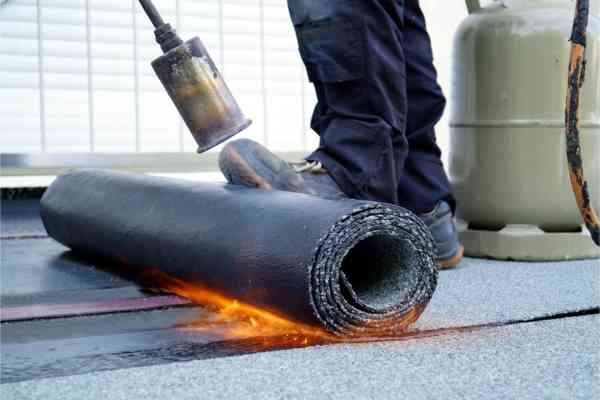
The installation process involves heat-welding the membrane layers using specialized equipment to create a fully bonded, watertight surface. Proper layering, seam alignment, and flashing integration are essential to ensure consistent performance. We serve residential, commercial, and multi-unit properties, delivering roofing systems designed to provide reliable protection and structural integrity over time.
On New York’s flat roofs, the membrane’s edges decide how long it lasts. Where torch-down turns up a parapet wall, around a drain or a curb, ponded storm water sits against the seams, and every freeze-thaw cycle works at the bond. That is why the base flashing and the wall’s waterproofing have to work as one system, with parapet wall waterproofing and flashing installation detailed alongside the membrane rather than left as an afterthought.
Torch down roofing is a flat roofing system that uses modified bitumen membranes applied with heat to create a seamless, waterproof barrier. The membranes are fused to the roof surface using a torch, ensuring strong adhesion and eliminating gaps where water could penetrate.
This system is commonly used for flat or low-slope roofs due to its ability to handle water exposure effectively. The layered structure provides flexibility, allowing the roof to expand and contract with temperature changes without compromising its integrity. This makes it particularly suitable for climates like New York, where seasonal variations can impact roofing materials.
Property owners rely on torch down roofing for its durability and resistance to moisture intrusion. It enhances building performance by providing consistent waterproofing, reducing the risk of leaks, and minimizing maintenance requirements. Proper installation ensures long-term protection and supports the overall stability of the roofing system.

Every successful build begins with proper evaluation, planning, and method selection to ensure structural stability and long-term performance.
We install new torch down roofing systems with precise heat application and layering to ensure a seamless, watertight surface.
Our repair services address cracks, blistering, and membrane separation to restore waterproofing performance.
We install overlay systems over existing roofs when structurally viable, improving performance without complete removal.
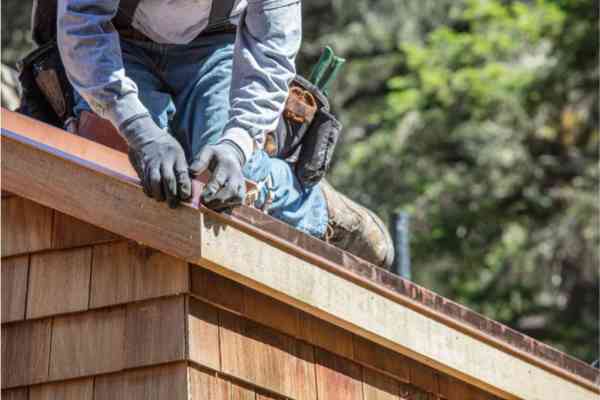
Proper flashing is integrated with torch down systems to protect edges, joints, and penetrations from water intrusion.
We replace deteriorated flat roofs with new torch down systems designed for enhanced durability and performance.
Routine inspections and maintenance help extend the lifespan of torch down roofing systems and prevent costly damage.
If you are searching for torch down roofing contractors near me in New York, it’s important to work with professionals who understand the technical requirements of heat-applied roofing systems. Proper installation is critical, as even minor errors can compromise waterproofing performance — and torch-down is one part of the wider roof repair and installation in New York service, so the system has to suit the building, not just the membrane.
At Star Construction INC, we conduct a thorough evaluation of your roofing system, including structural condition, drainage patterns, and exposure to environmental elements. This allows us to recommend the most suitable torch down solution for your property, whether it is a standalone torch-down system or part of a broader flat roof installation and repair plan.
New York’s climate requires roofing systems that can handle moisture, temperature changes, and long-term wear. We focus on precise application, high-quality materials, and proper sealing techniques to ensure lasting protection, including roof flashing repair and replacement where edges, joints and penetrations need it. Our local expertise ensures your roofing system performs reliably while reducing the risk of future maintenance issues. Our guide to roof repair vs. replacement in New York explains how the repair-or-replace call is made.
Our clients value the consistency, structural precision, and long-term performance we deliver on every project, from initial planning through final execution.

 Jav V
Trustindex verifies that the original source of the review is Google.
Got my bathroom remodel Team was professional on time Thank you Ever fernando Perez saldañaCrear Word
 LUIS CAYOi hire them for my home project. and everyting went smoothly. no delays
 Shahid IqbalVery reliable contractor. They did exactly what they promised and the quality was excellent. Would definitely recommend.
Contact us now to discuss your project and receive a no-obligation quote from our experts.
Every project is handled through a defined process that ensures accuracy, efficiency, and long-term structural performance from start to finish.
We begin by reviewing site conditions, understanding project objectives, and identifying structural requirements to establish a clear and practical direction before any work begins.
A detailed execution plan is developed, including material selection, sequencing of work, and coordination of labor to maintain consistency and avoid delays during construction.
Work is carried out using proven installation methods, with attention to structural integrity, proper reinforcement, and adherence to safety and quality standards.
A final walkthrough is conducted to verify workmanship, resolve any outstanding details, and ensure the completed project meets performance expectations and durability standards.
Torch down roofing provides a reliable solution for flat roofs requiring long-term durability and moisture protection.
The heat-applied membrane creates a seamless barrier that effectively prevents water infiltration, even in areas with heavy rainfall or snow accumulation.
Modified bitumen membranes are designed to withstand extreme weather conditions, including temperature fluctuations and UV exposure, ensuring long-term performance.
Torch down roofing systems can expand and contract without cracking, maintaining integrity despite environmental stress and structural movement.
Due to its durability and resistance to damage, torch down roofing requires less frequent repairs, lowering long-term maintenance costs.
Torch down roofing is used on flat or low-slope roofs — houses with flat extensions, garages, commercial buildings and multi-unit blocks — where a heat-welded modified bitumen membrane gives a fully bonded, waterproof surface. Because the membrane is fused rather than glued, seams hold up where ponded water and freeze-thaw cycles punish weaker joints, which is why it is a common choice for flat roof installation and repair projects in New York.
With proper installation and maintenance, torch down roofing can last 15–25 years or more. What decides where in that range a roof lands is mostly drainage and detailing: standing water, failed seams and unrepaired flashing wear a membrane out years early, while regular inspections and prompt small repairs keep it at the long end. When leaks keep returning or the membrane is failing across large areas, our guide to roof repair vs. replacement in New York explains how the repair-or-replace call is made.
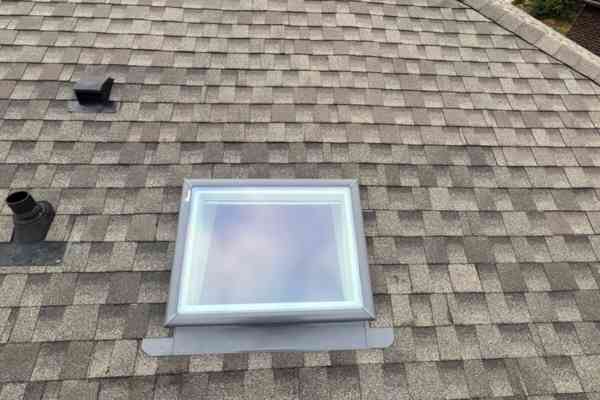
Yes — torch down suits both residential and commercial buildings with flat roof designs: flat-roofed houses, extensions, garages, shops and larger commercial roofs alike. The heat-welded membrane adapts to the roof’s shape and penetrations, and because it is installed in layers it can be detailed around skylights, vents and parapets. The main requirement is a sound deck and workable drainage, which the pre-installation evaluation checks.
Yes — localized damage such as cracks, blistering or membrane separation can usually be repaired by sealing the area or heat-welding in a new section of membrane, restoring a fully bonded surface without replacing the whole roof. Repairs work best when the damage is caught early, before water has saturated the insulation or decking underneath; that is why a leak should be traced to its source with roof leak detection and waterproofing work rather than patched blindly. Widespread failure across large areas usually means replacement is the better investment.
Yes — torch down roofing can improve energy efficiency when combined with proper insulation and reflective coatings. The membrane itself is dark and heat-absorbing, so the efficiency gain comes from the system around it: insulation that limits heat loss in winter, and a reflective roof coating system that cuts summer heat gain on top. Together they reduce the load on heating and cooling and help the roof surface run cooler, which also eases thermal stress on the membrane.