The envelope is unremarkable, which is part of why it is easy to put off: a notice from the city’s transportation department, addressed to the property owner, saying the sidewalk in front of your building has been inspected and found defective. If you own a pre-war building in Jerome Park, that letter can feel like a penalty arriving out of nowhere. It is worth reading it properly, because a sidewalk violation notice is not quite what it first looks like. It is, first and foremost, a repair order: the city has identified defects in the sidewalk adjoining your property and is telling you, as the owner, to fix them. It is not, by itself, a fine — though ignoring it can lead to costs you would much rather avoid.
What the Notice Is Actually Saying
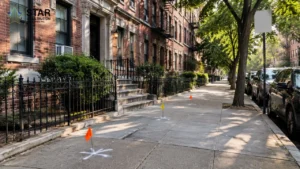
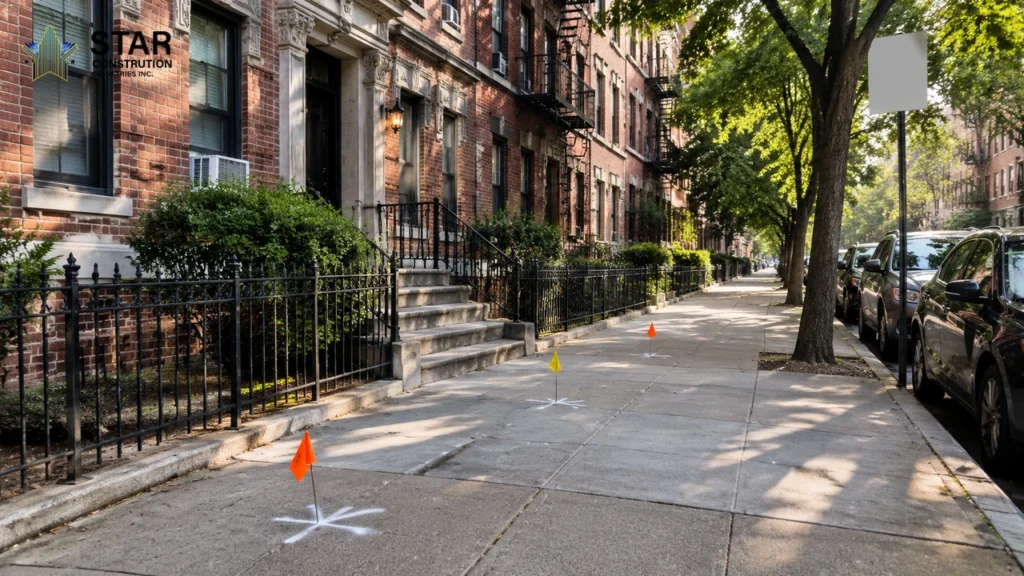
In New York City, the sidewalk in front of a property is the owner’s responsibility to maintain, even though the public walks on it. When an inspector walks your frontage, they look for conditions that make the walk unsafe or unusable. The notice lists the defects found, usually flag by flag, and the most common ones are worth knowing by name.
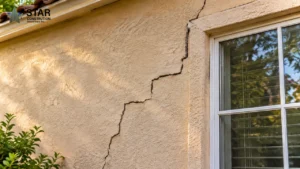
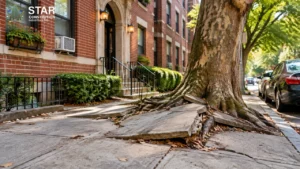
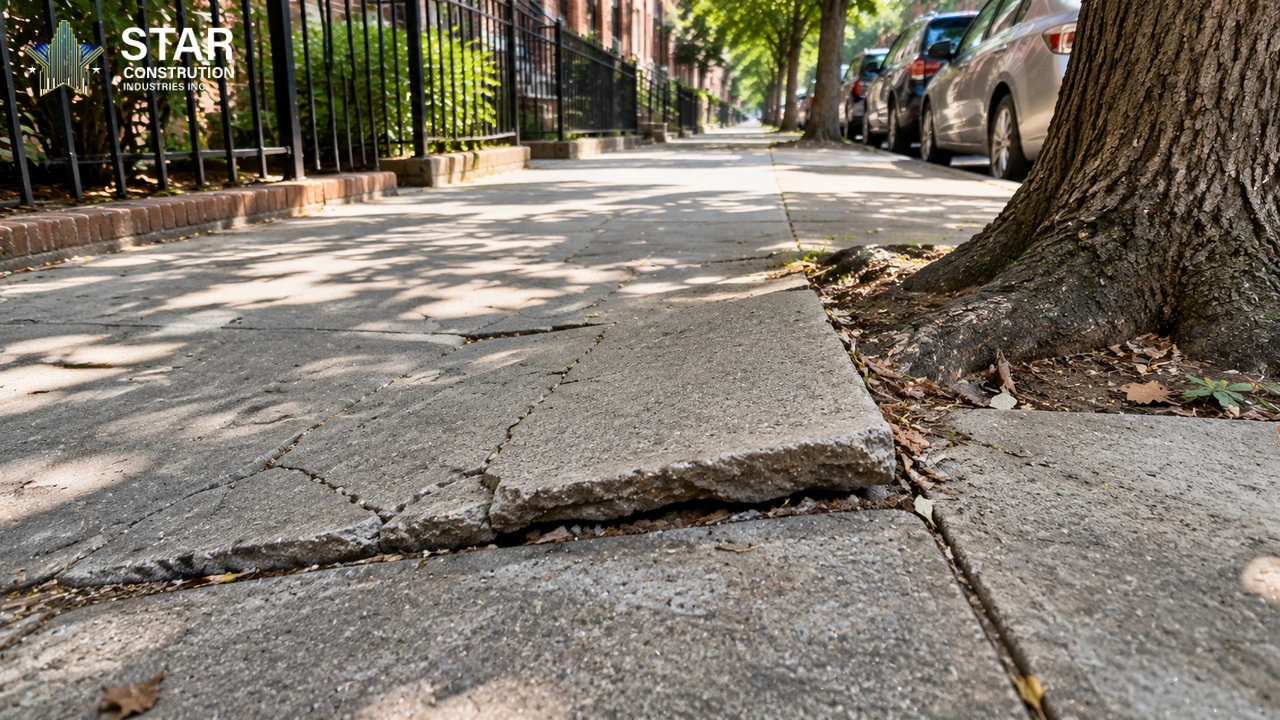
Trip hazards come first: a flag whose edge sits higher than its neighbor, often because a tree root lifted it or the ground beneath settled. Broken or cracked flags are next — concrete cracked through, crumbled at the edges, or broken into pieces by years of foot traffic and freeze-thaw winters. Improper slope or grade is another: a flag tilting the wrong way, sending water toward the building or ponding after rain instead of draining to the street. Then there is patchwork and hardware: old asphalt patches that have sunk or broken up, and metal hardware — cellar doors, vault covers, grates — worn uneven, rusted, or loose. On Jerome Park’s hilly, tree-lined streets, they accumulate quietly until an inspection puts them in writing.
Your Options, in Order
Once you understand what is being asked, you have a short list of routes, and the order matters. The first and most common is to arrange the repair yourself with a contractor. You choose the contractor, agree the scope — which flags are replaced and which are left — and control the timing, subject to the permits and approvals the work needs. Our sidewalk and driveway contractors in Jerome Park handle this kind of repair regularly, and a contractor who knows the local frontages can tell you plainly which flags must go and which can honestly be saved.
Permits and approvals come with the work: sidewalk work in the city generally involves the transportation department’s permit process, and your contractor should explain what your frontage needs. The second route is the city’s: if the defects are not repaired, the city can step in, make the repair itself, and bill the owner. That route is worth knowing about in neutral terms — it resolves the defects, but it takes the timing, the scope, and the cost out of your hands. Handling the repair yourself usually keeps more control of all three: you decide when the work happens, you see the quote before work starts, and the finished run matches the rest of your frontage.
What the Repair Involves
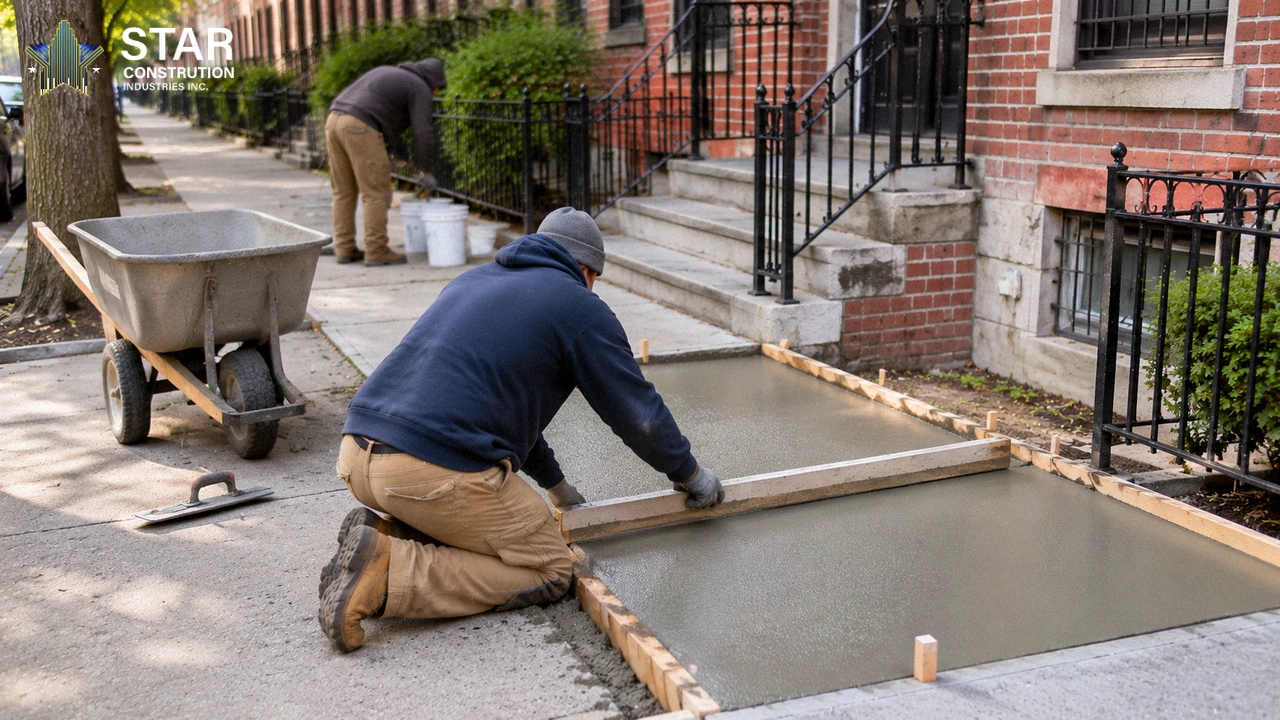
For most violations, the repair is straightforward concrete work, but the details decide whether it lasts. Broken, cracked, or badly tilted flags are cut out and replaced with new concrete, poured to the right grade so water runs to the street rather than pooling or running toward the building. It is the everyday work of sidewalk and driveway contractors, and matching matters on a long frontage: new flags should sit flush with their neighbors, with joints that line up, so the run reads as one sidewalk rather than a patchwork.
Grinding — shaving down a lifted edge — is sometimes proposed as a cheaper fix, and it has an honest place: a small, stable lift on an otherwise sound flag can be ground flush and the trip edge removed. But grinding is not a repair for a flag that is cracked through, still moving, or lifted by an active root; shaving a moving flag just buys a season before the edge returns, and grinding a cracked flag thin weakens what is left. A contractor should say which of your flags are grinding candidates and which genuinely need replacement — and be wary of any quote that grinds everything.
Tree roots cause a large share of these violations and come with a restriction owners do not always expect. Street trees in New York City belong to the city, and root work around them is restricted: roots cannot simply be cut back to make room for a new flag. The repair has to work around the tree — sometimes a different flag layout, sometimes a root-friendly detail. Our concrete repair and installation contractors in Jerome Park plan around this regularly on the reservoir streets. Drainage and slope corrections finish the job: a good crew checks the grade of the whole run, not just the replaced flags.
After the Repair
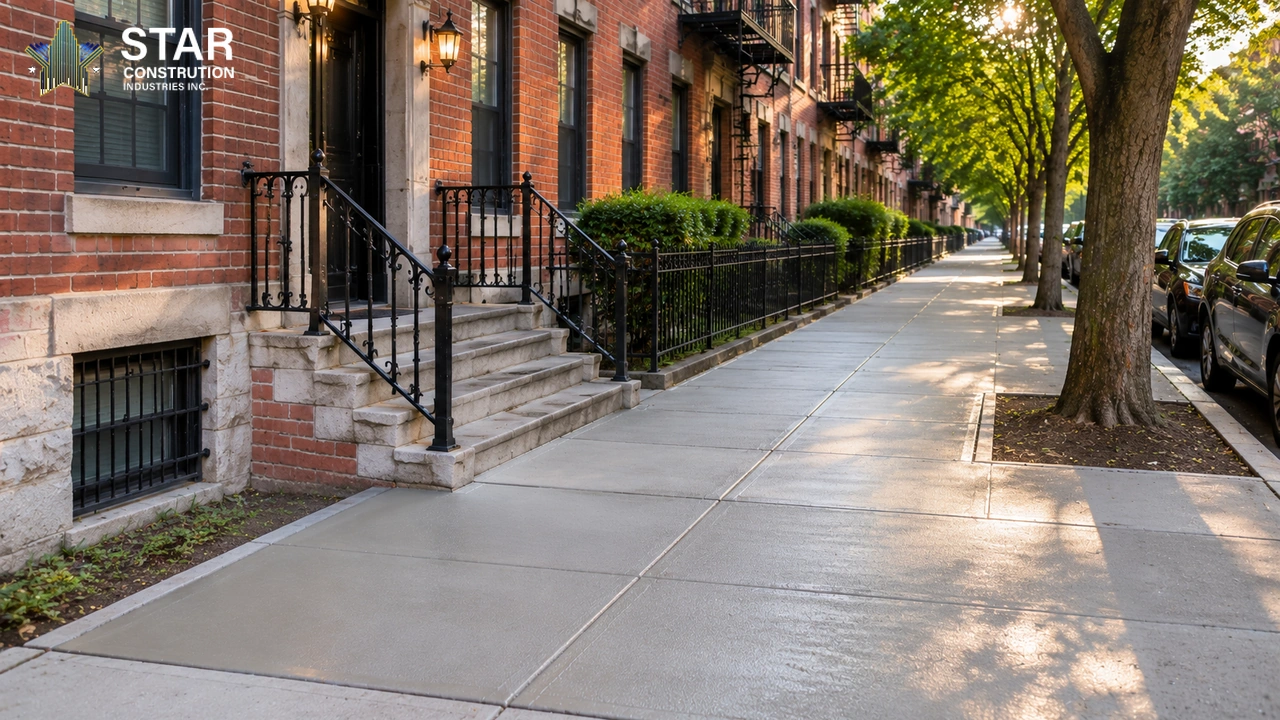
Once the concrete has cured and the run is finished, the violation does not disappear by itself. The owner — or the contractor on the owner’s behalf — requests a re-inspection, so the city can come back and check the defects against the original notice. Keep everything from the job: the contractor’s paperwork, any permits, and dated photographs of the finished work, flag by flag.
Then the city decides. Re-inspection is the city’s call, and dismissal of the violation is the city’s decision: a clean re-inspection is how a violation is cleared, and no contractor can guarantee that outcome in advance. If the re-inspection finds defects remaining — a flag that still sits high, a grade that still ponds — the notice will say so, and the remaining items become a short, specific punch list rather than a fresh mystery. Fix those, request another look, and keep the paperwork going until the frontage is clear.
Keeping It from Happening Again
A sidewalk is not a fit-and-forget surface, especially in front of a pre-war building with mature trees and a century of winters behind it. The cheapest violation is the one that never gets written, and it is avoided by a habit: walk your frontage once or twice a year, and after any hard winter. Look for edges starting to lift, hairline cracks widening, joints opening, and water standing where it used to drain. Catch a lifted edge early and it may be a grinding job; catch it late and it is a flag replacement. Watch the trees too, and keep drainage in mind whenever gutters or downspouts change. A short walk, twice a year, is the whole maintenance program.
A sidewalk violation notice is an unwelcome letter, but it is a manageable one: read what it actually lists, arrange the repair through a contractor you trust, keep the paperwork, and let the city’s re-inspection close the file. Star Construction INC has repaired and replaced sidewalks across the Bronx since 2018; request a free, no-obligation estimate and we will walk the frontage with you, flag by flag, and explain what the notice is asking for. The areas we cover are on our service areas page.
Frequently Asked Questions
How much time do I have to fix a sidewalk violation?
The notice itself sets out the time allowed, so read it first and treat that window as your deadline. Start immediately: getting a contractor, any permits, and a work date arranged takes time. If the window looks unworkable, ask the issuing department promptly about the process rather than letting it lapse.
Can only the broken flags be repaired instead of the whole run?
Yes — a violation is normally cleared flag by flag, and only the defective flags need replacing. A good contractor will mark exactly which flags the notice lists and quote those, and tell you honestly if a neighboring flag is close to failing and worth doing at the same time.
Who is responsible when a city tree’s roots lifted the sidewalk?
The sidewalk remains the adjoining owner’s responsibility to maintain, even when a city-owned street tree caused the lift. What changes is the repair method: root work around a city tree is restricted, so the repair must be planned around the tree rather than simply cutting the root away.
What happens if the notice is ignored?
Ignoring it does not make it go away. The defects and the trip hazard remain, and the city may eventually carry out the repair itself and bill the owner — a route that takes timing, scope, and cost out of the owner’s hands. It can also leave the owner exposed if someone is hurt on a known, unrepaired defect.
Does repairing the sidewalk guarantee the violation is dismissed?
No. Repairing the defects is what makes dismissal possible, but the dismissal itself is the city’s decision after re-inspection: the city checks the frontage against the original notice and clears the violation only when the listed defects are resolved. Keep your photos, permits, and contractor paperwork ready in case anything is questioned.