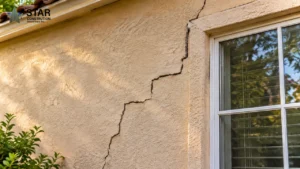

Masonry is the trade where a cheap quote gets expensive fastest. A wall repointed with the wrong mortar, a parapet patched instead of rebuilt, a chimney “repaired” with a smear of cement over failing joints — the failures hide for a season or two, then arrive with interest. The protection is not technical knowledge; it is asking the right questions before anyone picks up a trowel, and listening carefully to how the answers sound. Here are the ten questions that separate a mason who will still be proud of the wall in ten years from one who will not return your calls in ten weeks — and what a good answer to each one looks like.
Questions 1–3: The Diagnosis
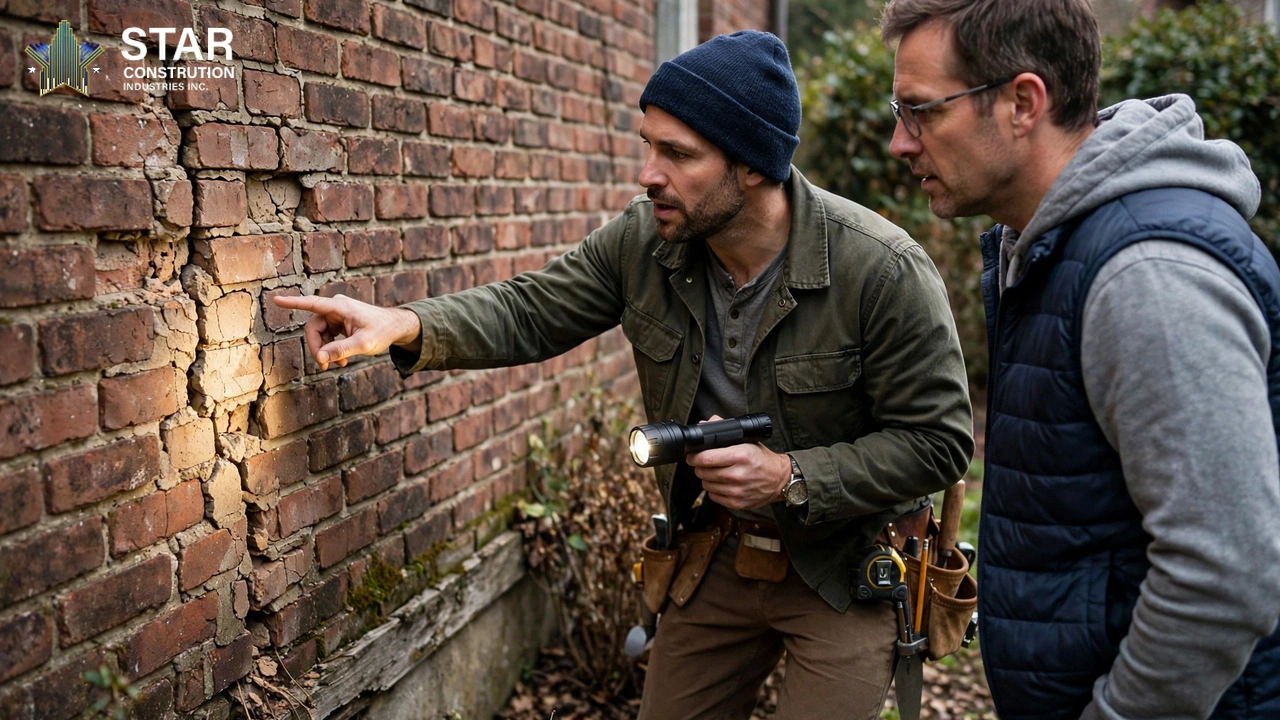
1. “What exactly is wrong, and how did you decide?” The first question tests whether you are being sold a diagnosis or a product. A good mason explains the failure in plain terms — water entering through opened joints, a hard mortar cracking softer brick, a footing that has moved — and can show you the evidence on the wall itself. Vague answers (“it all needs redoing”) with no specifics are a warning.
2. “Is this a repair, a partial rebuild, or a full rebuild — and why?” Honest masonry work lives on this spectrum, and the right answer is often the middle one: sound sections repointed, failed sections taken down and rebuilt. Be wary of contractors who only ever recommend the largest option, and equally of those who promise a patch will cure a structural problem.
3. “What will you do about the water?” Almost every masonry failure is a water failure wearing a disguise. If the quote repairs the damage but says nothing about the cause — the coping, the flashing, the drainage, the joint that lets the weather in — the damage is already scheduled to return. A good answer names the entry point and the fix, not just the scar.
Questions 4–6: The Materials and the Method
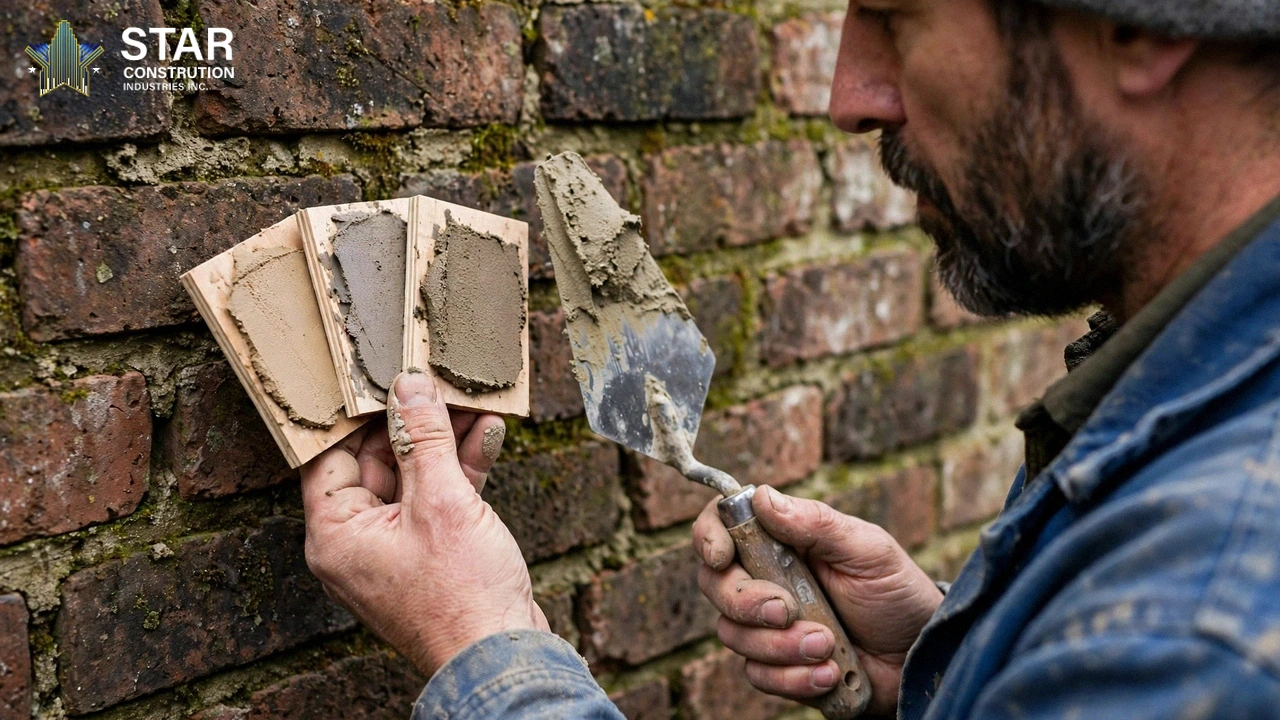
4. “What mortar will you use, and how will it match?” On any wall built before the mid-twentieth century this may be the most important question on the list. Historic brick was laid in soft lime mortar; repointing it with hard modern cement traps moisture and cracks the brick faces — damage that cannot be undone. A good mason talks about matching strength and colour, and about test patches. Our masonry contractors in Harlem work on brownstone-era walls where this question decides whether the repair protects the building or slowly destroys it.
5. “How will the new work be matched to the old?” Brick, stone and stucco repairs should disappear. Ask how replacement units are sourced, how mortar colour is aged, how stucco texture is replicated. “You won’t see it” is a promise; a description of the matching process is a plan.
6. “Who actually does the work?” Ask whether the crew is the company’s own, how the work is supervised, and who you call when something looks wrong mid-job. Masonry quality is set by the hands on the trowel that day, not by the logo on the quote.
Questions 7–9: The Paper and the Plan
7. “What exactly is in the written scope?” The scope should name the areas, the method, the materials and what is excluded, in writing, before work starts. Verbal scopes grow; written ones hold. If a contractor resists putting it in writing, you have learned something important for free.
8. “What happens if you find hidden damage?” Behind a failed wall section there is often more failure — rotted backup, a cracked lintel, a footing gone soft. Ask how surprises are handled: photographed, explained and priced for your approval before proceeding is the professional answer; discovering them on the final invoice is not.
9. “What is the timeline, and what does it depend on?” Masonry runs on weather, curing and sequencing. A realistic answer mentions those dependencies; a suspiciously instant one suggests corners you will not see being cut. Ask, too, how the site is left each day and at the end — scaffolding, debris and dust control are part of the job on an occupied building.

Question 10: The Standing
10. “Can I see similar work, and how long have you been doing this?” You are looking for relevant work — your type of building, your type of repair — and for a business with a track record it is willing to describe. Star Construction INC has worked on homes and buildings across the New York area since 2018, and our masonry contractors in New York answer all ten of these questions in the first conversation, in writing where it counts. If you are gathering quotes, request a free, no-obligation estimate and compare the answers side by side — the wall will tell you later whether you chose well. The areas we cover are listed on our service areas page. For one of the materials questions in depth, our guide to brickwork repointing explains what proper repointing involves.
Frequently Asked Questions
How many quotes should I get before hiring a masonry contractor?
Two or three written quotes are enough to see the range — but compare the scopes, not just the totals. The cheapest quote is often cheap because its scope quietly excludes the drainage, matching or rebuilding the others include.
What is the most important question to ask a masonry contractor?
Ask what mortar they will use and how it will match the existing wall. On older buildings, the wrong (too hard) mortar causes irreversible damage to historic brick — it is the single most consequential technical decision in most masonry repairs.
Should a masonry estimate be free?
A first estimate based on an inspection is commonly free and no-obligation. What matters is that the estimate follows a real look at the wall — its condition, its materials, its water paths — rather than a number given from the street.
What should a written masonry quote include?
The areas to be worked on, the method (repair, repointing, partial or full rebuild), the materials and matching approach, what is excluded, the timeline and how hidden damage will be handled and priced if found.
How can I tell if a contractor’s diagnosis is honest?
An honest diagnosis comes with evidence you can see — the opened joint, the spalled brick face, the displaced section — and with options explained, including the smaller repair where a smaller repair will genuinely hold.