As brick and stucco contractors in New York, we work on the masonry that gives Harlem its streetscape: brownstone-fronted row houses whose stone face is backed by brick, side and rear brick walls, and the larger brick apartment and avenue buildings of Manhattan. Star Construction INC serves all of our service areas with work that starts from the wall itself, not from a surface patch. We look at joint condition, brick hardness, previous repairs, and the places water is entering, before we recommend a scope.
That care matters because a Harlem wall rarely fails in one place only. A failed joint admits water, water softens the next course, and a hard patch beside soft brick concentrates movement until the brick itself cracks. Our approach pairs brick pointing and repointing with stucco repair, brick crack repair, and, where the face needs it, brownstone and historic facade restoration, so the repair and the building move together.
For broader masonry needs, see our masonry contractors in Harlem, NY page. Every Harlem estimate is free and without obligation, with photographs and a clear explanation of the options, including what can wait and what should not.
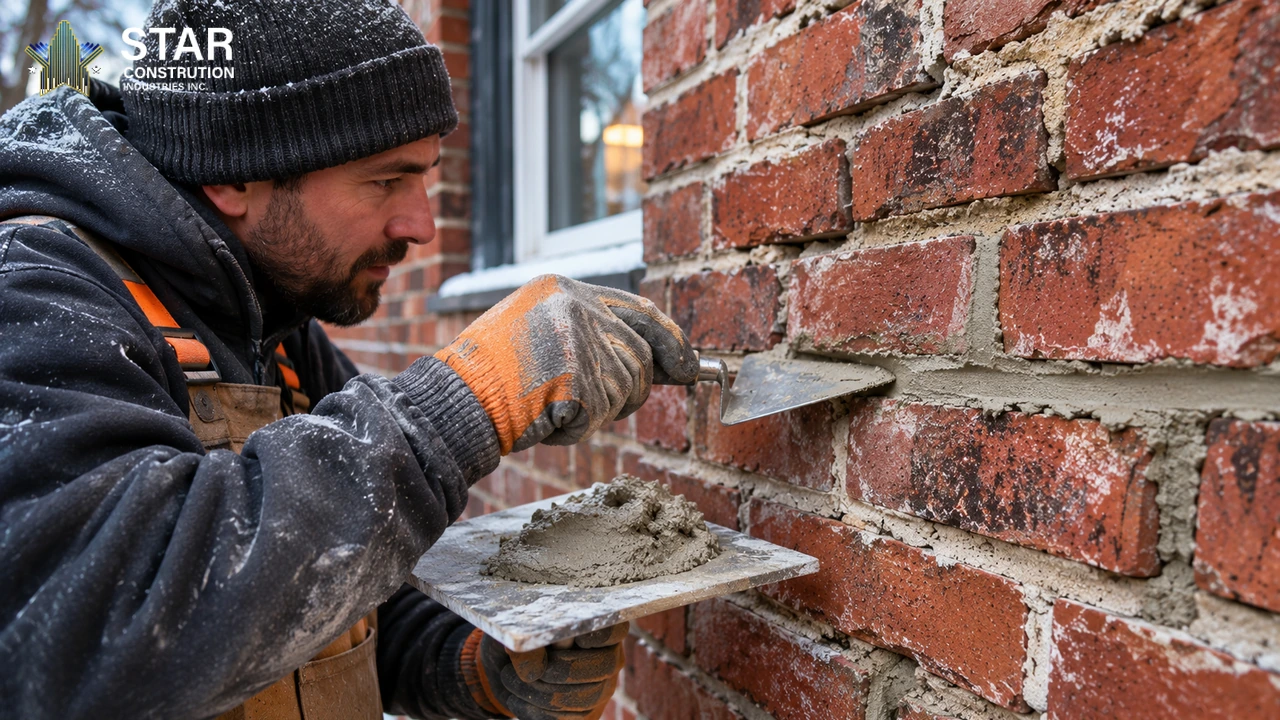
Brick work in Harlem begins with reading the wall. We check whether joints are eroded, washed out, or filled with a later, harder mortar; whether brick faces are spalling, cracking, or softening; and whether movement, lintel rust, or a failed coping is opening new routes for water. Repointing then means cutting out only the failed mortar, to a sound depth, and pointing with a mix matched to the original in strength, colour, and joint profile, so the new work yields where it should and the historic brick is not forced to carry stress it cannot.
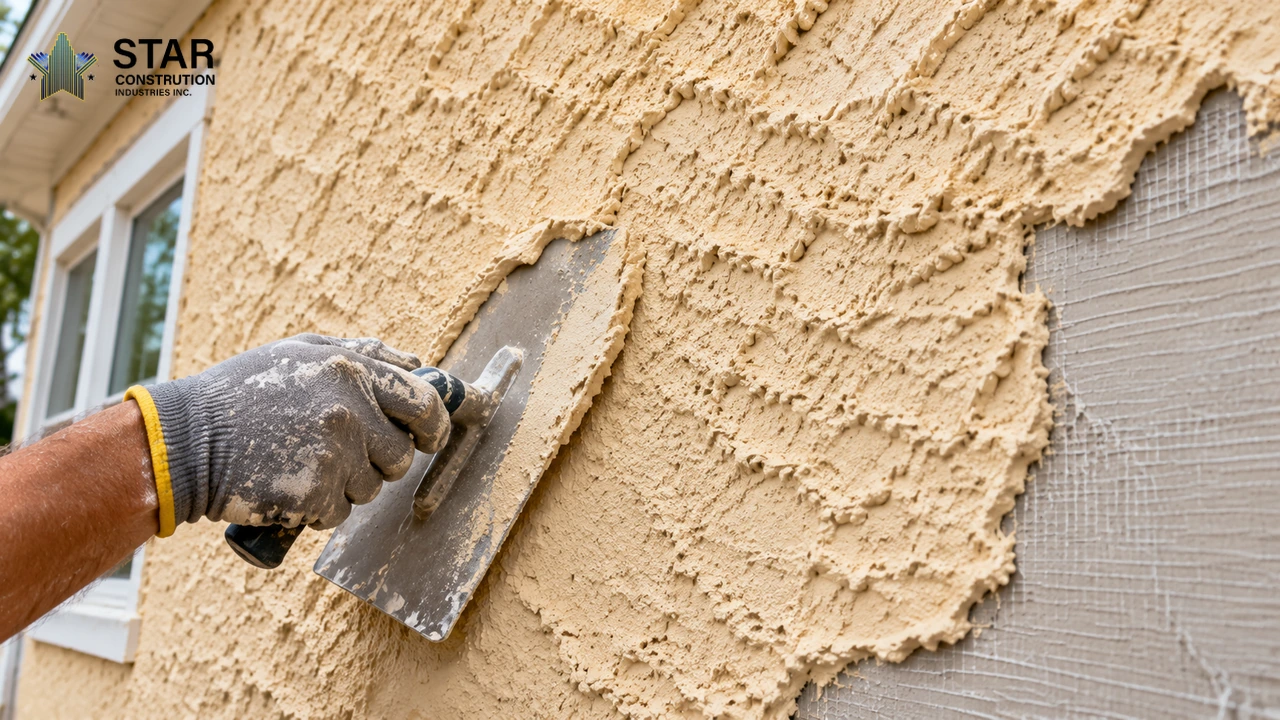
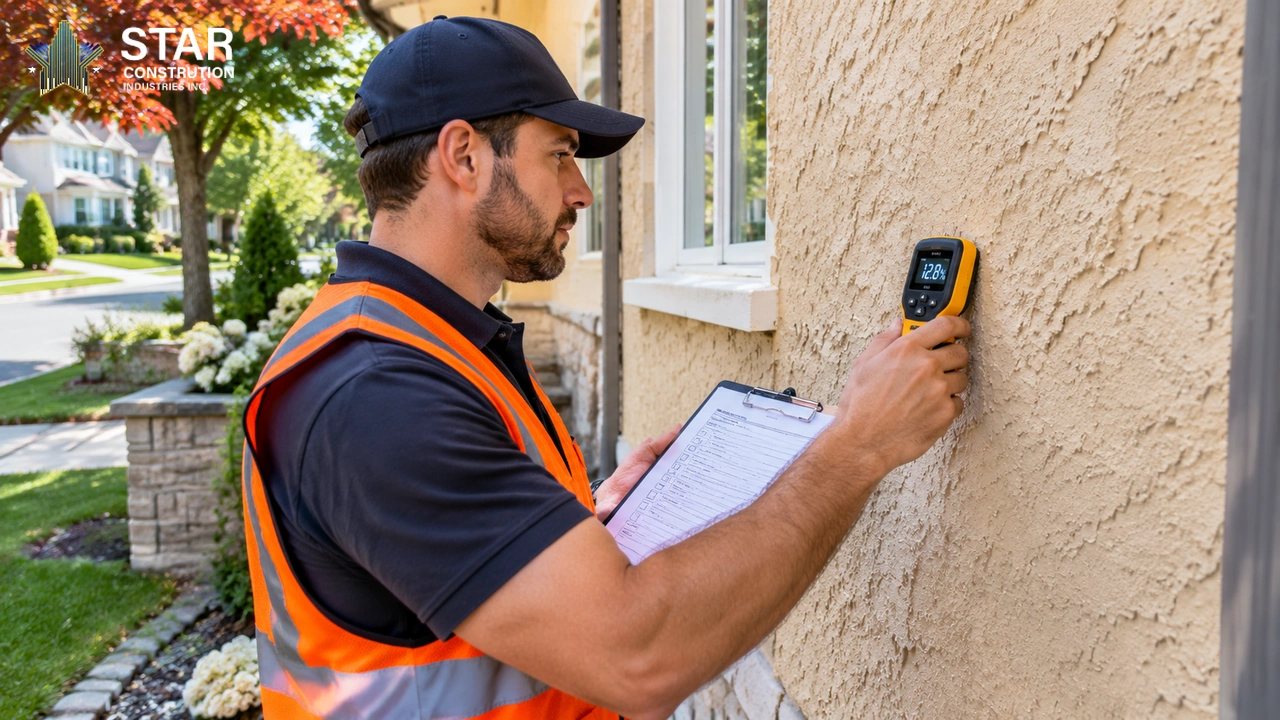
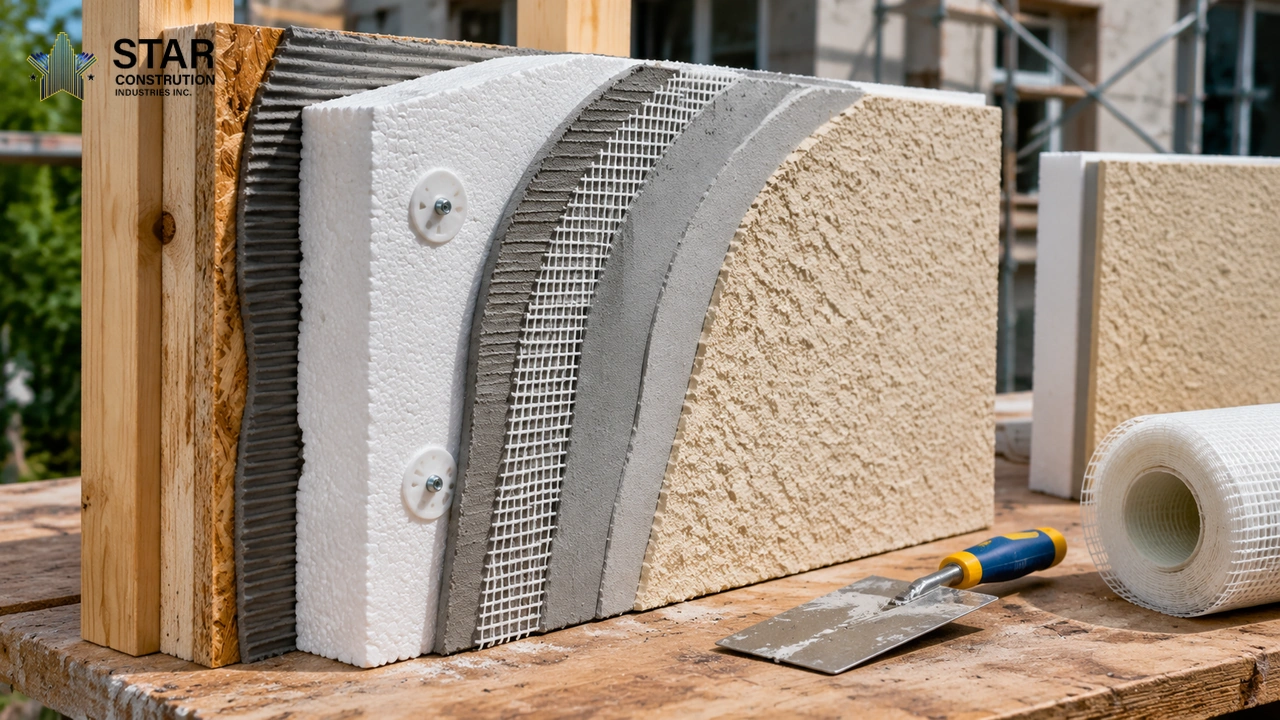
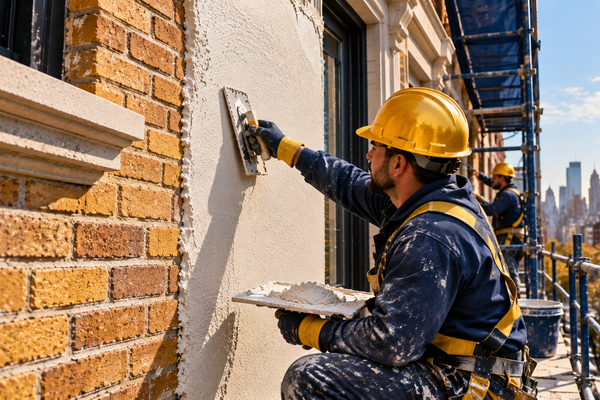
Stucco work follows the same discipline on a different surface. We sound the wall to find hollow, debonded areas, trace cracks back to movement, shrinkage, or water behind the coat, and cut back to sound material before patching. A patch is built up in coats, allowed to cure, and finished to the surrounding texture, rather than smeared over a live crack.
Property owners rely on both systems to keep water out of the structure. When either is neglected, small cracks and failed joints let water in, and water is what turns a minor repair into a major restoration. That is why timely brick crack repair and regular stucco maintenance pay off over the life of a Harlem building.

If you own a brownstone, a pre-war apartment building, or a later infill property in Harlem, and the brickwork or stucco is showing its age, our team can assess it in person. We work with homeowners, co-op boards, and landlords across Harlem, Manhattan, on single walls, full elevations, and the rear and side walls that take the hardest weather.
As brick and stucco contractors in New York, we also serve neighbouring areas — see our work in Bayside, Astoria, Scarsdale, Yonkers, and White Plains, or browse all of our service areas.
Request a free, no-obligation estimate and we will inspect the wall, photograph what we find, and explain the options in plain terms — what needs doing now, what can wait, and what it will take to match the original work.
Our clients value the consistency, structural precision, and long-term performance we deliver on every project, from initial planning through final execution.


 Trustindex verifies that the original source of the review is Google.
 Trustindex verifies that the original source of the review is Google.
 Trustindex verifies that the original source of the review is Google.
 Trustindex verifies that the original source of the review is Google.
Contact us now to discuss your project and receive a no-obligation quote from our experts.
Every project is handled through a defined process that ensures accuracy, efficiency, and long-term structural performance from start to finish.
We begin by reviewing site conditions, understanding project objectives, and identifying structural requirements to establish a clear and practical direction before any work begins.
A detailed execution plan is developed, including material selection, sequencing of work, and coordination of labor to maintain consistency and avoid delays during construction.
Work is carried out using proven installation methods, with attention to structural integrity, proper reinforcement, and adherence to safety and quality standards.
A final walkthrough is conducted to verify workmanship, resolve any outstanding details, and ensure the completed project meets performance expectations and durability standards.
Harlem’s walls reward work that respects the original materials. The four areas below cover the repairs we are asked for most, and the approach we take to each.
Most Harlem repointing starts with lime mortar. The neighbourhood’s pre-war walls were pointed in soft, breathable lime mixes, and the commonest damage we see comes from later, harder Portland-cement patches: the rigid patch does not move with the building, so the softer historic brick beside it cracks and spalls instead. The remedy is to rake out the failed mortar to a sound depth, match the new mix in strength and colour, and finish the joint in the original profile, so the mortar — not the brick — takes the weather.
Where brick itself has failed, we cut out and replace the damaged units with brick that belongs to the era in size, colour, and hardness, and repoint the surrounding joints so the repair reads as part of the wall. For the pointing itself, see our brick pointing and repointing work.
Matching starts before any mortar is mixed. On a brownstone-era building we look at the original mortar’s composition and colour, the brick’s size, colour, and firing, and the joint profile, so the repair does not announce itself. The stone face of a brownstone row house is only the front: the brick behind it, and the brick of the side and rear walls, must be matched just as carefully, because those walls carry the same weather and the same movement.
Stucco is matched the same way — not only its colour under paint, but its texture, so a patch disappears once painted. Where a wall has been patched badly in the past, we remove the mismatched material rather than building over it, so the new work sits in the original plane and ages with the rest of the building. For work on the stone face itself, see our brownstone and historic facade restoration service.
In Harlem, stucco is usually found on rear walls, on later infill buildings, and as patches over masonry, rather than on the principal facade. It cracks for familiar reasons: movement in the building, shrinkage as the coat cures, and water that has got behind the coat and broken its bond. Hairline cracks over movement often need only a careful repair; hollow, debonded areas need to be cut back to sound material and rebuilt, because a coat over a failed bond will fail again.
Texture matching is what makes the repair disappear. We build the patch in coats and finish it to the surrounding texture, so that once painted it reads as one wall, not a series of patches. Where the whole wall has failed, or the texture varies too much to blend, resurfacing may be the honest recommendation — but a sound wall rarely needs it. For dedicated stucco work, see our stucco repair service.
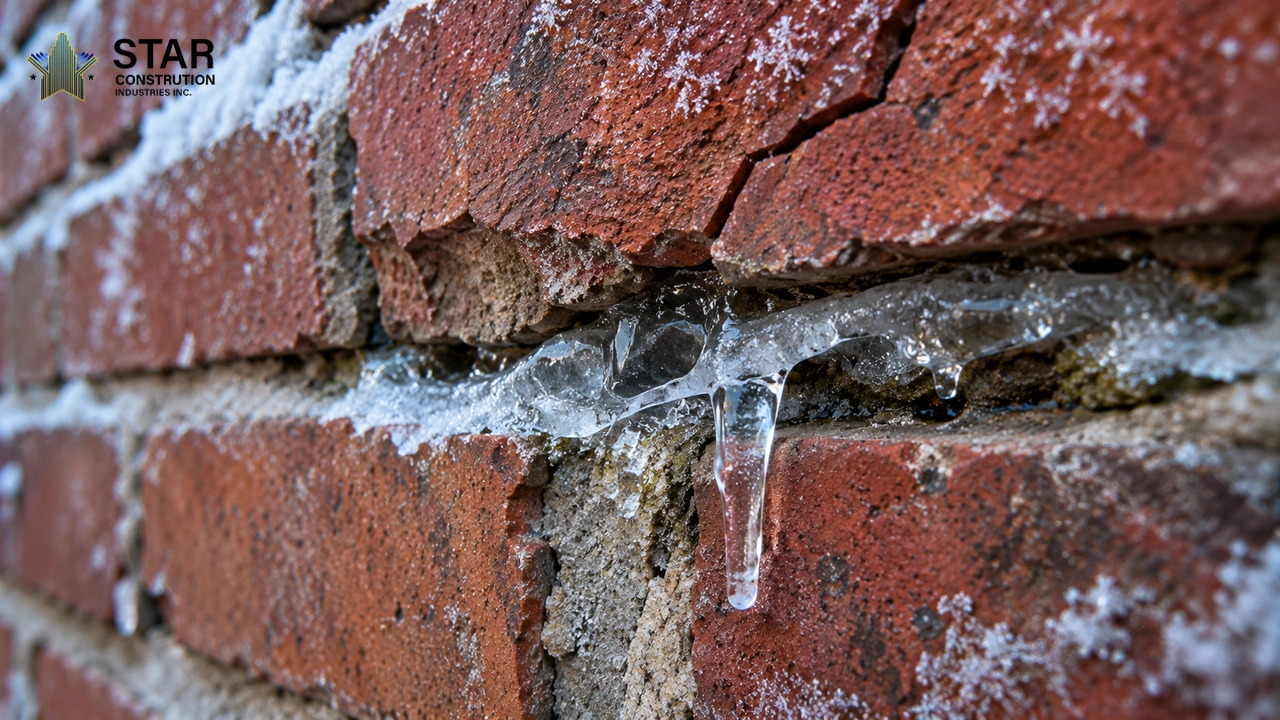
Almost every brick or stucco failure in Harlem has water somewhere in its story. Water enters at failed joints and cracks, at flashing, coping, and parapets, and at lintels and window sills, then travels behind the surface where it cannot be seen — softening brick, rusting steel, debonding stucco, and, in winter, freezing and prying the surface apart. Interior stains and damp patches are often the first sign that the outside wall has already been letting water in for some time.
That is why a repair that only covers the surface rarely lasts. We trace the water to its entry point, repair the joint, crack, or detail that let it in, and only then rebuild the surface, so the new work is not sitting over the same wet problem. Where waterproofing is part of the answer, see our exterior waterproofing for masonry service.
Look for mortar that is crumbling, washed out, or missing from the joints, and for brick faces that are cracking or spalling. Staining, damp patches inside, and joints that have been filled with a hard, grey cement that stands proud of the brick are also warning signs. If you can scrape mortar out of a joint with a key, or if joints are open enough to let water in, an inspection is worth arranging — we will show you which joints have failed and which can be left alone.
Yes, closely — and on a historic Harlem building, closely matters. We match the mortar’s strength first, so the new joints remain softer than the brick and do not damage it, then its colour and joint profile, so the repair blends with the surrounding wall. An exact, invisible match is not always possible, because original mortar has weathered for decades, but a well-matched repointing should read as part of the wall, not as a patchwork of new joints.
The commonest causes are movement in the building, shrinkage as the stucco coat cures, and water that has got behind the coat and broken its bond. Fine hairline cracks often follow movement and can be repaired locally; wider cracks, hollow-sounding areas, or stucco that is bulging or falling away point to water behind the coat or a failed bond, and need the damaged area cut back to sound material before patching. Painting over a live crack without addressing its cause will not hold.
In most cases a patch can be made effectively invisible once painted, provided the damaged area is cut back to sound material, built up in coats, and finished to the surrounding texture. Resurfacing the whole wall is only the honest recommendation when the coat has failed broadly, the texture varies too much to blend, or previous patching has left the wall uneven. We will tell you which applies to your wall after sounding it, rather than assuming resurfacing from the start.
It depends on the scope. A small area of repointing or a single stucco patch can often be completed in a day or two, while a full elevation, extensive brick replacement, or a wall that needs to dry out and cure between coats takes longer — sometimes a week or more, with curing and weather in between. Access also matters: upper-storey work that needs scaffolding takes longer to set up than ground-level work. After an inspection we will give you a realistic programme for your building, including curing time, rather than a single-day promise that the work cannot meet.