Our brick and stucco contractors in Tuckahoe work on walls that were built to last and are now old enough to need judgment rather than enthusiasm. The village’s colonials and Tudors carry brick laid as structure and stucco laid over masonry or lath, and both materials have spent a century in Westchester weather — freeze and thaw, wind-driven rain, and the slow washing of joints grain by grain. We inspect before quoting, wall by wall and elevation by elevation, because the repair a wall needs is rarely visible from the street.
On brick, the discipline is mortar first: brick pointing and repointing done with a lime-rich mix matched to the original, so the joint stays the sacrificial layer and the brick survives. Where units themselves have failed, brick crack repair and replacement swaps the damaged brick for a matched one rather than smearing over the problem. On stucco, the discipline is coats: stucco repair and application rebuilt in its layers — scratch, brown and finish — so the new work keys to the old instead of sitting on it.
Star Construction INC has served Westchester homeowners since 2018, and our brick and stucco contractors in the wider New York area bring that same material-first approach to every Tuckahoe wall.
Brick and stucco work in Tuckahoe begins with identifying what the wall actually is. A colonial’s brick wall is structure: the brick carries the house, and its mortar must stay softer than the units it beds, or freeze and thaw will drive the damage into the brick faces. A stucco wall may be stucco over solid masonry, where the coats bond to a rigid backing, or stucco over wood lath, where the coats hang on a flexible frame and move with it — and the two fail differently, crack differently, and are repaired differently. Getting that identification wrong is how a good-looking repair becomes a short-lived one.
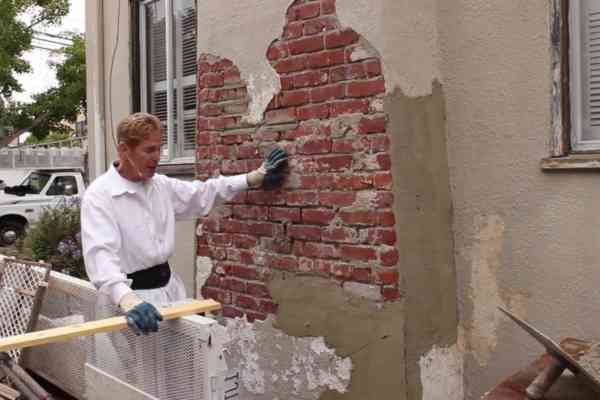
The work itself is patient work. Failed mortar is cut out to sound material and repointed in a matched mix; damaged units are cut out and replaced with brick of matching size, color and absorption; failed stucco is cut back to sound coats and rebuilt layer by layer, with the finish texture matched to the original by hand. None of it is cosmetic in the shallow sense — every step is about keeping water out of the wall while letting the wall breathe the way it was built to.

If your Tuckahoe home’s brickwork is shedding mortar, or the stucco is drummy and cracked where water has gotten behind it, start with an inspection rather than a patch. Star Construction INC reads the walls with you — which joints have failed, which coats have lost their key, and what is surface versus what is structure — and puts the options in writing before any work begins. Request a free, no-obligation estimate, and we will inspect the walls and explain honestly what each one needs. You can see the full range of areas we serve on our service areas page.
Our clients value the consistency, structural precision, and long-term performance we deliver on every project, from initial planning through final execution.


 Trustindex verifies that the original source of the review is Google.
 Trustindex verifies that the original source of the review is Google.
 Trustindex verifies that the original source of the review is Google.
 Trustindex verifies that the original source of the review is Google.
Contact us now to discuss your project and receive a no-obligation quote from our experts.
Every project is handled through a defined process that ensures accuracy, efficiency, and long-term structural performance from start to finish.
We begin by reviewing site conditions, understanding project objectives, and identifying structural requirements to establish a clear and practical direction before any work begins.
A detailed execution plan is developed, including material selection, sequencing of work, and coordination of labor to maintain consistency and avoid delays during construction.
Work is carried out using proven installation methods, with attention to structural integrity, proper reinforcement, and adherence to safety and quality standards.
A final walkthrough is conducted to verify workmanship, resolve any outstanding details, and ensure the completed project meets performance expectations and durability standards.
Tuckahoe homeowners choose a contractor who names the material before naming a price. Brick and stucco are not interchangeable surfaces, and a repair that ignores the difference — hard mortar on soft brick, a cement smear over a stucco wall that needed its coats — spends the wall’s fabric to buy a tidy season. We inspect first, match second and repair third, in that order, and we leave every wall able to breathe and shed water the way it was built to.
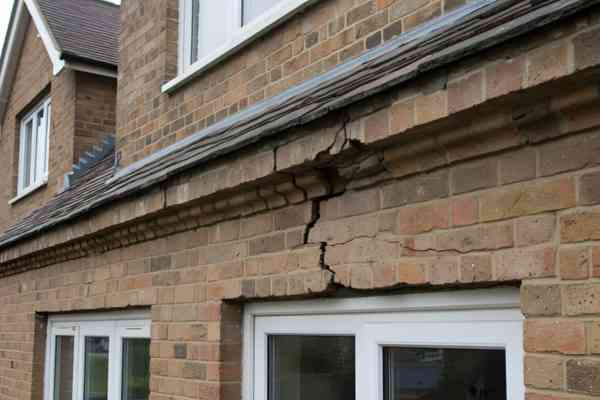
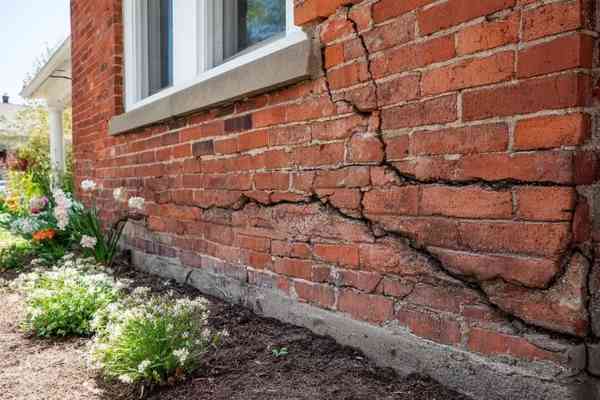
Tuckahoe’s brick walls are structure, not veneer, and they are repaired as structure. The work starts with the mortar: the original lime-rich joints are softer than the brick, and they must be replaced with a mix that stays that way, or the next freeze will drive the damage into the brick faces instead. We match the original in strength, color and sand, cut the failed joints back to sound material, and pack and tool the new mortar to the original profile. Where individual units have spalled or cracked beyond saving, we cut them out and set matched brick in their place — same size, same absorption, same face.
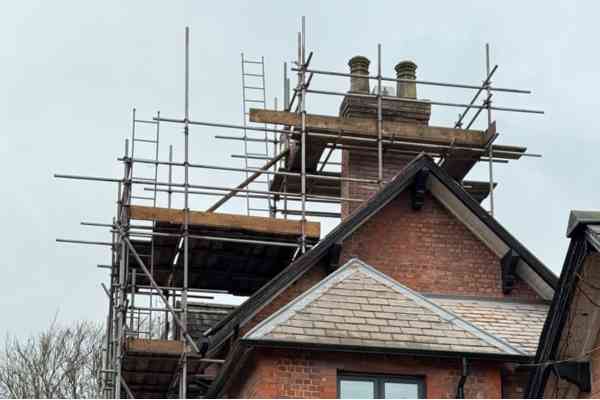
The same care applies to the details that make a Tuckahoe elevation: lintels and sills, soldier courses, the stone that edges so many of the village’s brick fronts. Lintel and shelf angle repair is part of the same discipline — a rusting lintel is a wall problem, not a paint problem, and it is fixed at the steel, not at the surface. Where the masonry shell itself needs attention, our masonry contractors in Tuckahoe handle that side of the work to the same standard.
Stucco over masonry and stucco over lath look alike from the street and behave differently up close. Over masonry, the coats bond to a rigid backing: failures show as bond loss where water has gotten behind the finish, and the repair cuts back to sound material and rebuilds the coats in place. Over wood lath, the coats hang on a frame that moves with the seasons: hairline cracking at stress points is normal, and the repair must respect that movement rather than bridging it with rigid cement. We identify the substrate before we quote, because the wrong diagnosis buys the wrong repair.
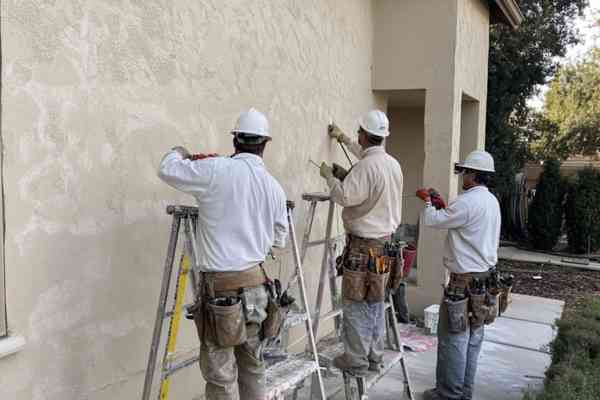
On both substrates, the finish is matched by hand — the texture, the aggregate, the color — so the repair reads as the wall’s own. Stucco skim coating and refinishing has its place where the coats are sound but the finish is tired; where the coats have failed, a skim is a cover, not a cure, and we will say so before you pay for one.
Nearly every failure on this page has the same author: water that found a way in and stayed. On brick, it washes joints grain by grain, then freezes in the beds and widens what it opened. On stucco, it gets behind the finish through a crack or a failed flashing, loosens the bond, and shows as drummy, hollow-sounding coats. On both, it rusts the steel — lintels, ties, flashing — and the rust, expanding, cracks the masonry around it. The repair that ignores the water route is a repair that will be redone.
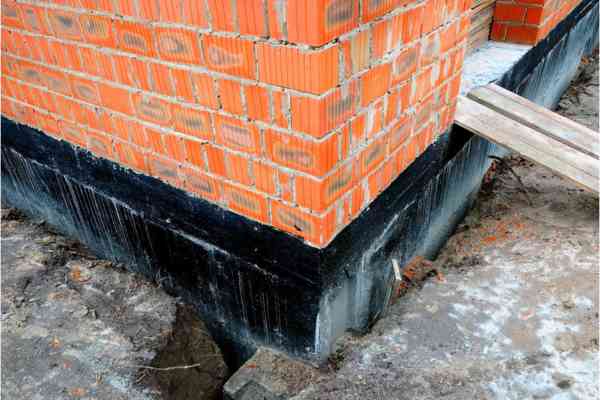
So we trace before we patch: where the flashing failed, where the coping or sill lets water sit, where the grade throws splash-back at the wall. Exterior waterproofing for masonry is part of the same answer — keeping water out of the wall system, not just out of the crack you can see. Fix the route, then fix the wall, and the wall stays fixed.
Not every stucco-looking wall on a Tuckahoe home is traditional stucco. Later additions and some newer homes wear EIFS — a synthetic system of insulation board, base coat and finish coat that looks like stucco but behaves differently: it does not breathe the same way, it is softer under impact, and its failures show at joints and terminations rather than in the coats themselves. Knowing which system you have matters, because traditional stucco repairs do not apply to EIFS and EIFS repairs do not apply to traditional stucco.
The honest comparison is worth reading before you decide anything: our EIFS vs stucco guide explains the two systems in plain terms. If your home has EIFS, we will say so plainly and repair it as EIFS; if it has traditional stucco, we rebuild it in its coats. Either way, the wall gets the system it actually has, not the one it resembles.
It depends on the crack. Hairline cracks at stress points — around windows, at corners, where the wall meets a different material — are often the stucco’s normal movement and are watched rather than rebuilt. Cracks that are wide, growing, or accompanied by bulging, hollow-sounding coats or damp inside are a different matter: they usually mean water has gotten behind the finish and the bond is failing. A mason can tell the difference by sounding the wall and tracing the water route, and we will tell you honestly which kind yours is before recommending anything.
Because the mortar is the wall’s sacrificial layer, and an old Tuckahoe wall was built around that bargain. The original lime-rich joints are softer than the brick, so they flex with the building, breathe out moisture and weather away over decades while the units survive. Hard modern mortar breaks the bargain: it traps moisture in the brick and forces freeze-thaw damage into the faces, which spall. The repair must match the original in strength — softer than the brick — as well as in color and sand, or the repair itself becomes the damage.
Yes, when the match is done properly. Brick is matched on size, color and absorption, so the new units weather with the old ones rather than standing out. Mortar is matched on strength, color and sand, and tooled to the original profile. Stucco is matched on texture and aggregate, applied by hand to the original finish. A repair that is done in the material’s own terms disappears into the wall; a repair done in generic materials announces itself from the street. Costs depend on the area and the condition, and we show you the match before work begins.
Traditional stucco, properly built and maintained, lasts many decades — Tuckahoe’s own century-old stucco homes are the evidence. Its lifespan depends on the details: sound coats, working flashing, paint or finish kept up, and water kept out of the wall system. A stucco wall that is allowed to stay wet will fail in years, not decades, while a dry one keeps its finish for generations. The honest answer for any particular wall comes from inspecting its coats and its water routes, not from a rule of thumb.
Like-for-like repairs — repointing, stucco patching in kind, unit replacement — are usually simpler, while structural changes or work that alters the footprint generally need permits. Tuckahoe projects that touch the public way or change the building’s structure should be confirmed with the village before work starts. We flag what coordination applies to your job before quoting, so the approval step is part of the plan rather than a surprise.