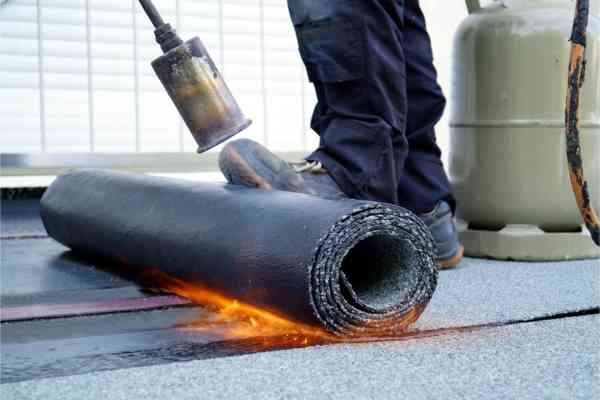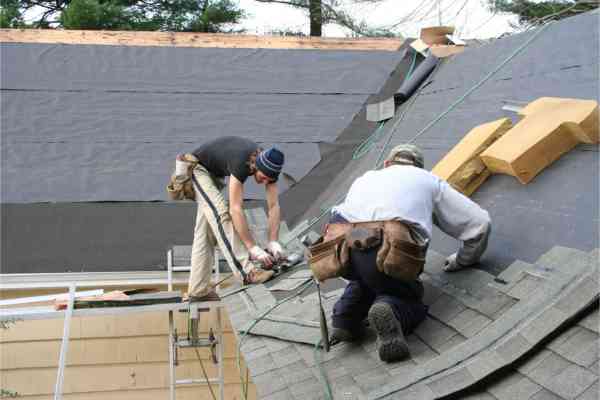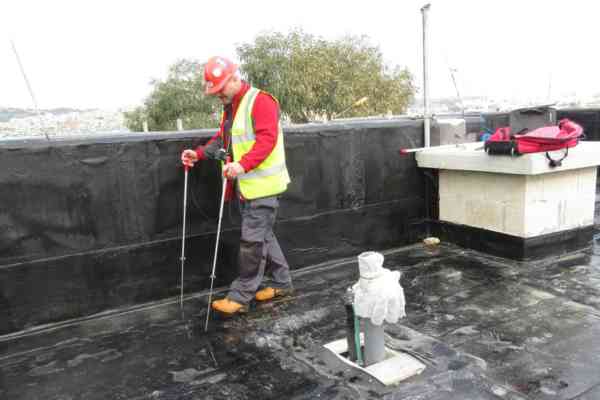

Our roof repair and installation contractors work across the North Side’s two roof stocks. On the pre-war apartment buildings, that means flat roof repair and replacement — seams, ponding and parapet flashing — and on the detached homes and garden apartments, shingle roof repair and replacement, slope by slope.
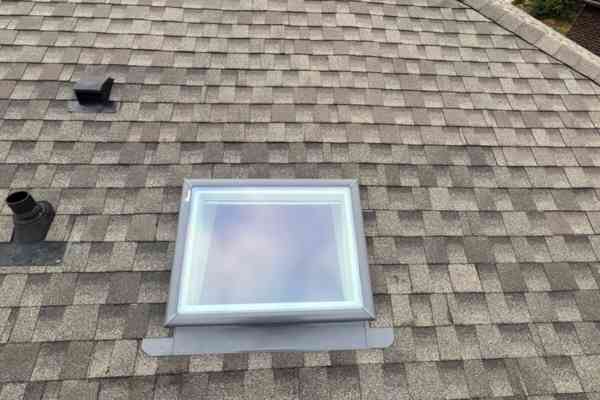
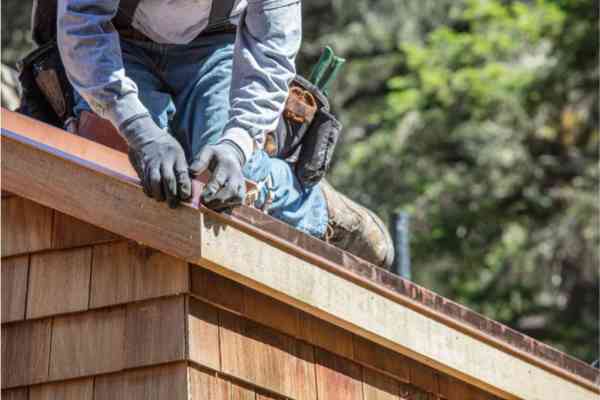
When water gets in, we trace it honestly: roof leak detection follows the stain back to its source, which is often rooms away from where the water entered, and roof flashing repair at chimneys, parapets and dormers closes the details that fail first. Skylight leaks get the same treatment — flashing first, sealant last.
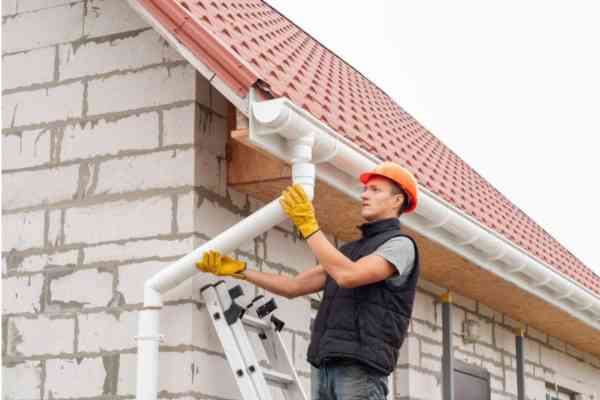
When a roof has reached the end of its service, a new roof installation is priced slope by slope, with gutters and downspouts sized to the roof they drain. And because roof edges meet masonry everywhere in this neighborhood, our masonry contractors in North Side are on hand where a parapet or chimney needs brickwork before the flashing can be trusted. Request a free, no-obligation estimate and we will walk the roof with you.
Professional roof repair and installation is the work of keeping a roof watertight at its details. A roof rarely fails across its whole field at once; it fails where planes meet — at parapets, chimneys, valleys, skylights and dormers — where flashing, membrane and shingle must work together through freeze-thaw, wind and standing water. Repair means finding the true entry point, opening the detail, and rebuilding it in the right materials; installation means a full system — deck, underlayment, flashing and finish — laid so each layer sheds water to the next. On the North Side, that discipline matters twice over, because flat roofs pond and pitched roofs channel, and each punishes a shortcut in its own way.

If you are searching for trusted roof repair contractors near you in the North Side, Star Construction INC has served New York City homeowners since 2018, and our North Side roof work is planned the same way every job is: inspected on the roof, photographed, and explained before anything is quoted. The areas we cover are on our service areas page. Request a free, no-obligation estimate and we will inspect your roof and tell you plainly whether it needs a repair, a detail rebuilt, or a new roof.
Our clients value the consistency, structural precision, and long-term performance we deliver on every project, from initial planning through final execution.


 Trustindex verifies that the original source of the review is Google.
 Trustindex verifies that the original source of the review is Google.
 Trustindex verifies that the original source of the review is Google.
 Trustindex verifies that the original source of the review is Google.
Contact us now to discuss your project and receive a no-obligation quote from our experts.
Every project is handled through a defined process that ensures accuracy, efficiency, and long-term structural performance from start to finish.
We begin by reviewing site conditions, understanding project objectives, and identifying structural requirements to establish a clear and practical direction before any work begins.
A detailed execution plan is developed, including material selection, sequencing of work, and coordination of labor to maintain consistency and avoid delays during construction.
Work is carried out using proven installation methods, with attention to structural integrity, proper reinforcement, and adherence to safety and quality standards.
A final walkthrough is conducted to verify workmanship, resolve any outstanding details, and ensure the completed project meets performance expectations and durability standards.
Reading the Roof — the North Side’s roofing in four parts. The neighborhood roofs in two kinds and fails in four places: the flat roof’s ponding and parapet edge, the shingle roof’s slopes and valleys, the leak that travels before it shows, and the judgment between repair and replacement.
The flat roofs over the North Side’s pre-war apartment buildings live under standing water. After a nor’easter, low spots pond for days, and ponding is what ages a membrane: seams soften, patches lift, and the parapet flashing — the metal and membrane turn at the roof’s edge — takes the weather on two faces at once. Repair starts with drainage: clearing scuppers and drains, re-pitching the worst ponds where the structure allows, and rebuilding parapet flashing so the edge is watertight before the next storm. A flat roof that drains is a flat roof that lasts; one that ponds is a leak waiting for a ceiling to announce it.
The detached brick homes and garden apartments on the Van Cortlandt side carry pitched shingle roofs, and their failures are the familiar ones: shingles lifted by wind, valleys worn by the water they channel, and flashing opened at chimneys and dormers. Shingle repair is judged slope by slope — a south slope baked by sun ages faster than a shaded north slope — and a repair that replaces only the failed slope, matched to the shingles that remain, is often the honest answer where a full replacement would be overselling.
After a nor’easter, the stain on a top-floor ceiling is rarely directly below the leak. Water travels along decks, joists and parapet cores before it finds a place to show itself, sometimes rooms away from where it entered. Leak tracing means working backward from the stain with a hose, a camera and patience: wet the details one at a time — parapet, chimney, skylight, valley — until the entry point declares itself. A repair aimed at the stain is a patch; a repair aimed at the entry point is a fix. Dormer cheeks fail the same way, and our Cape Cod dormer leak guide explains that particular junction in detail.
Not every old roof needs replacing, and not every leaking roof can be saved by repair. The assessment is slope by slope and detail by detail: how much service life the membrane or shingles have left, whether the deck beneath is sound, and whether the failures are isolated details or system-wide. Where a repair buys real years, we say so; where a roof has reached the point that repairs only chase the next leak, we say that too, and price the replacement honestly. Either way, the estimate follows the inspection, never the other way around.
Not necessarily. Ponding alone does not condemn a flat roof — what matters is whether the membrane and seams are still sound and whether drainage can be improved. Clearing blocked drains and scuppers, re-pitching the worst low spots where the structure allows, and rebuilding failed parapet flashing often buys a ponding roof real additional years. Replacement becomes the honest answer when the membrane is worn through across wide areas or the deck beneath has softened.
By working backward from the stain. Water travels along decks and inside parapet cores before it shows itself, so the entry point is often rooms away from the ceiling mark. We wet the suspect details one at a time — parapet flashing, chimney flashing, skylight curbs, valleys — and watch where water appears, so the repair is aimed at the entry point rather than at the stain.
Often, yes. Shingle roofs age slope by slope, and a single failed slope — wind-lifted shingles, a worn valley — can usually be repaired or re-shingled in section, matched to the shingles that remain. A full replacement is the right call when shingles are brittle or granule-bare across most slopes, or when the deck beneath has deteriorated.
Roof replacement generally does need a permit under the general NYC permit picture, while like-for-like repairs usually do not. Co-op and condo buildings add their own approval layer. We confirm the permit picture for your scope before work begins.
Many can. Emergency repairs, flashing work and membrane patching proceed in most weather, but shingle and membrane work needs temperatures that let materials seal rather than stiffen, so deep-winter work is often staged: make the roof weather-tight now, complete the full repair in the first mild spell.