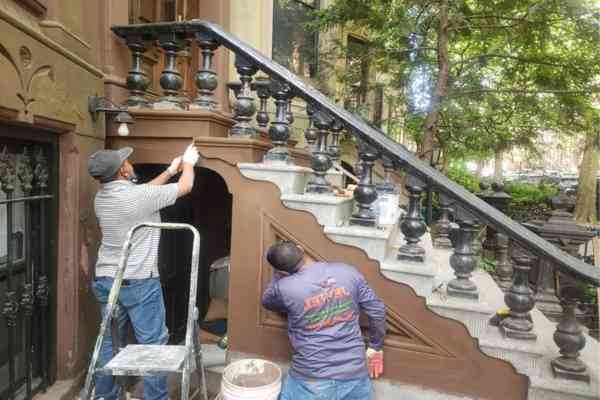
As brick and stucco contractors in New York, Star Construction INC brings the same material-first approach to Queens — from a single-family house’s repointing to a multi-family building’s full stucco resurfacing. Our services include brick pointing and repointing, stucco repair and application, brick crack repair and replacement, stucco skim coating and refinishing and exterior waterproofing for masonry, and every job starts with an inspection of the wall itself, not a quote from the sidewalk.
The materials matter more than the marketing: mortar must be matched to the original in strength and color so the repair stays the wall’s sacrificial layer, and stucco must be rebuilt in its coats rather than smeared over. For wider masonry scopes — chimneys, stoops, retaining walls and full facades — see our masonry contractors in Queens. The areas we cover are listed on our service areas page.
Brick and stucco are the two faces Queens wears most: brick laid as structure on the borough’s houses and multi-family buildings, and stucco — real three-coat stucco over masonry or lath — on the many stucco homes across the borough. Both are masonry systems, and both fail the same slow way: water finds the crack, the joint or the failed flashing, and each winter widens it a fraction until the repair that would have been a day’s work becomes a section rebuilt.
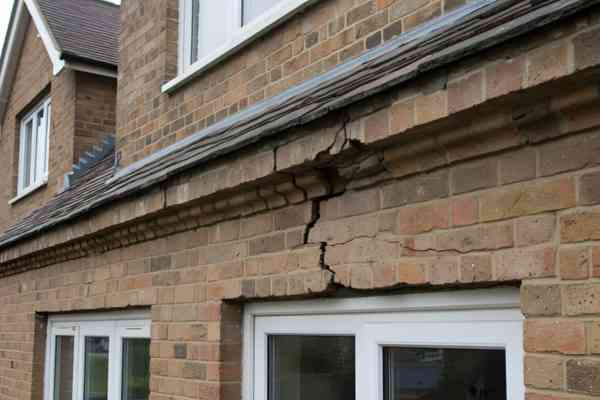
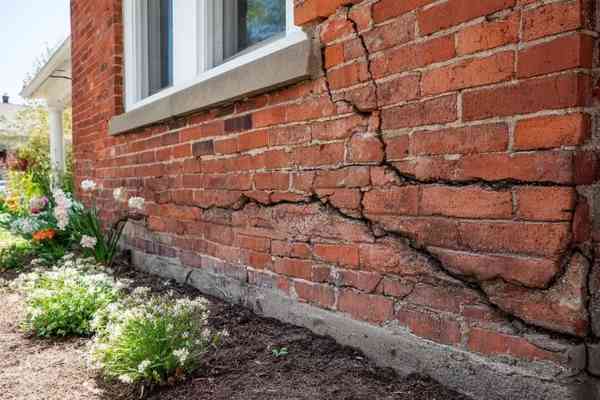
Brick repair means brick crack repair and replacement where units have spalled or broken, and brick pointing and repointing where the joints have washed out. Stucco repair means stucco repair and application for damaged areas and stucco skim coating and refinishing where the finish has aged across a whole elevation. In both cases the first question is the same: where is the water getting in?

When you are looking for brick and stucco contractors in Queens, start with a wall inspection, not a price: the scope depends on mortar condition, brick soundness and whether moisture is trapped behind the finish. Star Construction INC inspects first, photographs what it finds, and explains which repairs are surface and which are structure before quoting. Request a free, no-obligation estimate today, and see the areas we cover on our service areas page.
Our clients value the consistency, structural precision, and long-term performance we deliver on every project, from initial planning through final execution.

 Jav V
Trustindex verifies that the original source of the review is Google.
Got my bathroom remodel Team was professional on time Thank you Ever fernando Perez saldañaCrear Word
 LUIS CAYOi hire them for my home project. and everyting went smoothly. no delays
 Shahid IqbalVery reliable contractor. They did exactly what they promised and the quality was excellent. Would definitely recommend.
Contact us now to discuss your project and receive a no-obligation quote from our experts.
Every project is handled through a defined process that ensures accuracy, efficiency, and long-term structural performance from start to finish.
We begin by reviewing site conditions, understanding project objectives, and identifying structural requirements to establish a clear and practical direction before any work begins.
A detailed execution plan is developed, including material selection, sequencing of work, and coordination of labor to maintain consistency and avoid delays during construction.
Work is carried out using proven installation methods, with attention to structural integrity, proper reinforcement, and adherence to safety and quality standards.
A final walkthrough is conducted to verify workmanship, resolve any outstanding details, and ensure the completed project meets performance expectations and durability standards.
Brick and stucco work in Queens pays for itself in the wall’s own terms: a sound surface that keeps water out, materials that match what is already there, and repairs that last because they were made in the material’s own tradition. These are the benefits that matter most to the borough’s homeowners and building owners.
Queens brickwork fails at the joints first: mortar softens, washes out and recesses, and the wall’s weather seal goes with it. Brick pointing and repointing restores that seal with mortar matched to the original — softer than the brick, so it stays the sacrificial layer — while brick crack repair and replacement handles units that have spalled, cracked or broken. The wrong mortar is worse than no repair at all: hard modern mortar against soft old brick moves the damage into the brick itself.
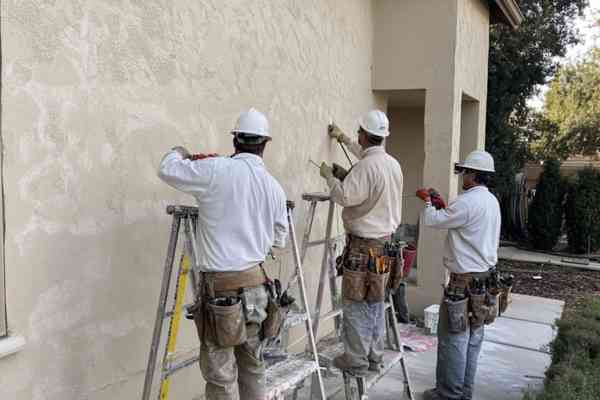
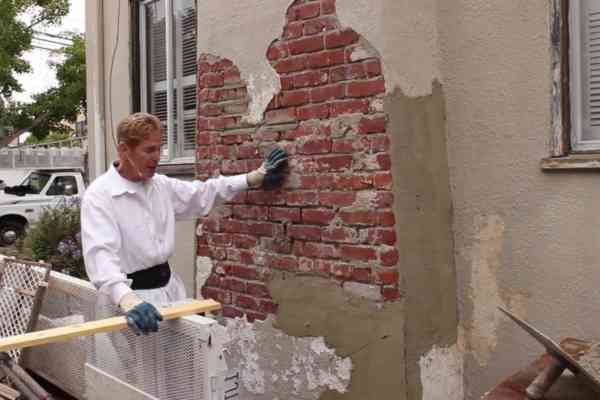
Stucco fails as a surface system: hairline cracks from curing and age, wider cracks where water or movement has worked, and finishes that have simply weathered out. Stucco repair and application rebuilds damaged areas in their coats, and stucco skim coating and refinishing renews a whole elevation’s finish. Our guide to stucco cracks explains which cracks are cosmetic and which deserve a second look.
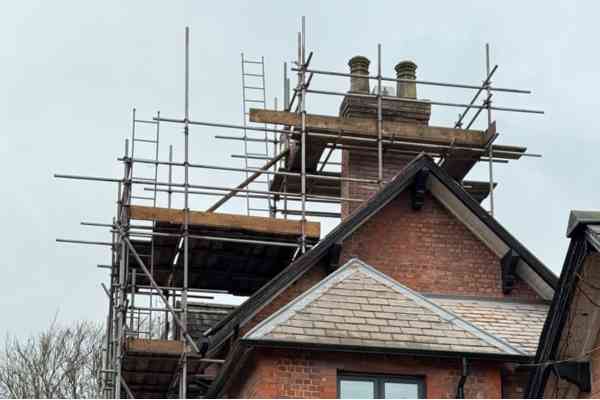
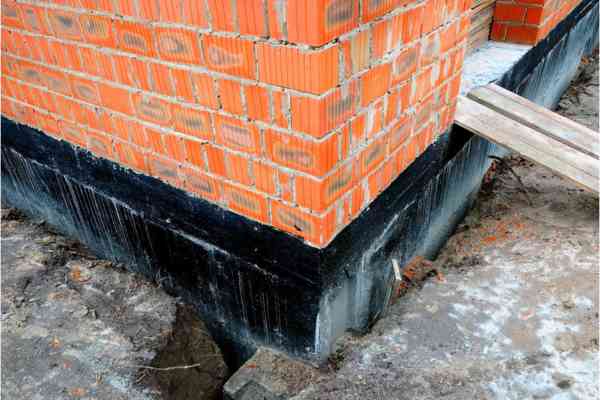
Most brick and stucco failures are water failures wearing a surface disguise: the crack is the symptom, and the entry point is usually a sill, a lintel, a failed flashing or a parapet coping. Exterior waterproofing for masonry closes those paths, lintel and shelf angle repair handles the steel that rust-jacks brickwork apart, and chimney repair and rebuilding covers the stacks where water entry starts at the top. Fix the water first; the surface repair then has something to last on.
Later Queens homes and additions sometimes wear EIFS — synthetic stucco over insulation board — rather than traditional stucco, and the two systems repair differently. EIFS stucco systems work is its own trade: the finish coat, the mesh and the drainage plane all have to be right, or water trapped behind the system does its damage unseen. Our comparison of EIFS vs stucco explains the honest differences, so a homeowner can tell which system their house actually wears before approving a repair.
Look at the joints: mortar recessed well back from the brick face, cracked, crumbling or sandy to the touch, damp appearing indoors after rain, and early stepped cracks at corners all say the joints have stopped sealing the wall. A mason can confirm how deep the failure goes and whether repointing alone will do it or whether units need replacing too.
Yes — matching is most of the craft. Mortar is matched in strength, so it stays softer than the brick and remains the sacrificial layer; in sand and color, so the repair reads as the wall’s own; and in joint profile, so the elevation keeps its original shadow lines. A repair that ignores the match is visible from the street and, if the mortar is too hard, damages the brick it was meant to save.
Hairline cracks are usually curing shrinkage or age crazing and are cosmetic. Wider cracks, stepped or diagonal patterns, cracks that return after patching, and cracks at window and door corners point to water entry or movement and deserve investigation. Bulging or hollow-sounding areas mean the stucco has detached from its substrate. The pattern of the crack says more than its width alone.
Both, depending on the wall. Sound stucco with isolated damage can be patched in its coats and blended into the surrounding finish. Stucco that is widely cracked, detached or water-damaged usually needs the affected area cut out and rebuilt, or a full resurfacing where the finish has aged across the whole elevation. A tap test and a moisture check decide which side of that line a wall is on.
Like-for-like repairs — repointing, patching, resurfacing in kind — usually do not need a permit. Structural work, changes to the building’s footprint or facade alterations generally do, and work on landmarked or regulated facades carries its own requirements. A contractor working in Queens should explain the permit side before work begins.